
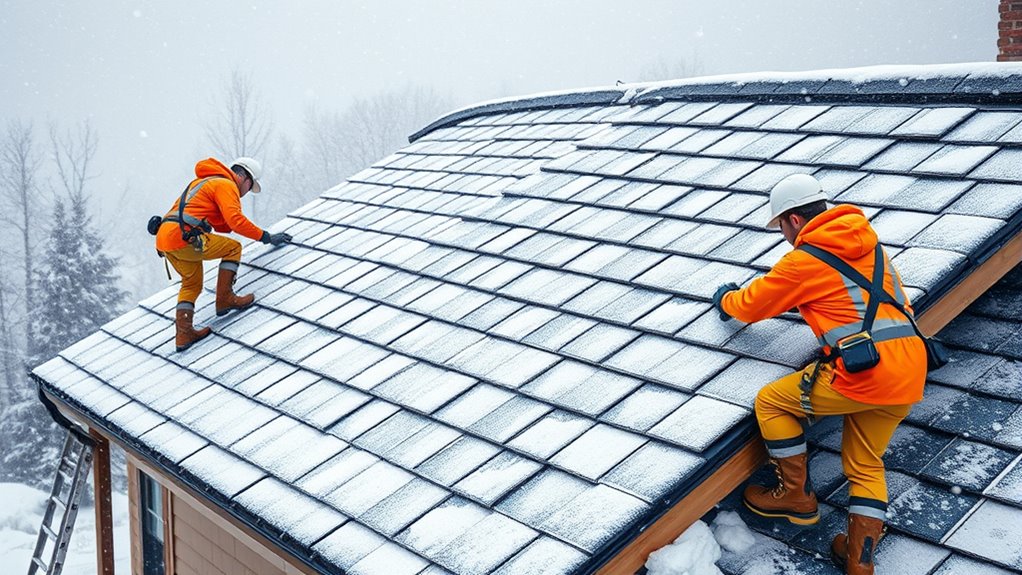
You might find it interesting that many homeowners overlook the benefits of double-layer roofing just as winter approaches. This technique can greatly enhance your home’s defense against heavy snow loads and ice buildup. By understanding the necessary materials and installation methods, you can guarantee your roof withstands harsh conditions. So, what steps should you take to prepare your existing structure for this upgrade?


Understanding the Benefits of Double-Layer Roofing
When considering roofing options, you might find that double-layer roofing offers several significant advantages. One of the primary benefits is enhanced energy efficiency; the additional layer provides better insulation, reducing heating and cooling demands. This can translate into substantial cost savings on your energy bills over time. Furthermore, double-layer roofing materials often have increased durability, which means fewer repairs and replacements in the long run. By opting for this roofing style, you not only protect your home from the elements but also invest wisely in a system that aligns with your desire for freedom and financial prudence.
Assessing Your Current Roof Structure
Before installing double-layer roofing, you need to assess your current roof structure. Start by evaluating the roof material, ensuring it’s compatible with the new layers, and then check the structural integrity for any signs of damage. Finally, analyze the load-bearing capacity to confirm it can support the additional weight without compromising safety.
Roof Material Considerations
As you consider installing double-layer roofing, it’s essential to evaluate your current roof structure, since the integrity and condition of your existing roof will greatly influence the success of this project. Different roof material types play a significant role in weather resistance, impacting durability and performance under snow loads.
| Roof Material Type | Weather Resistance |
|---|---|
| Asphalt Shingles | Moderate |
| Metal Roofing | High |
| Tile Roofing | High |
| Wood Shake | Low |
| Rubber Membrane | Moderate |
Assessing these factors will help you make informed decisions for your roofing project.
Structural Integrity Evaluation
Evaluating the structural integrity of your current roof is essential to ensuring the success of a double-layer roofing installation. Start with a thorough structural analysis to assess the overall condition of your roof. Check for signs of damage, deterioration, or weaknesses that could compromise roof stability under added weight from snow. Inspect trusses, rafters, and sheathing to confirm they can support the additional load. Understanding your roof’s current state will guide necessary reinforcements or repairs. By addressing these factors beforehand, you’ll enhance the longevity and safety of your double-layer roofing system, allowing it to perform effectively in harsh conditions.
Load-Bearing Capacity Analysis
To guarantee your roof can handle the added weight of a double-layer installation, it’s essential to conduct a load-bearing capacity analysis of your current structure. Start by evaluating the load distribution and snow load your roof currently supports. This analysis helps guarantee safety and longevity for your roofing system.
| Component | Current Capacity | Recommended Capacity |
|---|---|---|
| Roof Material | 30 psf | 50 psf |
| Structure Type | Wood | Reinforced Steel |
| Snow Load Factor | 15 psf | 30 psf |
Taking these steps will guarantee your roof stands strong against heavy snow.
Choosing the Right Materials for Double-Layer Roofing
When selecting materials for double-layer roofing, it’s vital to contemplate both durability and insulation properties. Opt for materials with high material durability, like metal or asphalt shingles, which provide superior weather resistance against snow and ice load. Insulation is important, so consider adding a layer of rigid foam to enhance energy efficiency. Additionally, make certain the underlayment is moisture-resistant to prevent leaks. Remember, the right combination of materials will not only protect your home from harsh elements but also give you the freedom to enjoy your space without constant worry. Prioritize quality to maximize the lifespan of your roofing system.
Preparing Your Roof for Installation
After selecting the right materials for your double-layer roofing, preparing your roof for installation is the next important step. Begin by conducting thorough roof maintenance; inspect for damage, clean debris, and guarantee proper drainage. Take weather considerations into account—avoid installation during rain or extreme temperatures, as these can compromise adhesion. Confirm the roof deck is level and dry to provide a stable foundation for your new layers. Finally, gather all necessary tools and safety equipment, allowing for an efficient and secure installation process. Proper preparation not only enhances the durability of your roofing but also assures your peace of mind.
Step-by-Step Guide to Installing the First Layer
Before you start installing the first layer of your double-layer roofing, you need to guarantee your roof surface is clean and properly prepared. Once the surface is ready, you’ll install the underlayment correctly to provide an effective moisture barrier. Finally, securing the first layer with the right fasteners is essential for the stability and longevity of your roofing system.
Preparation of Roof Surface
To guarantee a successful installation of the first layer of double-layer roofing, it’s essential to start with a well-prepared roof surface. Begin with thorough roof cleaning to remove debris, dirt, and any existing materials that could compromise adhesion. Next, conduct a surface inspection to identify any damage or weaknesses in the roofing structure. Look for loose shingles, cracks, or rot, and address these issues before proceeding. Ensuring a clean and structurally sound surface not only enhances the performance of your roofing system but also guarantees your freedom from future leaks and repairs, setting the stage for effective double-layer installation.
Installing Underlayment Properly
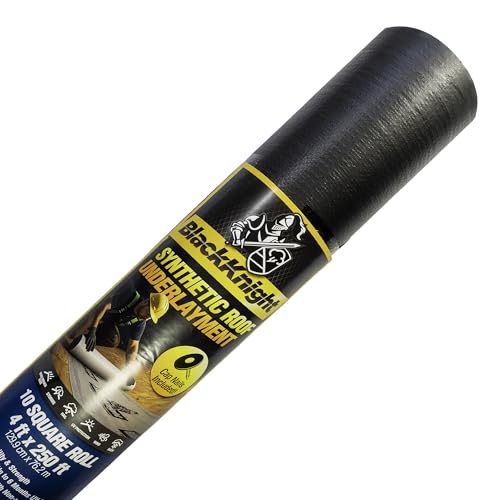
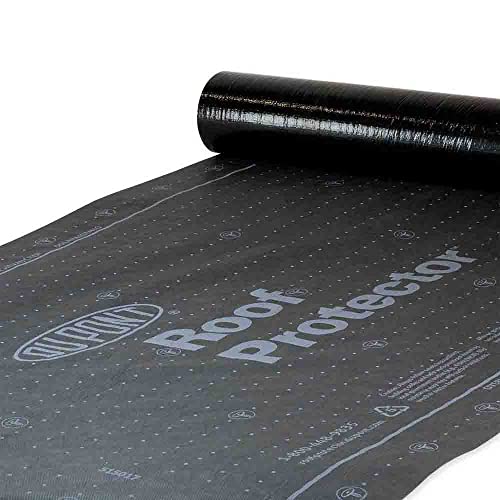
While it’s essential to have a clean and stable roof surface, the next step involves properly installing the underlayment, which serves as a protective barrier beneath the roofing material. Start by choosing the right underlayment types, such as felt or synthetic, based on your climate. Unroll the underlayment across the roof deck, overlapping edges by at least six inches. Secure it with roofing staples or nails, guaranteeing it lays flat to prevent water pooling. Avoid common installation mistakes, like insufficient overlap or improper fastening, as they can undermine the system’s effectiveness. Ascertain you work efficiently to maintain a seamless installation.
Securing First Layer
Begin by laying the first layer of roofing material, making certain it adheres properly to the underlayment. For ideal layer attachment, use a combination of mechanical fasteners and adhesive, adjusting based on material type. Utilize securing methods like screws or nails, spaced evenly to maintain stability against snow loads. Apply adhesive along seams to prevent moisture infiltration. Make certain overlapping edges are staggered to bolster strength and reduce vulnerability. Regularly check alignment and tension to avoid sagging. Once secured, inspect for any gaps or loose areas, addressing them promptly to make sure the integrity of the roofing system for long-lasting protection.
Installing the Second Layer: Techniques and Tips
As you prepare to install the second layer of roofing, it’s crucial to guarantee that the surface is clean and free of debris to promote proper adhesion and longevity. Begin by applying layer installation techniques, ensuring even coverage of the adhesive. Work from the bottom up, overlapping each shingle or panel appropriately to prevent water intrusion. Use a chalk line for straight placements and maintain consistent spacing. Roofing tips include checking for any damage in the first layer that may need repair. Always wear safety gear and be mindful of your balance while working on the roof to guarantee a secure installation.
Ensuring Proper Insulation Between Layers
To guarantee ideal performance in your double-layer roofing, selecting the right insulation material is essential. You’ll need to take into account the thickness of each layer, as this directly impacts thermal efficiency and moisture control. By carefully evaluating these factors, you can enhance the roof’s overall durability and effectiveness.
Insulation Material Options
When selecting insulation materials for double-layer roofing, it’s crucial to evaluate thermal performance and moisture management, since these factors greatly impact energy efficiency and the lifespan of the roof system. Foam insulation is a popular choice due to its excellent thermal resistance and lightweight properties, making it easy to install. Additionally, incorporating reflective barriers can markedly reduce heat absorption, enhancing comfort and reducing energy costs. You might also consider using rigid board insulation for its durability and moisture resistance. By carefully choosing the right materials, you’ll guarantee ideal insulation performance between layers, safeguarding your investment in a double-layer roofing system.
Layer Thickness Considerations
While selecting the appropriate layer thickness for your double-layer roofing system, it’s vital to evaluate both insulation effectiveness and structural integrity. Thicker layers often enhance insulation performance, reducing heat loss and improving overall energy efficiency. However, you must balance this with the structural demands your roof will face, especially under heavy snow loads. Consider materials that offer superior weather resistance to guarantee durability against harsh conditions. A well-planned thickness not only optimizes layer performance but also safeguards your home from potential damage, allowing you to enjoy the freedom of a reliable roofing solution throughout winter’s challenges.
Sealing and Waterproofing Your Double-Layer Roof
Sealing and waterproofing your double-layer roof is essential for ensuring its longevity and effectiveness in protecting your home. To achieve ideal results, utilize proven waterproofing techniques like liquid membranes or sheet membranes that create a robust barrier against moisture. Employ sealing methods, such as caulking joints and applying sealants to penetrations, to prevent water ingress. Regularly inspect seams and edges, ensuring they’re secure and intact. By implementing these strategies, you can maintain a reliable and durable roofing system, allowing you to enjoy the freedom of a safe and dry home, even in the harshest weather conditions.
Maintenance Tips for Snow-Ready Roofing
Proper maintenance not only enhances the waterproofing of your double-layer roof but also prepares it for heavy snowfall. Regularly inspect your roof for debris, as accumulated leaves or branches increase snow load, risking structural damage. Clear gutters to prevent ice dam formation, which can lead to leaks. Check for loose or damaged shingles and replace them promptly to maintain integrity. Confirm ventilation is adequate to minimize moisture buildup, which can weaken roofing materials. Finally, consider regular professional inspections during winter months to confirm your roof can withstand the snow load and to address any potential issues before they escalate.
When to Call in a Professional for Installation
Knowing when to call in a professional for double-layer roofing installation can save you time and prevent costly mistakes. If you lack experience with roofing systems, it’s wise to hire professional services. They can guarantee proper layering, ventilation, and adherence to local building codes. Additionally, if your roof’s structure is compromised or you’re working with complex angles, a professional’s expertise is invaluable. Don’t overlook the potential risks; safety is paramount. When in doubt, assess your skills and project scope—if it feels overwhelming, it’s time to hire a pro for a reliable, efficient installation.
Frequently Asked Questions
How Much Does Double-Layer Roofing Typically Cost?
Double-layer roofing typically costs between $5 to $12 per square foot. Cost factors include material choices like asphalt, metal, or slate, and installation complexity. Evaluating these elements helps you determine the best option for your needs.
Can I Install Double-Layer Roofing in Warmer Climates?
Yes, you can install double-layer roofing in warmer climates. However, consider climate considerations, as it may affect insulation benefits. Proper ventilation and material selection are essential to guarantee peak performance and prevent overheating.
What Tools Do I Need for Installation?
What tools do you need for installation? You’ll require essential roofing tools like a nail gun, ladder, measuring tape, and safety equipment. Having the right installation equipment makes the process smoother and guarantees a durable roof.
How Long Does Double-Layer Roofing Last?
Double-layer roofing typically lasts 20 to 30 years, depending on materials and installation. Its lifetime durability reduces maintenance requirements, but regular inspections are still essential to guarantee peak performance and longevity.
Are There Any Building Codes for Double-Layer Roofing?
Yes, there are building regulations and roofing standards that govern double-layer roofing. You should check local codes to verify compliance, as requirements can vary considerably based on your area’s climate and structural considerations.
