
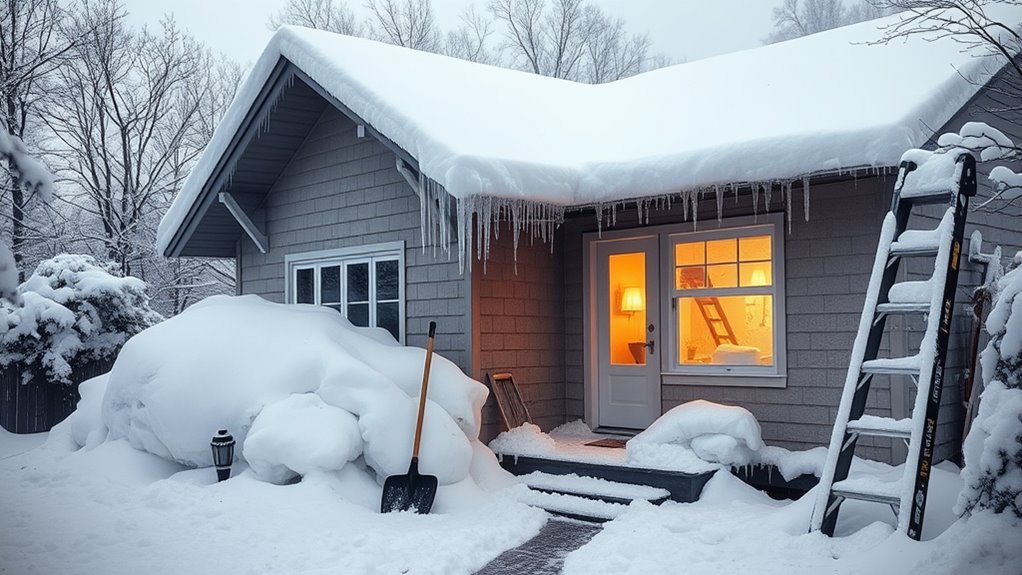
After heavy snowfall, it’s crucial to act quickly to assess any potential damage to your home. You should check for sagging roofs, ice dams, and cracks in your walls or foundation. Documenting these issues can aid in any insurance claims you may need to file. But that’s just the beginning. There are several critical steps you can take to protect your property and guarantee safety as winter continues.



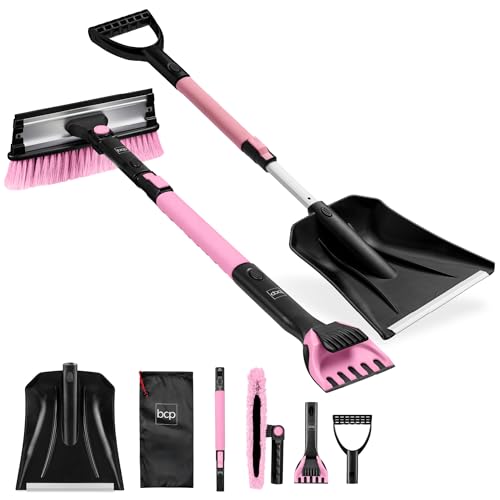
Assessing Damage to Your Home
After a heavy snowfall, it’s vital to assess any damage to your home before moving on to repairs. Start by inspecting your roof, walls, and foundation for signs of structural integrity issues. Look for cracks, sagging, or water leaks that could indicate more significant problems. Document everything with photos, as this can be important for your home insurance claim. Don’t forget to check windows and doors for drafts or damage. If you notice severe issues, consider contacting a professional to evaluate the situation. Addressing these concerns promptly can help maintain your home’s safety and longevity.
Clearing Snow From Roofs Safely
When clearing snow from your roof, it’s essential to choose the right tools to avoid damage and guarantee safety. Before you start, inspect the roof for any potential issues that could worsen with snow removal. Remember, safety should always come first—use a sturdy ladder and wear appropriate gear.
Choose Appropriate Tools
Although it might be tempting to rush into clearing snow from your roof, choosing the right tools is essential for both safety and effectiveness. Start with proper tool selection; a roof rake with a long handle helps you avoid climbing. Look for lightweight, sturdy materials to reduce strain. Avoid metal tools, as they can damage your shingles. Essential equipment like a snow shovel can also help, but be cautious of the roof’s edge. Remember, the right tools not only make the job easier but also protect your roof and prevent injuries. Take your time, and prepare before you start.
Inspect for Damage
Before you start clearing snow from your roof, it’s essential to inspect for any potential damage that may have occurred during the heavy snowfall. Check for signs of sagging or warping, as these could indicate compromised roof integrity. Look at your gutters and downspouts, too; blockages can lead to additional weight on your roof. Confirm that the structural support is sound, as excessive snow can stress weak areas. If you notice cracks or leaks, it’s best to consult a professional before proceeding. Taking these steps helps protect your home and confirms a safe snow removal process.
Safety First Always
While clearing snow from your roof is necessary, safety should always be your top priority. Before you start, make sure you’re wearing proper safety gear, including a hard hat, gloves, and non-slip footwear. Use a roof rake to minimize the risk of falling, and avoid climbing onto the roof unless absolutely needed. If conditions seem dangerous, don’t hesitate to call for professional help. Keep emergency contacts handy—just in case. Remember, your safety is worth more than a little snow. Stay smart, stay safe, and enjoy the freedom of a well-maintained home without unnecessary risks.
Preventing Ice Dams and Water Damage
As heavy snowfall blankets your roof, it is crucial to take steps to prevent ice dams and subsequent water damage. Start by ensuring proper roof insulation; this helps maintain a consistent temperature, preventing snow from melting unevenly. Clear gutters to allow water to flow freely, and consider using a roof rake to remove snow buildup.
| Action | Importance |
|---|---|
| Insulate roof | Reduces heat loss |
| Clear gutters | Prevents ice buildup |
| Remove snow | Lowers water damage risk |
| Check ventilation | Improves airflow |
| Monitor temperature | Averts melting issues |
Stay proactive, and keep your home safe!
Dealing With Frozen Pipes
When temperatures drop, frozen pipes can become a serious issue. First, you’ll need to identify where the pipes are frozen, then you can use various thawing techniques to get the water flowing again. Just remember to take the right precautions to prevent any damage during the process.
Identify Frozen Pipe Locations
Frozen pipes can lead to significant water damage if not addressed promptly. To identify frozen pipe locations, start by checking areas with inadequate pipe insulation, such as basements, crawl spaces, and exterior walls. Look for signs of frost or bulging pipes, and listen for unusual sounds when you turn on faucets. Remember, pipes that are poorly insulated are more at risk during cold weather. Use winterization tips to keep your home safe, like sealing drafts and ensuring heat reaches vulnerable areas. By knowing where to look, you can act quickly and minimize potential damage from frozen pipes.
Thawing Techniques and Precautions
If you suspect your pipes are frozen, it’s crucial to act quickly to prevent further damage. Here are some effective thawing methods and important safety measures to keep in mind:
| Thawing Method | Description | Safety Measure |
|---|---|---|
| Hair Dryer | Use on exposed pipes | Keep dryer away from water |
| Heating Pad | Wrap around affected area | Monitor continuously |
| Space Heater | Place near frozen section | Maintain ventilation |
| Warm Towels | Soak in water, apply to pipes | Avoid direct contact with heat |
| Faucet Running | Let it drip to relieve pressure | Keep an eye on overflow |
Stay vigilant while thawing!
Preparing Your Vehicle for Winter Conditions
As winter approaches, it’s essential to ascertain your vehicle is ready to handle the harsh conditions ahead. Follow these tips for smooth winter driving:
- Winter Tire Maintenance: Confirm your tires have proper tread and pressure for better traction on icy roads.
- Battery Checks: Cold weather can drain your battery. Test it and replace if necessary.
- Fluids: Top off your antifreeze and windshield washer fluid to prevent freezing.
- Wipers: Replace worn wiper blades for clear visibility during snowstorms.
Taking these steps will help you embrace winter with confidence and freedom on the road.
Snow Removal Techniques for Driveways and Walkways
When heavy snowfall hits, clearing your driveway and walkways efficiently is essential for safety and accessibility. Start by using proper shoveling techniques; push the snow rather than lifting it to reduce strain. Work in manageable sections, and always shovel with the wind at your back. If you have a snow blower, make sure it’s in good working order. Use it to clear larger areas quickly, but keep the chute pointed away from you to avoid snow blowback. For both methods, wear sturdy boots and layers to stay warm. Enjoy the freedom of traversing your property safely!
Checking and Maintaining Heating Systems
After clearing your driveway and walkways, it’s time to make certain your heating system is ready to keep your home warm during the cold months. Ensuring heating efficiency and performing system maintenance will save you from unexpected cold spells. Follow these steps:
- Change the air filter to improve airflow.
- Inspect the thermostat for accuracy and proper function.
- Check for leaks around windows and doors to retain heat.
- Schedule a professional inspection to catch any potential issues early.
Stay proactive, and your heating system will work efficiently, keeping your freedom from the chill intact all winter long.
Protecting Your Outdoor Equipment
Protecting your outdoor equipment is essential to guarantee it remains functional and lasts through harsh winter conditions. Start with proper outdoor equipment maintenance; clean off snow and ice to prevent corrosion and damage. Store snow equipment in a dry, sheltered area to avoid rust and wear. If you can, cover your equipment with tarps or protective sheeting to keep moisture at bay. Regularly check for any signs of wear and tear, and address them immediately. Taking these simple steps guarantees your tools and machinery are ready for action when you need them most, preserving your freedom to maintain your outdoor space.
Planning for Future Snowfall Events
While it’s impossible to predict every snowfall, having a solid plan can make a significant difference in how you handle winter weather. Here are some winter preparedness strategies to take into account:
- Stock up on emergency supply kits, including food, water, and first aid.
- Verify your heating system is functioning and have backup heating options ready.
- Keep a snow removal kit handy, complete with shovels, salt, and ice melt.
- Create a communication plan with family and friends for emergencies.
Frequently Asked Questions
How Can I Identify Roof Leaks After Heavy Snowfall?
You don’t need to climb up there; start with a roof inspection from the ground. Look for sagging areas or visible damage. Use a flashlight for leak detection in the attic after snow melts.
What Should I Do if My Gutters Are Clogged With Snow?
If your gutters are clogged with snow, start by carefully removing the snow with a roof rake. Regular gutter maintenance can prevent future clogs, so consider clearing them out to guarantee proper drainage.
When Should I Call a Professional for Snow Damage Repairs?
When snow damage turns your home into a winter wonderland of problems, it’s time to call repair professionals. If you see sagging roofs or cracks, don’t hesitate—getting help can save you from bigger headaches later.
How Can I Prevent Snow From Accumulating on My Porch?
To prevent snow accumulation on your porch, regularly shovel or use a snow blower for snow removal. Consider adding a roof rake for easy porch maintenance and guarantee proper drainage to minimize future buildup.
What Emergency Supplies Should I Keep for Snowstorms?
Think of snowstorm essentials like a lifeline in winter’s harsh grip. Keep blankets, food, water, first-aid kits, flashlights, and batteries handy for winter safety. Being prepared lets you enjoy the freedom of staying cozy indoors.