
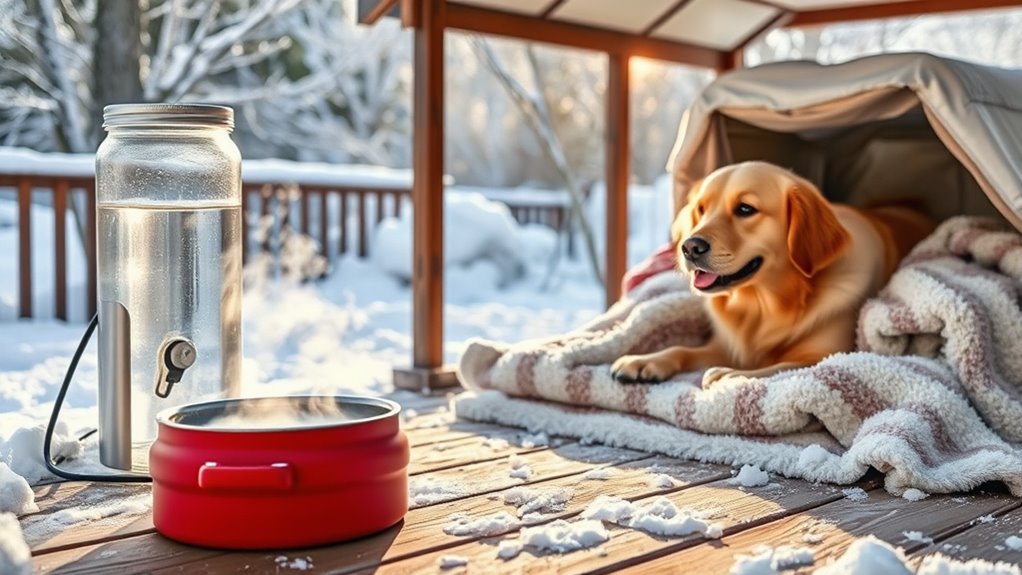
Did you know that pets can lose body heat much faster than humans in cold weather? As winter approaches, it’s crucial to make sure your furry companions have a safe food and water setup to maintain their health and comfort. From choosing the right feeding location to adjusting their diets for seasonal needs, there are several key factors to take into account. Let’s explore how to create an ideal environment for your pets during the chilly months ahead.


Choosing the Right Feeding Location
When it comes to feeding your pets during the winter months, choosing the right location can make all the difference. For indoor feeding, select a warm, quiet area away from drafts. This creates a cozy environment where your pets can enjoy their meals without distractions. If you opt for outdoor feeding, make certain the spot is sheltered from harsh winds and snow accumulation. Keep in mind that pets may need more food during colder months due to higher energy requirements. By thoughtfully choosing between indoor and outdoor feeding locations, you can enhance your pets’ comfort and well-being during winter’s chill.
Keeping Food Fresh and Accessible
Guaranteeing your pet’s food stays fresh and accessible during winter is essential for their health and happiness. Proper food storage and meal timing can make a big difference. Store your pet’s food in airtight containers to protect it from moisture and pests. Regularly check for expiration dates to guarantee freshness.
| Meal Timing | Food Storage |
|---|---|
| Feed them twice a day | Use airtight containers |
| Keep a schedule | Store in a cool, dry place |
| Monitor portion sizes | Check for pests regularly |
| Adjust for activity level | Rotate stock often |
| Don’t forget treats | Dispose of expired food |
Keeping a consistent routine will help your furry friend thrive!
Ensuring Constant Access to Water
As temperatures drop, it’s crucial that your pets have constant access to fresh water, since hydration is essential for their overall health. Here are some hydration tips to guarantee your pets stay hydrated this winter:
- Use insulated water bowls: Water bowl insulation helps keep water from getting too cold and encourages your pets to drink more.
- Check water levels frequently: Make it a habit to refill their water bowls daily to ensure fresh, clean water is always available.
- Monitor for signs of dehydration: Keep an eye on your pets for any signs of thirst or lethargy, and adjust their water access accordingly.
Preventing Water From Freezing
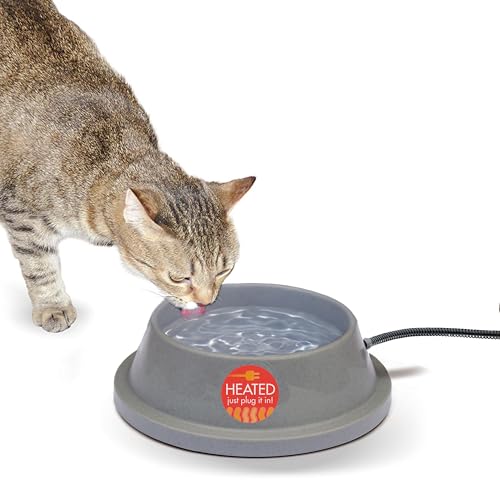
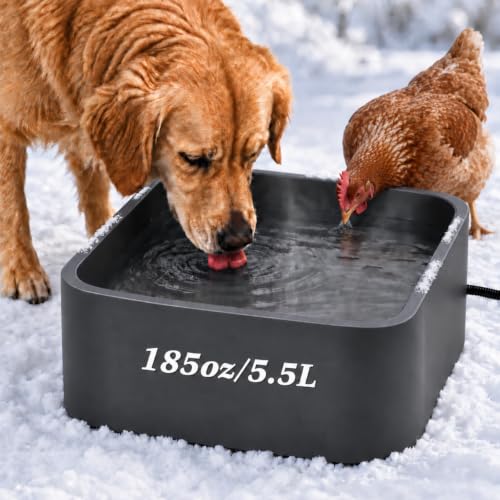
To keep your pets safe and comfortable during winter, it is vital to prevent their water from freezing. Consider investing in water heaters specifically designed for pet bowls; these can keep water at a safe temperature. Another effective option is using insulated bowls, which help retain heat and reduce freezing. Make certain to check the water regularly, as even the best solutions may need monitoring during extreme cold. By taking these steps, you guarantee your pets stay hydrated and healthy, contributing to their overall well-being during the winter months. Your pets deserve warmth and comfort, even in the chill of winter.
Adjusting Diets for Winter Needs
When winter arrives, pets often require adjustments to their diets to meet their changing energy needs. To guarantee your furry friend maintains a healthy caloric intake and nutritional balance, consider the following:
- Increase Food Quantity: Add a bit more to their meals to provide extra energy for warmth.
- Choose High-Quality Proteins: Opt for food rich in proteins and fats to help them stay energized.
- Monitor Weight: Keep an eye on their weight to guarantee they aren’t gaining or losing too much.
These adjustments can help keep your pet comfortable and healthy during the colder months.
Frequently Asked Questions
Can Pets Eat Snow for Hydration?
No, pets can’t rely on snow for hydration. While snow consumption might seem tempting, it poses hydration concerns since it can lead to dehydration and isn’t a substitute for fresh, clean water. Always provide water!
How Do I Know if My Pet Is Too Cold?
If your pet’s temperature drops below 100°F, watch for cold symptoms like shivering, lethargy, or seeking warmth. It’s essential to monitor their behavior and provide a cozy space to guarantee their comfort and safety.
Are There Winter-Safe Outdoor Feeding Options?
Yes, winter-safe outdoor feeding options include heated feeders to keep food warm and insulated shelters to protect your pet from the cold. These solutions guarantee your furry friend stays comfortable while enjoying their meals outdoors.
What Signs Indicate My Pet Is Not Eating Enough?
If your pet’s acting like a mysterious shadow, hiding away, or losing weight faster than a magician’s rabbit, it’s time to pay attention. Unusual behavior and weight loss are vital signs they’re not eating enough.
How Can I Keep My Pet’s Bowls Clean in Winter?
To keep your pet’s bowls clean during winter, regularly wash them with warm, soapy water. Check for ice buildup and guarantee fresh water daily. This winter maintenance keeps your pet healthy and happy while enjoying their meals.