

You might think that using heaters in gazebos is always a recipe for disaster, but that’s not the whole story. While there are risks involved, advancements in technology and safety features can make heating your outdoor space both comfortable and secure. Understanding the types of heaters available and how to use them safely is essential. What should you know to guarantee a warm and enjoyable experience without compromising safety?



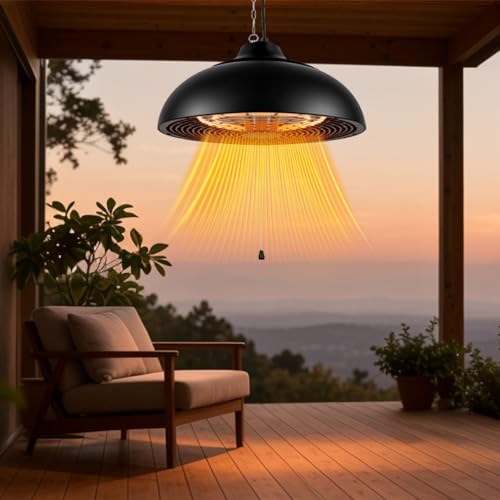
Understanding the Risks of Heating Your Gazebo
While heating your gazebo can create a cozy outdoor space, it’s crucial to understand the potential risks involved. Various heat sources, such as propane heaters or electric ones, can pose hazards if not used correctly. You need to take into account the materials used in your gazebo, as some can be flammable. For instance, wood structures may catch fire if exposed to intense heat, while certain fabrics can ignite easily. Additionally, inadequate ventilation can lead to carbon monoxide buildup, especially with gas heaters. Always verify your heat source is appropriate for your gazebo’s materials and follow manufacturer guidelines. By understanding these risks, you can enjoy your outdoor retreat safely and comfortably.
Types of Heaters Suitable for Gazebos
When choosing a heater for your gazebo, you have several options that cater to different needs and preferences. Here are some types of heaters you might consider:
When selecting a gazebo heater, explore various options to find the perfect match for your comfort needs.
- Electric Patio Heaters: These are versatile and easy to use, providing instant warmth without the hassle of gas.
- Infrared Heating Options: These heaters warm objects directly, creating a cozy environment without heating the air, which can be perfect for open spaces.
- Propane Heaters: Offering significant heat output, these are ideal for larger gazebos but require proper ventilation.
- Wood-Burning Stoves: For a rustic feel, these provide excellent warmth, although they need chimney installation and regular maintenance.
Choosing the right heater can enhance your gazebo experience, making it a comfortable retreat year-round.
Safety Features to Look for in Heaters
As you consider heaters for your gazebo, it’s essential to prioritize safety features that guarantee a worry-free experience. Look for heaters with recognized safety certifications, ensuring they’ve passed rigorous testing standards. This gives you peace of mind that you’re using a reliable product. Additionally, pay attention to the heater materials; durable and heat-resistant materials help prevent accidents. Features like tip-over protection and automatic shut-off are also vital, as they can considerably reduce the risk of fire hazards. A heater with adjustable temperature settings allows you to control the heat output, further enhancing safety. By focusing on these safety features, you can enjoy your gazebo while staying warm and secure.
Proper Ventilation: Key to Safe Heating
Even with advanced safety features in heaters, proper ventilation is essential for safe heating in your gazebo. Ensuring adequate air circulation helps prevent the buildup of harmful gases and maintains a comfortable environment. Here are some key points to contemplate:
- Install ventilation systems to promote fresh air exchange.
- Position your heater away from any walls or obstructive elements.
- Open windows or doors periodically to enhance airflow.
- Monitor carbon monoxide levels with an alarm for added safety.
Tips for Using Electric Heaters in Outdoor Spaces
While enjoying your gazebo during cooler months, using electric heaters can provide a cozy atmosphere without the risks associated with traditional heating methods. To guarantee safe outdoor heating, follow these safety guidelines:
| Tip | Description |
|---|---|
| Choose the Right Heater | Use heaters designed for outdoor use. |
| Keep Distance | Maintain a safe distance from flammable materials. |
| Check Cords | Regularly inspect cords for damage to prevent hazards. |
| Turn Off When Unattended | Never leave heaters running when you’re not present. |
Exploring Propane and Natural Gas Heaters
When it comes to heating your gazebo, propane and natural gas heaters offer efficient and powerful options. Each fuel type brings unique advantages that can enhance your outdoor experience. Here’s what you should consider:
- Propane efficiency: Heaters powered by propane provide rapid heat, making them ideal for quick warmth on chilly evenings.
- Natural gas benefits: With a consistent supply, natural gas heaters can operate continuously, ensuring your gazebo stays warm.
- Cost-effective: Both options can be economical, depending on your local fuel prices.
- Environmental impact: Natural gas tends to produce fewer emissions compared to other fuels, promoting a cleaner outdoor space.
Choosing the right heater can give you the freedom to enjoy your gazebo year-round, regardless of the weather!
Maintaining Safe Distances: Heater Placement Guidelines
Proper heater placement is essential for safety and efficiency in your gazebo. To guarantee you maintain safe distances, follow these heater spacing guidelines. Always establish safety zones around your heater to prevent accidents.
| Heater Type | Minimum Distance (Feet) | Safety Zone (Square Feet) |
|---|---|---|
| Propane Heater | 3 | 9 |
| Electric Heater | 2 | 4 |
| Infrared Heater | 3 | 9 |
| Natural Gas Heater | 4 | 16 |
Emergency Preparedness: What to Do in Case of a Fire
In case of a fire, it’s essential to have a plan in place. Make sure your fire extinguisher is easily accessible, and know your evacuation routes. Additionally, keep emergency contact information handy so you can act quickly if needed.
Fire Extinguisher Accessibility
Having quick access to a fire extinguisher can be a lifesaver in an emergency situation, especially in settings like gazebos where heat sources are present. To guarantee effective fire safety, consider the following points for proper extinguisher placement:
- Visibility: Place extinguishers in well-lit areas, easily seen by all guests.
- Proximity: Keep extinguishers within 30 feet of any heat source, like heaters or grills.
- Accessibility: Make certain they’re not obstructed by furniture or decorations.
- Maintenance: Regularly check that extinguishers are charged and in good working condition.
Evacuation Routes Planning
When a fire breaks out, knowing the quickest way to evacuate can make all the difference. First, familiarize yourself with all available evacuation routes in your gazebo area. Regularly conduct evacuation drills to guarantee everyone knows the exits and can move swiftly. Clear pathways and avoid clutter to facilitate a smooth exit.
Safety signage is vital; make certain exit signs are clearly visible and illuminated. Place directional signs leading to the nearest exits, so everyone can find their way out quickly, even in a panic. Finally, educate guests on the importance of staying calm and following the designated routes during emergencies. Preparedness not only saves lives but also empowers you to act decisively in the face of danger.
Emergency Contact Information
Establishing a reliable emergency contact list is essential for effective fire preparedness. Knowing who to reach out to during a crisis can make all the difference. Make certain you include the following emergency contacts in your list:
- Local fire department
- Poison control center
- Nearest hospital
- Family and friends who can assist
Regular safety drills will help everyone familiarize themselves with this list. Ascertain that everyone in your household knows how to access it easily, whether it’s on paper or stored on their phones. By preparing ahead of time, you’ll empower yourself and your loved ones to respond quickly and effectively if a fire occurs. Remember, staying informed and prepared is your best defense against emergencies.
Creating a Cozy Atmosphere Without Compromising Safety
Creating a cozy atmosphere in your gazebo can enhance your outdoor experience, but it’s essential to prioritize safety alongside comfort. Start by incorporating cozy lighting, like string lights or lanterns, to create a warm, inviting glow. These options not only set the mood but can also minimize fire hazards compared to traditional heating sources. Pair your lighting with soft furnishings—think plush cushions and blankets—to make your space inviting while ensuring you’re comfortable during cooler evenings. If you decide to use heaters, choose electric or infrared models designed for outdoor use and place them safely away from flammable materials. By balancing ambiance and safety, you can enjoy your gazebo to the fullest without compromising peace of mind.
Frequently Asked Questions
Can I Use a Heater in an Enclosed Gazebo?
Yes, you can use a heater in an enclosed gazebo, but you must take safety precautions. Opt for electric or propane heaters designed for enclosed spaces, ensuring proper ventilation and following manufacturer guidelines for safe operation.
What Are the Signs of an Unsafe Heater?
Signs of an unsafe heater include unusual smells, flickering flames, or excessive heat. Regular heater inspections and following safety guidelines are vital to guarantee proper function and prevent hazards, allowing you to enjoy your space safely.
How Long Can Heaters Safely Operate in a Gazebo?
Heaters can safely operate in a gazebo for several hours, depending on the model. Just remember to follow safety guidelines and keep an eye on heat duration to guarantee a cozy, worry-free atmosphere.
Do Heaters Increase the Risk of Carbon Monoxide Poisoning?
Yes, heaters can increase the risk of carbon monoxide poisoning if not used properly. Always follow safe heating practices and guarantee carbon monoxide detection is in place to protect yourself and your loved ones.
Are There Specific Heaters Recommended for Winter Use?
For winter use, electric patio heaters are great for safety and efficiency. If you prefer propane options, make certain they’re vented properly. Choose models designed for outdoor spaces to guarantee ideal warmth and enjoyment.