
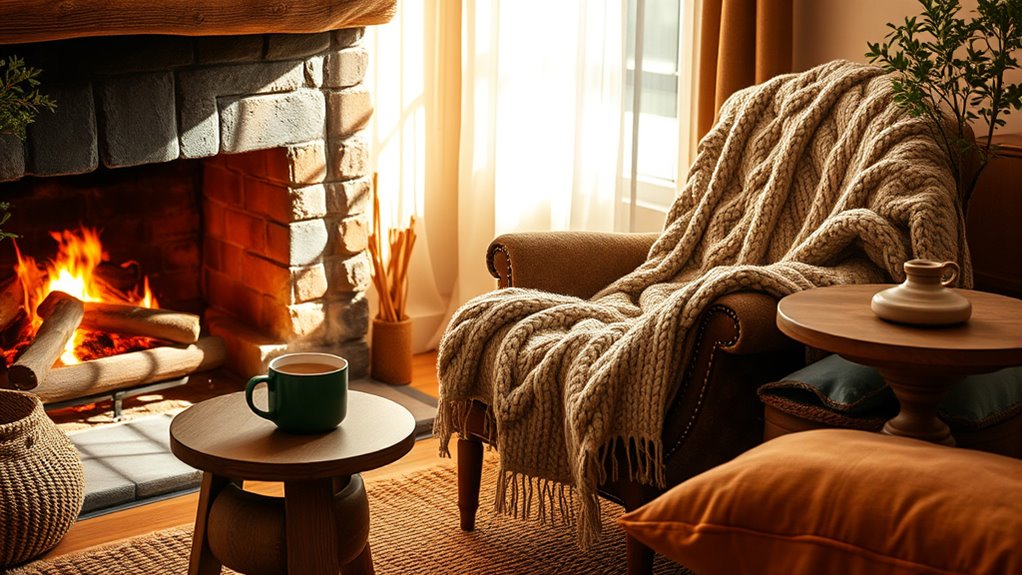
Did you know that heating accounts for about 42% of energy use in an average household? To reduce your reliance on heaters while staying warm, it’s essential to adopt a strategic approach. By layering your clothing effectively and utilizing natural resources, you can create a cozy environment without excessive energy consumption. Let’s explore some practical methods to enhance your comfort and maintain warmth sustainably.
Layer Your Clothing Wisely
When it comes to staying warm, layering your clothing wisely can make a significant difference in how comfortably you endure the cold. To maximize warmth, employ effective layering techniques: start with a moisture-wicking base layer to keep sweat away from your skin. Next, add an insulating layer made from materials like fleece or wool, which trap heat without adding bulk. Finally, finish with a windproof and waterproof outer layer to shield against harsh elements. Your fabric choices are vital; opt for breathable fabrics that allow moisture to escape while retaining warmth. This approach not only enhances comfort but also reduces reliance on heaters, empowering you to maintain control over your environment sustainably. Embrace the freedom that effective layering can provide.
Harness the Power of Natural Sunlight
Although it might seem simple, harnessing the power of natural sunlight can greatly enhance your home’s warmth while reducing your reliance on heaters. By optimizing sunlight angles and adjusting your window treatments, you can create a cozy atmosphere. Here are a few effective strategies:
- Open curtains during sunny days to let warmth in.
- Use reflective materials on windows to maximize sunlight.
- Select window treatments that allow light while minimizing heat loss at night.
- Position furniture to capture direct sunlight for added warmth.
Explore Alternative Heat Sources
Exploring alternative heat sources can greatly reduce your dependence on traditional heating systems while promoting sustainability. One effective option is solar blankets, which harness sunlight to warm your space efficiently. By positioning them in direct sunlight, you can absorb heat during the day and release it at night, making them an eco-friendly choice for your home.
Another alternative is the electric throw. These cozy, energy-efficient blankets provide targeted warmth, allowing you to stay warm without heating the entire room. They’re perfect for personal comfort while being mindful of energy consumption. By integrating these alternatives into your routine, you not only save on heating costs but also embrace a more sustainable lifestyle, giving you the freedom to enjoy warmth without guilt.
Seal Drafts and Insulate Your Space
After integrating alternative heat sources into your home, the next step is to focus on sealing drafts and insulating your space. By addressing drafts, you can greatly reduce heat loss and create a more comfortable environment. Here are some effective strategies:
Addressing drafts and improving insulation is essential for reducing heat loss and enhancing comfort in your home.
- Use draft stoppers for doors and windows to block cold air.
- Apply insulation materials like foam or weather stripping around windows and doors.
- Seal gaps in walls, floors, and ceilings with caulk or spray foam.
- Consider adding insulated curtains to enhance thermal protection.
Taking these actions not only helps you stay warm but also promotes energy efficiency, allowing you to enjoy a cozy home without over-relying on your heating system. Embrace these techniques for a sustainable approach to winter comfort!
Utilize Cozy Accessories and Textiles
As you look for ways to enhance warmth in your home, utilizing cozy accessories and textiles can make a significant difference. Investing in a thoughtful blankets selection and exploring a socks variety not only elevates comfort but also reflects your personal style. Layering textiles can trap heat efficiently, reducing reliance on heaters.
Here’s a quick guide to help you choose:
| Accessory | Purpose | Suggestions |
|---|---|---|
| Blankets | Retain body heat | Wool, fleece, or weighted |
| Socks | Keep feet warm | Wool, thermal, or cozy cotton |
| Throws | Additional warmth | Chunky knit or cashmere |
| Area Rugs | Insulate floors | Thick pile or natural fibers |
| Cushions | Comfort seating | Down-filled or memory foam |
Adopting these elements will create a snug atmosphere while minimizing energy use.
Frequently Asked Questions
How Can I Effectively Maintain Indoor Air Quality While Keeping Warm?
To maintain indoor air quality while keeping warm, monitor indoor humidity levels, use exhaust fans, and guarantee proper air circulation. This balance promotes comfort and prevents mold growth, assuring a healthier living environment.
What Are the Best Plants for Improving Indoor Warmth and Air Quality?
Did you know that air purifying plants can improve indoor air quality by up to 60%? Consider heat retaining plants like snake plants or peace lilies to enhance warmth while promoting a healthier, more sustainable environment.
Can Pets Help Keep My Home Warm During Winter?
Absolutely, pets provide significant warmth and comfort. Their body heat, combined with animal companionship, can create a cozy atmosphere. Embracing their presence not only enhances your winter experience but promotes a sustainable and joyful environment.
What Are Some Budget-Friendly Ways to Insulate Windows?
When it comes to insulating windows, you’ll want to kill two birds with one stone. Try using window films for added insulation and thermal curtains to keep heat in, all while staying budget-friendly and sustainable.
How Often Should I Check My Home’s Insulation for Effectiveness?
You should check your home’s insulation at least once a year, ideally during seasonal checks. Inspect insulation materials for wear, ensuring they effectively retain heat and promote sustainability, giving you more freedom from energy costs.