

When it comes to roof panels during the snow season, the thickness of the material plays a critical role in performance. Thick panels can handle the weight of snow better, minimizing risks like sagging or leaks. However, thin panels might be more cost-effective and easier to install, but they come with their own set of challenges under heavy snow loads. As you weigh these options, consider what factors are most important for your specific situation.



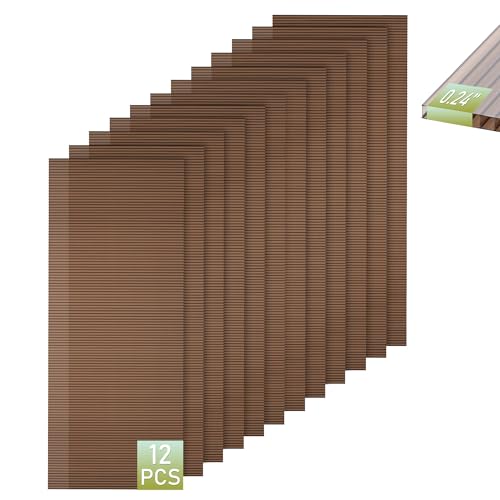
Understanding Roof Panel Thickness
When you’re considering roof panel thickness, it’s vital to understand how it impacts overall performance and durability. Thicker panels typically provide greater strength and insulation, which can be essential depending on the climate considerations you face. For instance, if you’re in an area prone to heavy snowfall, the choice of panel materials and thickness can greatly affect structural integrity. Conversely, in milder climates, thinner panels may suffice, offering freedom in design and cost. Ultimately, understanding these factors enables you to make informed decisions that balance durability with environmental demands, ensuring your roof meets both performance expectations and aesthetic goals.
Advantages of Thick Roof Panels
Thick roof panels offer significant advantages, primarily through their enhanced load-bearing capacity. This increased structural strength allows for greater support, accommodating heavier roofing materials and potential additional loads. Additionally, their improved insulation properties contribute to energy efficiency, reducing heating and cooling costs in your building.
Enhanced Load-Bearing Capacity
One significant advantage of thick roof panels lies in their enhanced load-bearing capacity. These panels excel in load distribution, allowing them to effectively manage the weight of accumulated snow without compromising structural integrity. When you opt for thicker panels, you’re investing in a solution that minimizes the risk of sagging or failure under adverse conditions. Their robustness means they can withstand intense pressure, ensuring safety and durability. This is essential for maintaining the freedom of your space, allowing you to use it year-round without concerns over potential roof collapse. Choosing thick panels is a proactive approach to snow season challenges.
Improved Insulation Properties
While thick roof panels provide superior load-bearing capacity, they also offer considerable advantages in insulation properties. The enhanced thickness allows for the incorporation of high-performance insulation materials, which considerably boosts energy efficiency. With greater thermal mass, thick panels help maintain stable indoor temperatures, reducing reliance on heating systems during snow season. This translates to lower energy bills and a reduced environmental footprint. Additionally, the superior insulation minimizes heat loss, ensuring your space remains comfortable and efficient. Choosing thick roof panels not only supports structural integrity but also optimizes your building’s overall energy performance, granting you the freedom to enjoy a well-insulated environment.
Disadvantages of Thick Roof Panels
Although thick roof panels offer certain advantages, they also come with notable disadvantages that can impact overall project feasibility. Their increased weight can necessitate a more robust structural framework, raising costs. Additionally, thermal expansion can lead to warping, compromising integrity. Moisture retention is another critical issue, as thicker panels may trap humidity, promoting mold growth and deteriorating materials.
| Disadvantages | Impact |
|---|---|
| Increased Weight | More structural support needed |
| Thermal Expansion | Potential warping |
| Moisture Retention | Risk of mold and decay |
| Higher Costs | Increased installation expenses |
| Limited Flexibility | Challenges in design adaptability |
Advantages of Thin Roof Panels
Thin roof panels offer significant advantages, particularly in lightweight construction, which can reduce the overall load on your building’s framework. Additionally, opting for thin panels often results in a more cost-effective material choice, allowing for budget-friendly projects without compromising quality. These factors make thin roof panels an appealing option for various applications.
Lightweight Construction Benefits
When considering the benefits of lightweight construction, it’s clear that opting for thin roof panels can markedly enhance overall building efficiency. Utilizing lightweight materials reduces the overall weight of the structure, allowing for greater design flexibility. This not only optimizes load distribution but also maintains structural integrity, ensuring the building can withstand various environmental stresses. Additionally, thin panels can facilitate faster installation processes, reducing labor time and improving project timelines. Ultimately, choosing thin roof panels empowers you to create innovative designs while minimizing material use, aligning with sustainable construction practices and addressing the demands of modern architecture.
Cost-Effective Material Choice
Choosing thin roof panels can considerably reduce construction costs, making them an attractive option for budget-conscious projects. Their cost efficiency stems from lower material expenses and reduced labor time. Here’s a quick comparison to help you understand the advantages:
| Aspect | Thin Roof Panels |
|---|---|
| Material Cost | Lower |
| Installation Time | Reduced |
| Weight | Lightweight |
| Energy Efficiency | Moderate |
| Long-Term Savings | Significant |
With these budget considerations, thin roof panels enable you to allocate resources more freely, allowing for additional investments in other project areas.
Disadvantages of Thin Roof Panels
Although thin roof panels may offer initial cost savings and lighter weight, they come with significant disadvantages that can affect their long-term viability. You should be aware of the increased risk associated with snow accumulation, which can lead to structural issues. Consider the following drawbacks:
- Limited durability under heavy snow loads
- Higher potential for leaks and water damage
- Increased risk of thermal bridging, reducing insulation efficiency
- Shorter lifespan compared to thicker alternatives
These factors can compromise your roof’s integrity, making it essential to weigh these disadvantages against the benefits before making a decision.
Making the Right Choice for Your Home
How do you determine the best roofing option for your home? Start by evaluating roof panel materials in relation to snow load considerations. Thick panels typically offer superior strength and durability, providing better support against heavy snow accumulation. However, thin panels can be lighter and more cost-effective, though they may require additional reinforcements. Analyze your local climate and potential snow loads; this guarantees you choose a roofing solution that meets safety standards while aligning with your aesthetic preferences. Ultimately, the right choice balances structural integrity and freedom of design, allowing you to protect your home without compromising your vision.
Frequently Asked Questions
How Do Roof Panels Affect Energy Efficiency in Winter?
Roof panels greatly influence energy efficiency in winter. Their insulation effectiveness determines heat retention, directly impacting energy savings. Choosing the right panel thickness can enhance comfort and reduce heating costs, granting you greater control over your energy use.
Can I Install Thick Panels on an Existing Roof?
Yes, you can install thick panels on an existing roof, but structural considerations are essential. Approximately 30% of roofs fail under added weight, so verify installation feasibility with a professional assessment before proceeding.
What Is the Average Lifespan of Roof Panels?
The average lifespan of roof panels varies, typically ranging from 20 to 50 years, depending on material durability. Understanding panel longevity helps you choose the best option for your specific climate and aesthetic preferences.
Do Roof Panels Come With Warranties?
Yes, roof panels often come with warranty coverage, varying by panel materials. While some may last decades, others might offer limited protection, so understanding the specifics guarantees you’re making a well-informed investment for your needs.
How Do I Maintain My Roof Panels During Snow Season?
To maintain your roof panels during snow season, monitor snow load regularly. Guarantee proper panel insulation to prevent ice damming and water damage. Clear accumulated snow promptly to reduce stress on the structure and extend longevity.