
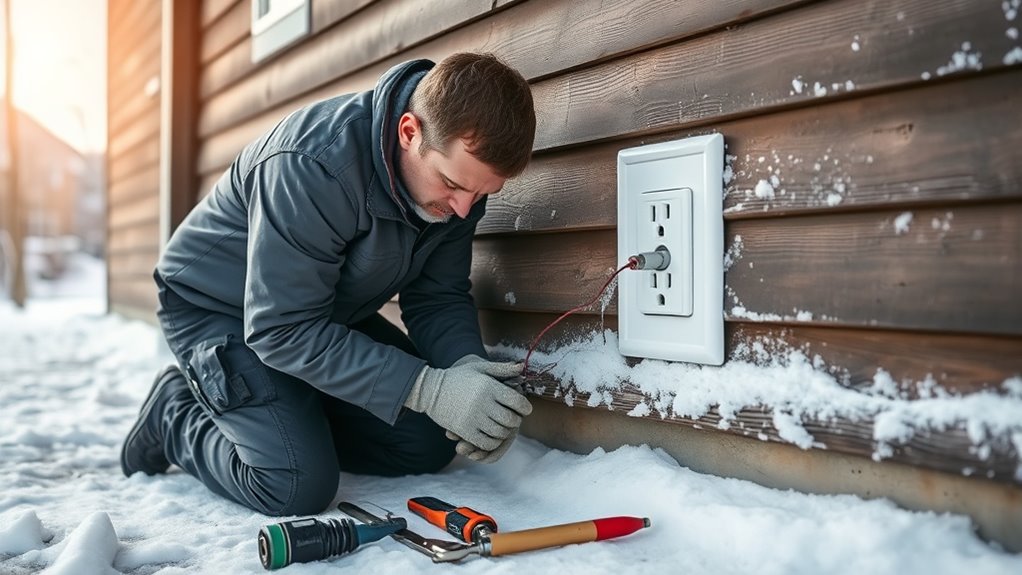
Power outlets during winter are like lifelines, ensuring your heating appliances operate smoothly. However, improper installation can lead to serious hazards. It’s vital to assess your electrical needs and choose the right outlets to withstand the cold. Safety should be your top priority, so understanding the proper steps is important. What you do next can make all the difference in protecting your home and family.


Understanding the Importance of Safe Outlet Installation
When it comes to installing power outlets, understanding the importance of safety can’t be overstated, especially during the winter months. Proper outlet placement is essential to guarantee your electrical devices function safely. Adhering to safety protocols minimizes risks of overloads and short circuits. Consider the proximity of your outlets to moisture-prone areas and make sure they’re GFCI-protected where necessary. Installing outlets at the correct height also prevents accidents, reducing strain on cords and devices. By prioritizing these safety measures, you can enjoy the freedom of using electrical appliances without jeopardizing your home’s safety or your well-being.
Assessing Your Electrical Needs for Winter
Before installing power outlets for winter use, you need to assess your electrical needs carefully. Start by identifying the appliances you’ll be using and calculating their power requirements to guarantee safe operation. Additionally, evaluate the ideal locations for your outlets to maximize accessibility and safety.
Identifying Necessary Appliances
As winter approaches, evaluating your electrical needs becomes essential for guaranteeing safety and efficiency in your home. Identify the appliances you’ll rely on—space heaters, dehumidifiers, or electric blankets—and check their compatibility with existing outlet types. Each appliance has specific voltage and amperage requirements, so understanding these will help you choose appropriate outlets. Ascertain your outlets can handle the load without risking overloads or outages. Consider whether you need GFCI outlets for moisture-prone areas or standard outlets for general use. Prioritizing appliance compatibility with outlet types keeps your winter environment comfortable and secure.
Calculating Power Requirements
Understanding the power requirements of your appliances is essential for maintaining safety and efficiency during winter. Start by calculating wattage; this involves checking each appliance’s label for its wattage rating. Once you have that, add up the total wattage needed. Next, determine amperage by using the formula: Amperage = Watts/Voltage. Knowing both wattage and amperage guarantees your circuits can handle the load without tripping breakers or causing overheating. Always prioritize safety by making sure your outlets and wiring are rated for the total amperage you’ll draw. This approach gives you the freedom to run your appliances without worry this winter.
Evaluating Outlet Locations
When planning for winter use, it’s essential to evaluate the locations of your power outlets to guarantee they can meet your electrical needs safely. Consider your outlet placement in relation to devices you’ll be using, like heaters or holiday lights, to ensure efficient and effective seasonal usage. Identify areas where additional outlets may be required to avoid overloading circuits. Check for proximity to power sources and ensure they’re protected from moisture to minimize hazards. By thoughtfully reviewing these factors, you can enjoy your winter activities with the freedom of knowing your electrical setup is safe and reliable.
Choosing the Right Location for Outdoor Outlets
When choosing the right location for outdoor outlets, consider accessibility and convenience to guarantee you can easily reach them during winter. It’s also essential to factor in weather protection to safeguard the outlets from the elements. Finally, make sure the outlets are close to a reliable power source to minimize extension cord use, reducing potential hazards.
Accessibility and Convenience
Since outdoor outlets are crucial for winter activities like holiday lighting and powering tools, choosing their location carefully is essential for both accessibility and convenience. Consider these factors for ideal outlet placement:
- Proximity to Power Needs: Place outlets close to areas you frequently use for seasonal usage, such as driveways or patios.
- Avoid Obstacles: Make sure outlets aren’t obstructed by furniture or landscaping to facilitate easy access.
- Height Consideration: Install outlets at a comfortable height to minimize bending and reaching, enhancing safety during winter tasks.
These choices will empower you to enjoy outdoor activities without unnecessary hassle.
Weather Protection Considerations
Selecting the right location for outdoor outlets goes beyond just accessibility; it also requires careful attention to weather protection. When installing, consider areas shielded from harsh winter elements, like under eaves or away from direct wind exposure. Make sure the outlets are rated for outdoor use and incorporate weatherproof covers for added safety. Proper outdoor outlet protection is essential to prevent moisture ingress, which can lead to short circuits or electrical hazards. Additionally, plan for winter weatherproofing by positioning outlets higher off the ground to avoid snow accumulation. This proactive approach safeguards your electrical installations and enhances their longevity.
Proximity to Power Source
While evaluating the installation of outdoor outlets, the proximity to a power source is essential for guaranteeing efficiency and safety. The right outlet placement can minimize extension cord use, reducing hazards. Here are three key factors to reflect on:
- Distance: Keep outlets close to the power source to prevent voltage drop and guarantee peak performance.
- Accessibility: Position outlets in easily reachable locations, avoiding hard-to-access areas that may require additional equipment.
- Weather Considerations: Confirm outlets are located where they’re shielded from harsh elements but still functional for winter use.
Prioritize these elements for safe and effective outdoor electrical installations.
Selecting Weather-Resistant Outlets and Covers
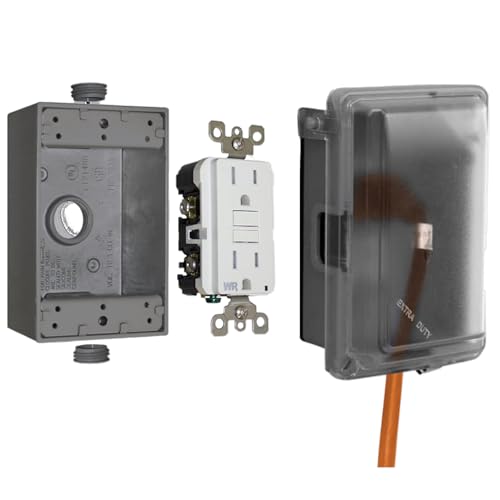
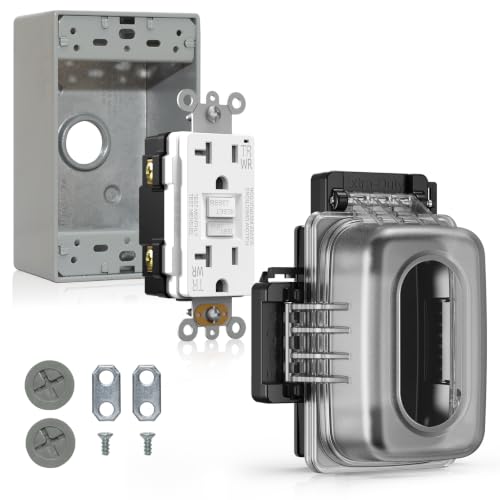
When you’re preparing your home for winter, choosing the right weather-resistant outlets and covers is essential for safety and functionality. Opt for GFCI outlet types to protect against moisture-related hazards. Look for covers that are rated for outdoor use, ensuring they can withstand harsh weather conditions. Follow installation guidelines strictly, including securing outlets in weatherproof enclosures. Make sure the covers are easy to open and close, providing convenience while maintaining protection. By selecting the right materials, you can enjoy the freedom of using outdoor power without compromising safety during the winter months. Prioritize quality for peace of mind.
Gathering Essential Tools and Materials
Before you start installing power outlets, you’ll need to gather the right tools and materials. Make certain you have an extensive checklist that includes all necessary components and safety gear. This preparation is essential to guarantee a safe and efficient installation process.
Required Tools Overview
To guarantee a safe and effective installation of power outlets for winter use, you’ll need a specific set of tools and materials. Here’s what you should gather:
- Voltage Tester: Confirms that the power is off before you work on any outlet types.
- Screwdrivers: Essential for securing outlets and covers using appropriate installation techniques.
- Wire Strippers: Necessary for preparing electrical wires, making connections safer and more reliable.
Having these tools handy will not only streamline your project but will also help you adhere to safety protocols while enjoying the freedom of reliable winter power.
Necessary Materials Checklist
Having the right tools is just the beginning; you’ll also need specific materials to complete your power outlet installation safely for winter use. Start by selecting the appropriate outlet types, such as GFCI or weatherproof models, suitable for outdoor conditions. You’ll require electrical wire, junction boxes, and faceplates that match your chosen outlets. Don’t forget to gather electrical tape and wire connectors for secure connections. Depending on your installation techniques, you might need a circuit breaker or extension cord for temporary setups. Finally, make certain you have a voltage tester to confirm power is off before starting the installation process.
Safety Gear Importance
While installing power outlets for winter use, prioritizing safety gear is essential to protect yourself from potential hazards. Here are three critical items to include in your toolkit:
- Insulated Gloves: These help prevent electric shock while working with wiring.
- Safety Goggles: Protect your eyes from debris and accidental sparks during installation.
- Hard Hat: A hard hat safeguards you against falling objects or accidental bumps.
Following Local Electrical Codes and Regulations
Before you start installing power outlets for winter use, it’s essential to guarantee that you’re following local electrical codes and regulations. Each region has specific local codes that dictate safe installation practices, so familiarize yourself with these requirements. Conduct compliance checks to verify your work meets all standards, minimizing hazards and potential fines. Ignoring these codes can lead to dangerous situations, especially during the winter months when the risk of electrical issues increases. By adhering to the regulations, you protect not only yourself but also your home and family, allowing you to enjoy the season with peace of mind.
Step-by-Step Guide to Installing Power Outlets
Installing power outlets can seem intimidating, but following a clear step-by-step guide simplifies the process and guarantees safety. Start by selecting the appropriate outlet types for your needs, such as standard, GFCI, or USB outlets. Here are essential installation tips:
- Turn off power at the circuit breaker to prevent electric shock.
- Use a voltage tester to verify no live wires are present before proceeding.
- Securely attach the outlet to the electrical box and verify all connections are tight, following the manufacturer’s instructions.
Testing Outlets for Safety and Functionality
Once you’ve installed your power outlets, it’s vital to test them for safety and functionality to confirm they operate correctly and pose no hazards. Start with outlet testing by using a voltage tester to check for proper voltage levels. Next, plug in a device to verify it powers on without flickering or overheating. Don’t forget to perform safety checks by inspecting for any signs of damage, loose connections, or unusual sounds. If you notice any issues, it’s important to address them immediately. Regular testing and safety checks will guarantee your outlets remain reliable and safe for winter use.
Tips for Maintaining Your Outlets During the Winter
As winter approaches, it’s crucial to maintain your power outlets to guarantee they function safely and efficiently throughout the colder months. Here are three essential tips for winter safety and outlet insulation:
- Inspect for Damage: Regularly check your outlets for any signs of wear or moisture, which can lead to electrical hazards.
- Use Weatherproof Covers: Confirm outdoor outlets have weatherproof covers to prevent snow and ice buildup, maintaining insulation.
- Keep Outlets Dry: Avoid using wet hands when plugging or unplugging devices; moisture can increase the risk of shock.
Taking these precautions will help guarantee your outlets are safe and reliable all winter long.
Knowing When to Call a Professional Electrician
Maintaining your outlets is just the beginning of ensuring safety during winter. Knowing when to call a professional electrician is essential to prevent potential hazards. Look for signs of danger such as flickering lights, burning smells, or outlets that feel warm to the touch. If you notice these issues, it’s time to get help.
| Signs of Danger | Action Required |
|---|---|
| Flickering lights | Call an electrician |
| Burning smells | Immediate inspection |
| Warm outlets | Professional assessment |
| Frequent circuit trips | Electrical evaluation |
| Visible damage | Urgent consultation |
Stay safe and informed!
Frequently Asked Questions
Can I Install Outdoor Outlets Myself Without Prior Experience?
You can install outdoor outlets yourself, but it’s essential to prioritize outdoor safety. Start with reliable installation tips, ensuring you understand local codes and best practices. Knowledge empowers your freedom to create functional outdoor spaces safely.
How Do I Know if My Outlets Are Weather-Resistant?
To know if your outlets are weather-resistant, conduct an outlet inspection. Look for safety features like a protective cover, GFCI functionality, and markings indicating they’re suitable for outdoor use. Confirm they meet local electrical codes.
What Tools Are Necessary for Outlet Installation?
You’ll need wire strippers, a screwdriver, a voltage tester, and pliers. Don’t forget safety precautions like gloves and goggles. Having the right equipment guarantees a smooth installation, letting you enjoy your space worry-free.
Are There Specific Electrical Codes for My Area?
Yes, there’re specific electrical codes in your area. Always check local regulations for installation permits to guarantee compliance and safety. Following these guidelines protects you and your property while giving you the freedom to install confidently.
How Often Should I Test My Outdoor Outlets?
You should test your outdoor outlets at least twice a year to guarantee outlet safety. Regular testing frequency helps identify potential issues early, keeping you and your devices safe during unpredictable weather conditions.