
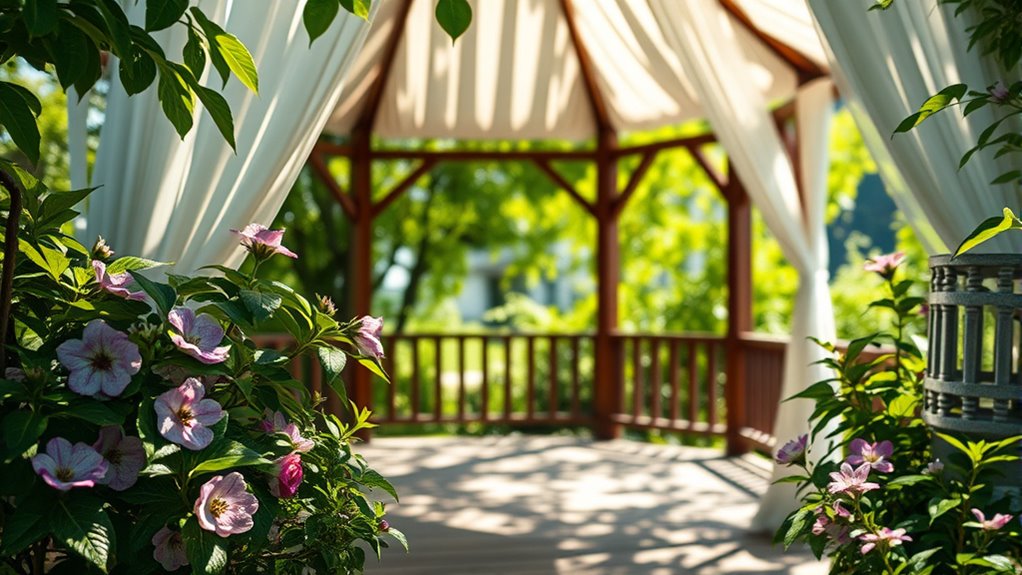
When you explore the indoor-outdoor photography style in a gazebo, you’ll find a unique interplay between structure and nature. This setting offers a versatile canvas, allowing you to frame your subjects creatively while harnessing natural elements. Understanding the nuances of light, composition, and environment can elevate your work considerably. However, the key to truly capturing the essence of this style lies in the subtleties of your approach. What techniques will you employ to maximize your results?



Choosing the Right Time of Day for Gazebo Photography
When’s the best time to capture the charm of a gazebo in photographs? Your time preferences play an essential role in this decision. Early mornings and late afternoons often provide softer light, enhancing the gazebo’s intricate designs. Seasonal variations also affect your visuals; spring blooms or autumn leaves can add depth to your shots. Consider the weather—overcast days might yield rich colors, while sunny moments can create striking contrasts. Ultimately, aligning your shooting schedule with these factors can elevate your photography, allowing you to express your artistic freedom through the lens. Choose wisely, and let nature’s rhythm guide you.
Utilizing Natural Light to Enhance Your Images
To maximize the impact of your indoor-outdoor photography, harnessing natural light is essential. The golden hour offers a unique advantage, providing warm tones and soft shadows that enhance your subjects. Additionally, incorporating reflective surfaces can amplify light, adding depth and dimension to your images.
Golden Hour Advantage
Have you ever wondered why photographers often schedule sessions during the golden hour? This magical time, just after sunrise or before sunset, bathes your images in soft light that can transform ordinary scenes into stunning visuals. The warm hues of the golden hour enhance colors, add depth, and create a flattering glow on subjects. By positioning yourself strategically in the gazebo, you can harness this natural light to achieve breathtaking portraits or landscapes. The subtle gradients and gentle shadows produced during this period not only elevate the mood but also allow for creative freedom in your photography. Embrace the golden hour advantage!
Soft Shadows Technique
Although many photographers focus on capturing vibrant subjects, mastering the soft shadows technique can greatly enhance your images by adding dimension and interest. By strategically positioning your subject under dappled light, you create an engaging interplay of soft focus and shadow play. This technique softens harsh contrasts, allowing subtle details to emerge while maintaining a luminous quality. Experiment with different angles to find the balance between light and shadow, transforming ordinary scenes into visually stunning compositions. Embracing this approach not only enriches your photography but also liberates your creative expression, inviting viewers to explore the depth of your images.
Reflective Surfaces Use
Building on the interplay of light and shadow, incorporating reflective surfaces can elevate your photography by amplifying natural light and creating dynamic compositions. Use surfaces like water, glass, or polished stone to introduce creative reflections that add depth and interest. Position your subject near these surfaces to capture the interplay of light, enhancing textures and colors. Experiment with angles to discover unique perspectives, allowing reflections to frame your subject or create intriguing patterns. By embracing reflective surfaces, you’ll not only enhance the visual narrative of your images but also invite viewers to engage with the scene on a deeper level.
Composing Shots With Gazebo Architecture
How can you effectively capture the elegance of gazebo architecture in your photographs? Focus on gazebo symmetry, which enhances visual balance. Position yourself to highlight the architectural details, like intricate woodwork or ornate railings, using leading lines to draw the viewer’s eye. Experiment with angles; a low perspective can amplify the gazebo’s grandeur. Include negative space to emphasize its form, and don’t shy away from framing it with surrounding elements. Adjust your aperture for depth, ensuring the gazebo stands out while maintaining context. This approach creates compelling compositions that celebrate the freedom and beauty of outdoor architecture.
Incorporating Surrounding Nature Into Your Photos
Incorporating surrounding nature into your photos can elevate your composition considerably. By framing with natural elements and utilizing the available light, you can create a harmonious blend between your subject and the environment. This technique not only enhances visual interest but also guarantees a seamless shift between indoor and outdoor settings.
Framing With Natural Elements
Nature can serve as a powerful tool for framing your photos, adding depth and context that elevate the composition. By utilizing natural framing techniques, you can enhance element integration and create visually stunning images. Consider these approaches:
- Branches and Leaves: Use overhanging foliage to create a natural border, drawing attention to your subject.
- Rocks and Water: Incorporate elements like rocks or ponds to add texture and lead the viewer’s eye.
- Flowers and Vines: Position vibrant flowers or climbing vines to soften the frame, providing a lush contrast.
Embrace these elements for an enchanting indoor-outdoor photography experience.
Utilizing Natural Light
While capturing the essence of your subject, utilizing natural light can dramatically enhance the mood and depth of your photographs. By positioning your subject near natural light sources, like the soft glow filtering through trees, you can create beautiful ambient light effects. Pay attention to the time of day; golden hour provides a warm, flattering hue, while overcast days offer diffused, even lighting. Experiment with shadows and highlights to add dimension, allowing the surrounding nature to play a role in your composition. Embrace the freedom that natural light affords, transforming ordinary scenes into enchanting visual narratives that resonate with authenticity.
Blending Backgrounds Seamlessly
To create a harmonious composition, it’s essential to blend backgrounds seamlessly with your subject, ensuring that the surrounding elements enhance rather than distract. This integration can elevate your photography, especially in nature-rich settings like a gazebo. Here are key techniques to contemplate:
- Blurring edges of your subject can soften shifts, creating a dreamlike quality.
- Contrasting hues in your background can make your subject pop, drawing the viewer’s eye.
- Utilize the natural elements around you, framing your subject with foliage or flowers for added depth.
Mastering these elements allows for a compelling narrative in every shot you take.
Playing With Shadows and Highlights
How can you transform a mundane scene into a striking visual narrative? By playing with shadow patterns and highlight contrasts, you can elevate your indoor-outdoor photography in the gazebo. Position your subject in relation to natural light to create dynamic interplay; shadows can add depth while highlights draw attention. Experiment with angles to capture unique shadow patterns on textured surfaces, enhancing the scene’s complexity. Remember, the contrast between light and dark can evoke emotion, guiding the viewer’s eye. Embrace the freedom of exploration, allowing shadows to dance and highlights to pop, turning ordinary moments into extraordinary visuals.
Styling and Decorating the Gazebo for Unique Shots
Mastering the art of shadow and light in your gazebo photography sets the stage for a deeper exploration of styling and decorating your space. By selecting distinct gazebo themes and integrating various decorative accents, you can create an inviting atmosphere that enhances your shots.
- Choose a color palette that complements nature.
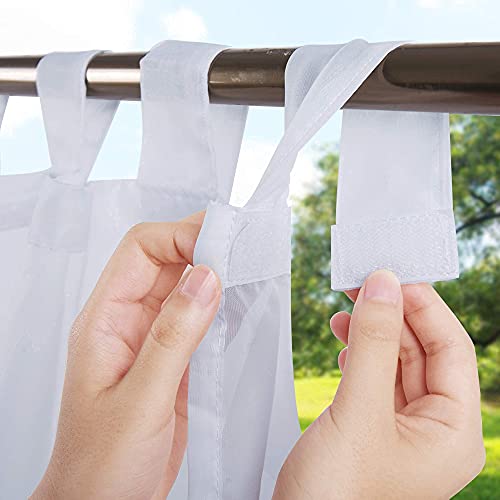
- Incorporate textured fabrics for depth and interest.
- Use plants and flowers to bring life and vibrancy.
This thoughtful styling not only elevates the visual appeal but also reflects your personality, allowing for unique captures that resonate with freedom and creativity. Your gazebo becomes a canvas, ready for artistic expression.
Capturing Candid Moments in a Semi-Closed Space
While you might think capturing candid moments in a semi-closed space like a gazebo could be challenging, it actually offers unique opportunities for authentic storytelling. The cozy environment encourages relaxed poses, leading to genuine candid expressions that reflect true emotions.
| Tips for Candid Photography | Benefits |
|---|---|
| Use natural light | Enhances mood |
| Capture interactions | Tells a story |
| Stay unobtrusive | Promotes authenticity |
Experimenting With Different Angles and Perspectives
Have you ever considered how shifting your perspective can transform a photograph? Angle experimentation and perspective variation open up creative possibilities, allowing for dynamic compositions. Here are three ways to explore:
Shifting your perspective can dramatically enhance your photography, unlocking new creative avenues and dynamic compositions.
- Low Angles: Capture towering structures or subjects, emphasizing their grandeur.
- High Angles: Offer a bird’s-eye view, creating a unique context that can alter a viewer’s perception.
- Diagonal Lines: Use the gazebo’s architecture to guide the eye, adding depth and interest.
Post-Processing Tips for Gazebo Photography
After capturing striking angles and perspectives of a gazebo, enhancing those images through post-processing can elevate your work to the next level. Focus on color grading to bring out the natural beauty of the surroundings. Use exposure adjustments to balance light and shadow, ensuring your gazebo stands out.
| Technique | Purpose |
|---|---|
| Color Grading | Adjust hues & tones |
| Exposure Adjustments | Balance highlight & shadows |
| Contrast Adjustment | Enhance depth & detail |
| Sharpening | Improve image clarity |
These techniques will help you create a stunning visual narrative that resonates with your audience.
Frequently Asked Questions
What Equipment Is Best for Gazebo Photography?
For gazebo photography, a prime lens like a 50mm f/1.8 captures stunning detail. Combine it with soft lighting techniques, like reflectors, to enhance natural light. This setup brings your subjects to life beautifully, evoking emotion.
Can I Shoot in Bad Weather Conditions?
Yes, you can shoot in bad weather by exploring creative solutions. Utilize waterproof gear, adjust your settings for low light, and embrace the unique atmosphere that inclement weather can offer, enhancing your photography’s emotional depth.
How Do I Ensure My Subjects Are Comfortable?
To guarantee your subjects are comfortable, create a welcoming atmosphere like a warm embrace, fostering natural interactions. Communicate openly, adjust settings to their needs, and encourage spontaneity to capture genuine moments. Comfort breeds authenticity.
What Props Work Well for Gazebo Shoots?
For gazebo shoots, consider using props like colorful drapes or fairy lights to enhance backdrop options. Pair them with creative lighting techniques to create depth, ensuring your subjects feel free and comfortable in their surroundings.
How Should I Pose Subjects in the Gazebo?
You’ll want to explore various posing techniques, emphasizing subject positioning within the gazebo. Encourage natural interactions, creating depth and visual interest, while allowing freedom of movement that captures authentic expressions and moments in your composition.
