
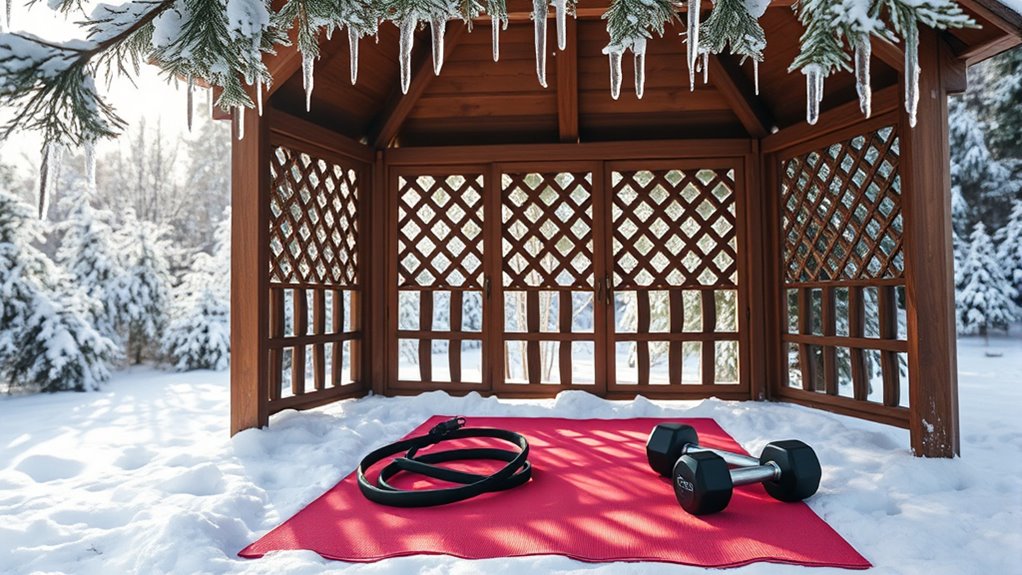
Did you know that winter workouts can boost your metabolism by up to 15%? However, training in a gazebo during colder months comes with its own set of challenges. Ensuring your safety and comfort is vital for a successful session. From evaluating your environment to choosing the right gear, there are several factors to take into account. Let’s explore essential tips that will help you stay fit and injury-free this winter.



Assessing Your Gazebo Environment
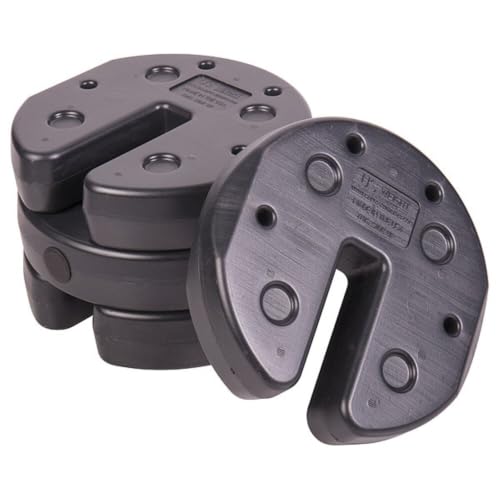
Before you plunge into winter weight training in your gazebo, it’s essential to assess your environment to confirm your safety. Start by checking the gazebo stability; make certain it’s on solid ground and free from any shifting or wobbling. Look for environmental hazards like ice, snow accumulation, or debris that could cause slips or falls. Clear any obstacles around your workout area, maintaining a safe space to move freely. Pay attention to the temperature inside your gazebo; proper ventilation can help prevent cold-related issues while exercising. By taking these precautions, you’ll create a safe and motivating environment where you can pursue your fitness goals without worry. Embrace this freedom to train and thrive in your winter weight training journey!
Choosing Appropriate Gear and Attire
Choosing the right gear and attire is essential for a successful winter weight training session in your gazebo. Start with high-quality gear materials that provide warmth and flexibility, like moisture-wicking fabrics. This keeps sweat away from your body, preventing chills. Layer your clothing effectively; a base layer traps heat, while an insulating layer offers warmth. Finally, a weather-resistant outer layer shields you from the cold and wind. Don’t forget to incorporate accessories like gloves and headbands to protect your extremities, ensuring comfort as you train. With the right clothing layers, you’ll maintain your freedom of movement and focus on your workout. Stay warm, stay motivated, and enjoy your winter sessions to the fullest!
Ensuring Proper Footwear
While layering your clothing is important for staying warm, don’t overlook the significance of proper footwear during winter weight training. Choosing shoes with excellent traction control is essential for preventing slips on icy surfaces, allowing you to focus on your workout without worrying about falls. Look for footwear designed with moisture resistance to keep your feet dry and comfortable, even in damp conditions. This feature not only enhances your performance but also helps prevent blisters and discomfort. Invest in shoes that provide both support and flexibility, ensuring that you can move freely while maintaining stability. Remember, the right footwear can empower you to conquer your winter training goals safely and effectively. Stay confident, stay strong, and enjoy your workouts!
Warm-Up and Cool-Down Routines
Before you start lifting weights in your winter gazebo, warming up is essential to prepare your muscles and prevent injury. A good warm-up increases blood flow and enhances your performance, making your workout more effective. Don’t forget to cool down afterward; it helps your body recover and reduces muscle soreness.
Importance of Warm-Up
Although it might be tempting to jump straight into your weight training routine in the cozy comfort of your winter gazebo, taking the time to warm up is essential for preventing injuries and enhancing performance. Engaging in dynamic stretching helps to increase your blood flow, improve flexibility, and prepare your muscles for the workout ahead. Incorporate exercises like leg swings, arm circles, and torso twists to activate your muscles effectively. This increases your range of motion and reduces the risk of strains. Remember, the goal is to get your body ready, both physically and mentally, for the freedom of movement that weight training offers. Prioritizing a proper warm-up sets the stage for a successful and enjoyable workout experience.
Effective Cool-Down Techniques
After an invigorating weight training session in your winter gazebo, it’s just as important to focus on cooling down as it is to warm up. Incorporating effective cool-down techniques helps your body shift back to a resting state and reduces muscle soreness. Start with gentle stretching techniques, targeting the muscle groups you’ve worked. Hold each stretch for 15-30 seconds to enhance flexibility and promote relaxation. Don’t forget to include breathing exercises; deep, controlled breaths can help lower your heart rate and calm your mind. Visualize releasing tension with each exhale. This time is your opportunity to reconnect with your body, so savor it. By prioritizing your cool-down, you’re setting yourself up for success in your next workout.
Modifying Exercises for Winter Conditions
As the winter chill sets in, it’s essential to adapt your exercise routine to guarantee safety and effectiveness. Consider making exercise modifications that account for the colder weather. For instance, instead of outdoor sprints, try indoor circuit training to maintain intensity while staying warm. If you’re using weights, focus on controlled movements to prevent slips on icy surfaces. Incorporate dynamic stretches to enhance flexibility and reduce the risk of injuries. Remember, your body may need longer to warm up in colder temperatures, so take extra time to ease into your routine. By making these adjustments and prioritizing weather considerations, you can keep your fitness goals intact while enjoying the freedom of winter workouts. Stay safe and energized!
Staying Hydrated and Nourished
While winter workouts can be invigorating, staying hydrated and nourished is essential for your performance and recovery. Implementing effective hydration strategies will keep your energy levels high, even in cold weather. Don’t wait until you feel thirsty; sip water regularly and consider warm herbal teas for an extra boost.
Pair your hydration with nutritious snacks to fuel your body. Here’s a quick reference:
| Hydration Strategy | Nutritious Snack | Benefits |
|---|---|---|
| Drink water before, during, and after your workout | Greek yogurt with berries | Protein-packed, boosts energy |
| Warm herbal tea | Almonds | Healthy fats, aids recovery |
| Electrolyte-rich drink | Whole-grain crackers | Sustained energy |
Stay committed to nourishing your body, and you’ll experience freedom in your winter training!
Listening to Your Body and Knowing When to Stop
Listening to your body is essential for safe and effective winter weight training, especially when the cold can mask signs of fatigue or discomfort. Pay attention to body signals like unusual pain, dizziness, or excessive fatigue. These cues are your body’s way of telling you to slow down or stop. Don’t ignore them, as pushing through can lead to injuries and setbacks. Additionally, mental cues are just as important; if you’re feeling mentally drained or unmotivated, it might be time for a break. Remember, recovery is part of your progress. Embrace the freedom to listen to what your body needs so you can train safely and effectively, ensuring your winter workouts are both enjoyable and productive.
Frequently Asked Questions
Can I Use Heavy Weights in a Gazebo During Winter?
You can use heavy weights in a gazebo during winter, but guarantee gazebo safety first. Check for stability, avoid icy surfaces, and wear appropriate gear. Stay focused, and enjoy your workout without compromising your safety!
What Are the Best Winter Exercises for Beginners?
If you’re starting out, try brisk walking in a park. It’s a great beginner workout that gets your heart pumping. Embrace outdoor fitness this winter, and enjoy the freedom of movement in the fresh air!
How Can I Prevent Slipping on Ice Around My Gazebo?
To prevent slipping on ice around your gazebo, use ice prevention techniques like applying salt or sand. Regular gazebo maintenance tips, such as clearing snow promptly, will also help keep your space safe and enjoyable.
Are There Specific Winter Training Certifications I Should Consider?
You’ll want to explore winter training certifications and outdoor fitness workshops that’ll elevate your skills. They’ll help you conquer the cold, turning icy challenges into opportunities for growth and freedom in winter workouts. Get certified!
Can I Train Alone in My Gazebo During Winter Months?
Yes, you can train alone in your gazebo during winter months. Just verify proper gazebo safety by checking for ice or snow. Embrace the winter workout; it’s a fantastic way to stay motivated and active!