

When testing noise levels inside your gazebo, it’s essential to adopt a systematic approach. By utilizing sound level meters, you can accurately capture fluctuations in decibel levels across various locations and times. Identifying noise sources—like traffic or wildlife—can provide insights into effective reduction strategies. However, the materials and design of your gazebo also play a significant role in sound insulation. Understanding these factors will be key to creating a more tranquil environment.



Understanding Noise Levels and Their Impact on Gazebo Enjoyment
When you think about enjoying a gazebo, noise levels can greatly influence your experience. Your noise perception directly affects how relaxed you feel in this space. High decibel levels can disrupt tranquility, making it difficult to engage in relaxation techniques that promote well-being. For instance, if you’re practicing mindfulness or meditation, external sounds might hinder your ability to concentrate. Conversely, a serene environment allows for deeper relaxation, enabling you to fully appreciate the gazebo’s ambiance. To optimize your enjoyment, consider soundproofing options or strategic placement of the gazebo. This way, you can create a personal retreat that fosters freedom from the stresses of daily life, ultimately enhancing your overall experience.
Common Sources of Noise in Outdoor Settings
In outdoor settings, various sources of noise can disrupt the serene atmosphere of a gazebo. One prominent source is wind noise, which can create a constant rustling sound that drowns out more delicate sounds. During your time in the gazebo, you’ll likely notice fluctuations in wind intensity affecting your overall experience. Additionally, birdsong evaluation is vital, as different species contribute varying levels of melodic sound. While birds can enhance the ambiance, their calls may also compete with other noise sources. It’s essential to reflect on these elements when evaluating noise levels, as they can greatly influence your enjoyment and relaxation. Understanding these common noise sources can help you choose the best location for unwinding in nature.
The Role of Gazebo Materials in Sound Insulation
When considering sound insulation in a gazebo, the density of materials plays an essential role in determining how effectively sound is absorbed or blocked. Additionally, the acoustic properties of fabrics used in the gazebo’s construction can greatly influence noise levels. Finally, structural design considerations, such as the arrangement and thickness of materials, further impact overall sound insulation performance.
Material Density Impact
Although the type of materials used in a gazebo can greatly influence its sound insulation properties, understanding material density is essential for optimizing acoustic performance. When you consider material weight, denser materials often provide better sound insulation by effectively absorbing and blocking sound waves. This is important, as different sound frequencies interact with materials in unique ways; lower frequencies tend to penetrate materials more easily, while higher frequencies can be absorbed more effectively. By selecting materials with appropriate density, you can greatly reduce noise levels within the gazebo. Consequently, it’s critical to balance the structural integrity and aesthetic preferences with the acoustic benefits that these materials offer, ensuring your gazebo provides a serene escape from external disturbances.
Acoustic Properties of Fabrics
Fabrics play an essential role in the acoustic performance of a gazebo, influencing sound insulation and overall comfort. When selecting materials, you’ll want to take into account various acoustic fabric types, as they differ in sound absorption efficiency. For instance, heavier fabrics like velvet or canvas offer better sound dampening compared to lighter materials. You might also explore specialized acoustic panels made from foam or polyester blends, which can greatly reduce noise levels. The placement of these fabrics within the gazebo’s design is imperative; strategically positioning them can enhance their effectiveness. Ultimately, the right combination of acoustic fabric types can create a serene environment, allowing you to enjoy the freedom of outdoor living without the distractions of excessive noise.
Structural Design Considerations
While the choice of materials for a gazebo’s structure greatly impacts its acoustic performance, understanding their properties is vital for effective sound insulation. Materials like wood and composites offer natural sound-dampening qualities, enhancing your gazebo’s tranquility. However, balancing acoustic functionality with aesthetic appeal is essential; an attractive design can improve your outdoor experience without compromising structural integrity. For instance, thicker walls and sound-absorbing panels can greatly reduce noise penetration while maintaining a visually pleasing environment. Additionally, consider using overlapping joints and seals to minimize sound leakage. Ultimately, selecting the right materials and construction methods guarantees your gazebo serves as a serene retreat, allowing you to enjoy nature without intrusive noise, thereby promoting the freedom you desire.
Evaluating Different Gazebo Designs for Noise Reduction
When evaluating gazebo designs for noise reduction, you’ll want to contemplate specific design features that directly impact sound levels. The choice of materials plays a critical role in sound absorption, while the shape and structure can greatly influence acoustic performance. By analyzing these factors, you can identify the most effective gazebo designs for minimizing noise.
Design Features Impacting Noise
As you evaluate different gazebo designs for noise reduction, it’s essential to contemplate how specific design features can substantially impact sound levels within the structure. By understanding these elements, you can create a more serene environment. Here are some key design considerations:
- Wall Height: Taller walls can serve as a better sound barrier.
- Roof Shape: Angled roofs may deflect sound more effectively than flat designs.
- Openings: Smaller or fewer openings can minimize sound entry.
- Placement: Positioning your gazebo away from noise sources can enhance tranquility.
- Design Aesthetics: Make sure that noise-reducing features don’t compromise visual appeal.
Each of these features contributes to your overall experience, allowing you to balance functionality with aesthetic value.
Materials for Sound Absorption
Choosing the right materials for sound absorption is essential for optimizing noise reduction in your gazebo design. Incorporating sound absorbing insulation within the walls can greatly dampen external noise, creating a more serene environment. Look for insulation that specifically targets sound frequencies, as not all materials perform equally well. Additionally, consider installing acoustic ceiling panels; they’re designed to trap sound waves and minimize echo, enhancing the overall acoustics of the space. These panels can be aesthetically integrated into your design, providing both functionality and style. By strategically selecting and combining these materials, you’ll create a gazebo that not only serves as a retreat but also maintains an enjoyable auditory experience, allowing you the freedom to unwind without disruptive noise.
Shape and Structure Effects
While the choice of materials is essential, the shape and structure of your gazebo also play a significant role in noise reduction. Understanding structural acoustics can help you select an effective gazebo design. Here are key factors to contemplate:
- Roof Shape: A sloped roof can deflect sound waves, reducing noise levels.
- Walls Design: Solid walls offer better sound insulation than open designs.
- Size and Volume: Larger spaces may amplify sound; smaller, enclosed areas can dampen it.
- Openings: Fewer windows or doors can minimize sound intrusion.
- Orientation: Positioning your gazebo away from noise sources can enhance tranquility.
Conducting a Noise Level Test in Your Gazebo
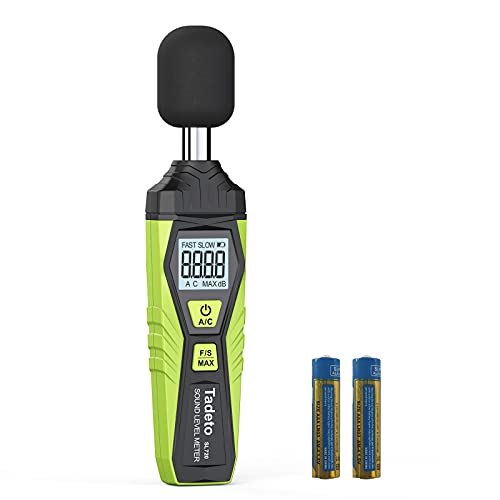
To effectively assess the noise levels in your gazebo, you’ll need to follow a systematic approach that includes selecting the right equipment and methodology. Start by acquiring reliable noise measurement tools, such as a sound level meter, which can accurately capture decibel levels. Position the meter at various locations inside the gazebo to guarantee thorough coverage during your outdoor sound assessment. Perform measurements during different times of the day and in varying weather conditions to gauge fluctuating noise levels. Record your findings meticulously, noting sources of noise, such as nearby traffic or wildlife. This data will provide a clear picture of the acoustic environment, enabling you to make informed decisions about enhancing your gazebo’s tranquility in future analyses.
Soundproofing Techniques for Enhancing Gazebo Serenity
Implementing effective soundproofing techniques can greatly enhance the tranquility of your gazebo, allowing for a more serene outdoor experience. To establish a reliable sound barrier and achieve significant noise reduction, consider the following strategies:
- Install acoustic panels on walls to absorb sound.
- Use heavy curtains or drapes to block external noise.
- Incorporate dense, insulated roofing materials to minimize sound transmission.
- Add weather stripping around doors and windows for a tighter seal.
- Introduce natural barriers, like shrubs or trees, to deflect sound waves.
Landscaping Strategies to Minimize Noise Pollution
To effectively minimize noise pollution around your gazebo, consider implementing landscaping strategies that focus on dense vegetation and sound-absorbing materials. Strategically placed plants can serve as natural barriers, while features like water elements can mask unwanted sounds. Each of these elements contributes to a quieter environment, enhancing your overall experience.
Planting Dense Vegetation
Dense vegetation serves as a natural barrier against noise pollution, effectively absorbing and deflecting sound waves. To enhance noise reduction, consider the following landscaping strategies involving plant selection and vegetation layering:
- Choose dense, thick foliage: Opt for species known for their sound-absorbing qualities.
- Implement multi-layered planting: Combine trees, shrubs, and ground cover to create a robust sound barrier.
- Select evergreen plants: They provide year-round coverage, minimizing sound penetration.
- Group plants strategically: Position taller trees on the outer layer and shorter plants closer to the gazebo.
- Maintain plant health: Regular pruning and care guarantee ideal density for sound reduction.
Sound-Absorbing Materials
Incorporating sound-absorbing materials into your landscaping can greatly reduce noise pollution around your gazebo. These materials, such as acoustic panels, soundproof fencing, and specific types of mulch, enhance sound isolation by absorbing sound waves rather than reflecting them. This approach not only aids in noise control but also creates a more serene environment for relaxation or gatherings. By strategically placing these materials near high-noise areas, you can considerably diminish the impact of external sounds. For instance, using dense, textured surfaces can further enhance their effectiveness. Ultimately, choosing the right sound-absorbing materials allows you to reclaim your outdoor space, providing a peaceful retreat that aligns with your desire for freedom from disruptive noise.
Water Features Design
While many people overlook the potential of water features, incorporating elements like fountains or ponds can effectively mask unwanted noise in your gazebo area. The strategic design of water features not only enhances water feature aesthetics but also utilizes water sound dynamics to create a serene environment. Here are some design strategies to contemplate:
- Fountains: Use varying heights for dynamic sound levels.
- Ponds: Integrate aquatic plants to absorb sound.
- Streams: Create gentle flows to produce soothing noise.
- Waterfalls: Employ multiple stages for layered sound effects.
- Bubbling Basins: Add texture and rhythmic sounds for distraction.
The Benefits of Acoustic Panels and Fabrics
Acoustic panels and fabrics play an essential role in enhancing the sound quality within a gazebo, particularly when outdoor noise levels threaten to disrupt the serene environment. By selecting appropriate acoustic panel types, you can greatly reduce sound transmission and reverberation. For instance, using dense foam panels or fiberglass-based solutions can effectively absorb unwanted noise. Additionally, fabric soundproofing options can further enhance acoustics, as they not only dampen sound but also add aesthetic appeal to your space. Implementing these materials allows you to create a more enjoyable atmosphere, enabling conversations and relaxation without the distraction of external disturbances. Ultimately, investing in acoustic solutions empowers you to reclaim the tranquility of your gazebo, fostering a peaceful retreat amidst nature.
Creating a Tranquil Atmosphere With Ambient Sounds
To enhance the tranquility of your gazebo, consider the strategic use of ambient sounds that can mask disruptive noise. Implementing well-chosen ambient soundscapes and tranquil music can create a serene environment conducive to relaxation. Here are some options to achieve this:
- Nature sounds: Incorporate recordings of rain, birds, or ocean waves.
- White noise machines: Use devices that produce consistent sound to drown out distractions.
- Soft instrumental music: Select calming tracks that promote focus and peace.
- Wind chimes: Add gentle, melodic tones with natural wind movement.
- Water features: Install a small fountain for soothing water sounds.
Maintenance Tips for Sustaining a Quiet Gazebo Environment
Maintaining a quiet gazebo environment requires regular attention to both structural and environmental factors. Here are some essential gazebo maintenance tips to help you achieve that tranquility:
| Structural Focus | Environmental Control | Regular Checks |
|---|---|---|
| Inspect for cracks | Use sound-absorbing materials | Check for loose fittings |
| Tighten loose fixtures | Plant noise-buffering vegetation | Evaluate surrounding noise sources |
| Apply weatherproofing | Limit hard surfaces nearby | Monitor seasonal changes |
Frequently Asked Questions
How Can I Measure Noise Levels Accurately in My Gazebo?
To measure noise levels accurately in your gazebo, use a calibrated sound measurement device. Identify various noise sources around you, noting their intensities, and guarantee your measurements are taken at different times to capture fluctuations.
Are There Specific Times When Noise Levels Are Higher in My Area?
You’ll find noise levels peak during evening commotion and weekend gatherings. People often gather for barbecues or parties, creating a lively atmosphere. Monitoring these times can help you understand the noise dynamics in your area.
Can I Use Smartphone Apps for Noise Level Testing?
Yes, you can use smartphone apps for noise level testing. However, consider app accuracy, as it varies. Leverage your smartphone’s capabilities, but for precise measurements, dedicated sound level meters may be more reliable.
What Are the Legal Noise Regulations for My Gazebo Location?
You’ll need to check local ordinances for noise regulations governing your gazebo. Some areas require noise permits, especially if you’re hosting events. Understanding these laws guarantees you enjoy your space without legal complications or disturbances.
How Does Weather Affect Noise Levels Inside a Gazebo?
Weather impacts noise levels inside a gazebo considerably. Rain and wind enhance sound absorption, reducing perceived noise. Conversely, clear, calm days may amplify sounds, allowing more noise to penetrate, affecting your overall experience in the space.
