

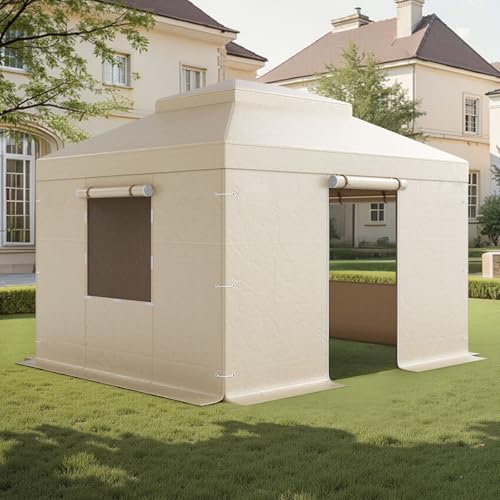
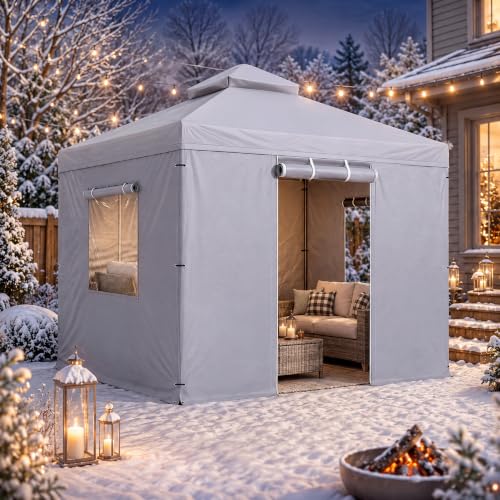
You might think a winter gazebo isn’t the ideal spot for a music practice room, but its serene environment can actually enhance your creativity. With the right adjustments, you can transform this space into a cozy sanctuary for your musical pursuits. From insulation to flooring choices, there are several factors to evaluate that can make all the difference in your practice experience. Let’s explore how to turn your gazebo into an inspiring music haven.


Choosing the Right Location in Your Gazebo
When you’re selecting the perfect spot in your gazebo for a music practice room, it’s essential to contemplate both acoustics and comfort. Start by considering the gazebo orientation. Positioning your space to face away from disruptive noises, like busy streets, can enhance your practice experience. Look for areas that can capture natural light; this not only boosts your mood but also creates a vibrant atmosphere. You’ll want to avoid dark corners that can feel stifling and uninspiring. Think about how sound waves will travel in your chosen location—some areas may amplify sound better than others. Ultimately, finding that sweet spot where you feel at ease and inspired will elevate your music practice sessions to a new level of creativity.
Insulating Your Gazebo for Comfort
To guarantee your gazebo is comfortable for music practice, you’ll want to focus on insulation. Choosing the right materials, sealing windows and doors, and managing temperature and humidity can make a big difference. With the right approach, you can create a cozy space that enhances your musical experience.
Choose Appropriate Insulation Materials
Choosing the right insulation materials for your gazebo can greatly enhance your comfort, especially during extreme weather conditions. Start by exploring various insulation types, like fiberglass, foam boards, or spray foam. Each has its unique benefits, so consider what suits your space best. For instance, fiberglass offers excellent thermal resistance at a lower cost, while spray foam provides superior air sealing, but can be pricier. Pay attention to material density as it affects insulation performance; higher density materials often provide better soundproofing and thermal retention. Remember, you want to create a cozy atmosphere for your music practice while keeping external noise and temperature fluctuations at bay. Make informed choices to enjoy your creative space all year round!
Seal Windows and Doors
Sealing your windows and doors is essential for creating a comfortable music practice room in your gazebo. Proper sealing not only keeps the cold out but also enhances your sound experience. Here’s how you can effectively secure those openings:
- Install door seals to minimize drafts.
- Use insulated window treatments to reduce heat loss.
- Check for gaps around windows and doors regularly.
- Apply weatherstripping for an extra layer of protection.
- Consider thermal film for an added boost in insulation.
Control Temperature and Humidity
While music thrives in a comfortable environment, controlling temperature and humidity in your gazebo can be a challenge. To create the perfect practice space, start with proper insulation. Use weather stripping around windows and doors to prevent drafts. You might also consider adding double-glazed windows for better temperature regulation.
For humidity control, a dehumidifier can work wonders, especially in damp climates. Conversely, if you’re in a dry area, a humidifier helps maintain that ideal moisture level. Additionally, installing a small heater or air conditioning unit provides flexibility throughout the seasons. By taking these steps, you’re not just protecting your instruments; you’re also ensuring that every note you play resonates beautifully, no matter the weather outside.
Selecting Appropriate Flooring
When choosing flooring for your music practice room, think about how it will affect sound quality and insulation. You’ll want something durable and easy to maintain, as this space needs to withstand the wear and tear of regular use. Plus, the right acoustic properties can enhance your overall practice experience, making it an essential consideration.
Soundproofing Considerations
To create an effective soundproofed music practice room, selecting the right flooring is essential, as it can greatly impact the overall acoustics. The right choice enhances sound absorption and noise reduction, allowing you to practice freely without disturbing others. Here are some flooring options to evaluate:
- Carpet: Offers excellent sound absorption and comfort.
- Cork: Natural sound insulator that helps reduce noise.
- Rubber flooring: Durable and great for minimizing sound transmission.
- Acoustic tiles: Designed specifically for soundproofing.
- Vinyl: Easy to clean and provides decent noise reduction.
Durability and Maintenance
Choosing the right flooring for your music practice room involves not just soundproofing capabilities but also considerations of durability and maintenance. You’ll want a floor that can withstand wear and tear, especially if you play regularly. Opt for materials like vinyl or laminate, which offer weather resistance and are easy to clean. Establish a maintenance schedule to keep your flooring looking fresh—regular sweeping and occasional mopping can do wonders. If you go for wood, make sure it’s treated for humidity changes, as this will help prevent warping. Remember, the right flooring not only enhances your practice experience but also provides a long-lasting foundation for your creativity. Prioritize durability, and you’ll enjoy a space that stands the test of time.
Acoustic Properties Importance
While you might be tempted to prioritize aesthetics in your music practice room, the acoustic properties of your flooring play an essential role in shaping your sound. Choosing the right flooring can enhance sound reflection and improve frequency absorption, making your practice space truly effective. Here are some factors to evaluate:
- Material: Opt for carpets or rugs for better frequency absorption.
- Thickness: Thicker flooring can help dampen unwanted echoes.
- Finish: Matte finishes reduce sound reflection compared to glossy surfaces.
- Installation: Floating floors can minimize vibrations and enhance acoustics.
- Area rugs: Strategically placed rugs can create a balanced sound environment.
Acoustics: Enhancing Sound Quality
Since achieving ideal sound quality is essential for any music practice room, understanding the principles of acoustics can greatly enhance your experience. To improve sound absorption and frequency response, consider integrating various materials and techniques.
Here’s a quick reference table to guide your choices:
| Material | Purpose |
|---|---|
| Acoustic Panels | Enhance sound absorption |
| Rugs and Carpets | Dampen reflections |
| Curtains | Control sound waves |
Furniture and Storage Solutions
To create a functional and inspiring music practice room, it’s essential to incorporate the right furniture and storage solutions that complement your creative space. Thoughtful furniture arrangement can enhance your practice experience while maintaining an organized environment. Here are some key elements to take into account:
Enhance your music practice room with thoughtful furniture and storage solutions for a comfortable and organized creative space.
- Comfortable seating for long practice sessions
- Adjustable music stands for ideal positioning
- Shelving units to store sheet music and instruments
- Multi-functional furniture, like a bench with storage
- Acoustic panels that double as wall art
Lighting Options for Inspiration
When you’re setting up your music practice room, the right lighting can greatly influence your creativity and focus. Start by maximizing natural lighting; large windows or skylights can let in the sun’s energy, making your space feel open and inspiring. If that’s not an option, consider adjustable LED lights that mimic daylight. For those late-night sessions, mood lighting is essential. Use soft, warm lamps or string lights to create a cozy environment. Dimmer switches can help you control the intensity, allowing you to shift the atmosphere as needed. Experiment with colors too—some hues can stimulate creativity while others promote calm. By choosing the right lighting, you’ll create a space that fuels your musical exploration.
Creating a Warm and Inviting Atmosphere
A well-lit room sets the stage for creativity, but it’s the overall atmosphere that truly makes a space feel inviting. To create that warm vibe in your music practice room, consider the following:
- Color Schemes: Choose warm hues like soft yellows or gentle reds to stimulate creativity.
- Decorative Elements: Incorporate personal items like photos or artwork that inspire you.
- Comfortable Seating: Add a cozy chair or bean bag for relaxation during breaks.
- Plants: Introduce greenery to bring life and freshness into the space.
- Textiles: Use rugs and curtains to soften sounds and enhance comfort.
These elements work together to transform your practice room into a sanctuary where you can freely express your musical talents.
Incorporating Technology for Practice
Incorporating technology into your music practice room can greatly enhance your learning experience and creativity. Start by integrating music software that suits your style, whether you’re composing or arranging. Programs like GarageBand or Ableton Live can open new avenues for your creativity. Additionally, practice apps can provide structured exercises, track your progress, and even offer feedback on your performances. Consider using apps like Yousician or SmartMusic, which make practice engaging and personalized. Don’t forget to utilize metronomes or tuners available on your devices to refine your skills. By leveraging these tools, you’ll not only improve your playing but also enjoy the freedom to explore music in innovative ways. Embrace technology and watch your musical journey flourish!
Personalizing Your Music Space
Creating a personalized music space can make all the difference in your practice routine. When you surround yourself with elements that inspire you, you’ll find it easier to connect with your music. Here are some ways to personalize your space:
- Add personal decor: Hang up photos or art that resonate with your musical journey.
- Incorporate meaningful objects: Place instruments or mementos that inspire your creativity.
- Choose your colors: Use paint or decor that reflects your personality and energizes you.
- Create a cozy atmosphere: Add comfortable seating or soft lighting to make it inviting.
- Curate a playlist: Have a selection of songs that motivate and ignite your passion.
Your music space should feel like a sanctuary, fueling your artistic spirit!
Frequently Asked Questions
What Are the Best Materials for Soundproofing a Gazebo?
To soundproof your gazebo, consider using acoustic panels and sound barriers. These materials absorb sound, creating a serene environment. Imagine practicing without distractions—it’s possible with the right choices and a little creativity.
How Can I Maintain Temperature in My Gazebo During Winter?
To maintain temperature in your gazebo during winter, consider insulation options like foam boards or fiberglass. Pair these with heating solutions such as electric heaters or infrared panels, ensuring comfort while enjoying your creative space.
What Instruments Are Best Suited for Outdoor Practice?
Acoustic guitars and portable keyboards are perfect for outdoor practice. Their lightweight designs allow for easy transport, while their durability withstands various weather conditions. You’ll enjoy the freedom to play wherever your heart desires!
How Do I Prevent Humidity Damage to My Instruments?
To prevent humidity damage, you’ll want to balance freedom with instrument protection. Use a dehumidifier for humidity control, store instruments in cases, and monitor moisture levels. This way, you can enjoy music without worry.
Can I Use My Gazebo for Outdoor Performances as Well?
Yes, you can absolutely use your gazebo for outdoor performances! Just consider the outdoor acoustics and invest in some good performance lighting to enhance the atmosphere. It can create a memorable experience for both you and your audience.