
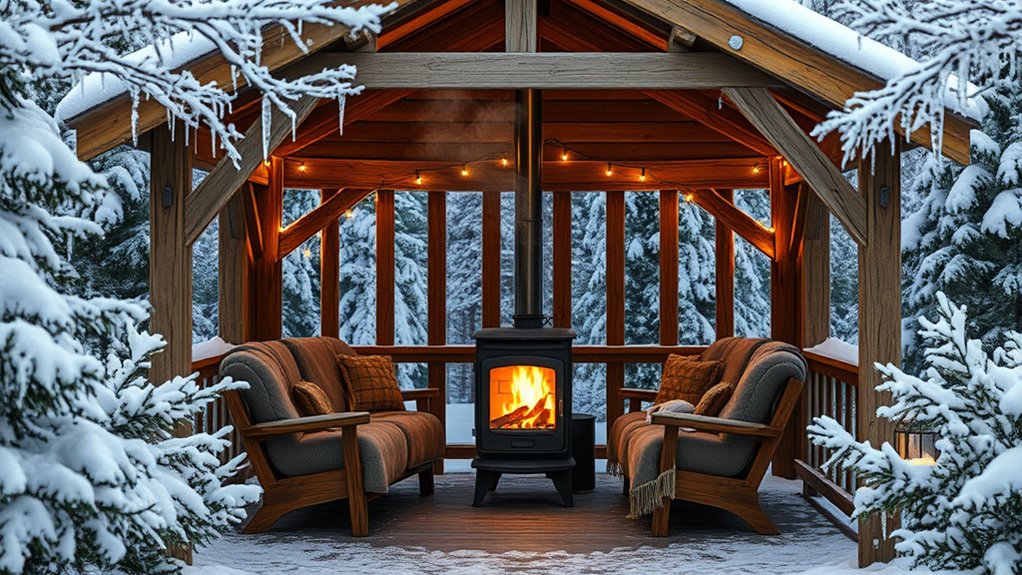
Winter gazebos can be a cozy retreat, yet they risk turning into sweltering spaces if not managed properly. Striking the right balance between warmth and ventilation is key. You don’t want to sacrifice comfort for overheating. So, how can you maintain a pleasant atmosphere without feeling stifled? Let’s explore effective strategies that will keep your gazebo inviting and enjoyable all season long.


Insulating Your Gazebo for Maximum Comfort
When winter’s chill sets in, insulating your gazebo becomes essential for maintaining a cozy atmosphere. To achieve this, you’ll want to explore various insulation materials, such as foam boards, fiberglass, or bubble wrap. These can serve as effective thermal barriers, trapping heat and preventing drafts. Consider adding weatherstripping around windows and doors to enhance insulation further. Heavy curtains can also help retain warmth while adding a touch of style. By properly insulating your gazebo, you’ll create a comfortable retreat where you can enjoy the beauty of winter without the bite of the cold. Embrace your freedom to relax in warmth!
Choosing the Right Heating Source
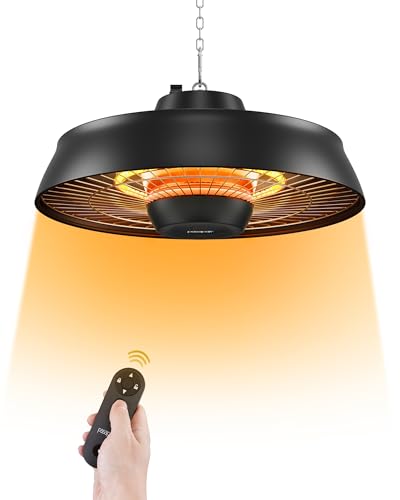
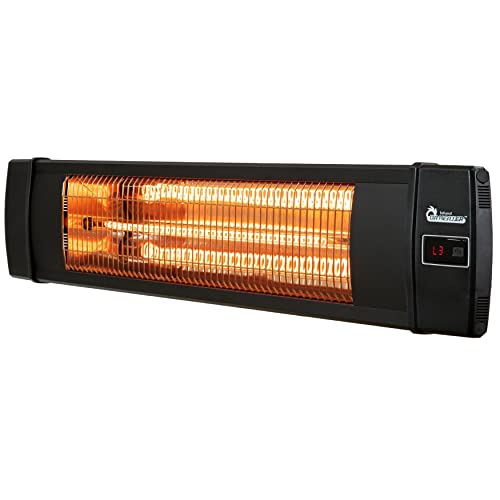
While choosing the right heating source for your winter gazebo, it’s crucial to take into account both efficiency and safety. Electric heaters are a popular choice for their ease of use and lower risk of carbon monoxide exposure, making them perfect for smaller spaces. However, if you prefer a more powerful option, gas heaters provide robust heat and work well in larger areas. Just remember to guarantee proper ventilation when using gas to avoid any hazards. Ultimately, weigh your needs and preferences to create a cozy atmosphere that keeps you warm while enjoying the freedom of your winter retreat.
Utilizing Ventilation Techniques
To keep your winter gazebo cozy without overheating, effective ventilation is key. You can enhance natural airflow by adjusting window openings and incorporating roof ventilation systems. These techniques help maintain a comfortable temperature while still enjoying the winter scenery.
Natural Air Flow
Three key ventilation techniques can help maintain natural air flow in your winter gazebo, preventing overheating while ensuring a comfortable atmosphere. Focus on these methods:
- Cross Ventilation: Position openings on opposite sides to create a flow, allowing fresh air in and hot air out.
- Strategic Placement: Use furniture to encourage air circulation, directing breezes toward seating areas.
- Natural Drafts: Utilize temperature differences to promote upward air movement, especially near heat sources.
Adjustable Windows Openings
Adjustable window openings can greatly enhance the ventilation in your winter gazebo, making it easier to control the internal temperature. By strategically considering window placement, you can optimize air flow and reduce heat buildup. Adjustable screens allow you to regulate the amount of fresh air entering, keeping your space comfortable without sacrificing warmth. It’s important to position these windows where they can catch cross breezes, ensuring maximum circulation. With a little effort, you’ll find that a well-ventilated gazebo offers a rejuvenating escape, allowing you to enjoy the beauty of winter without the discomfort of overheating. Embrace the freedom of fresh air!
Roof Ventilation Systems
A well-designed roof ventilation system can greatly improve your winter gazebo’s comfort by preventing heat buildup and condensation. By optimizing your roof design, you can enhance airflow dynamics, ensuring a pleasant environment. Here are three effective ventilation techniques to evaluate:
- Ridge Vents: These allow hot air to escape from the peak of the roof, promoting cooler air intake from the sides.
- Soffit Vents: Installed under the eaves, they help draw in fresh air, balancing the airflow.
- Gable Vents: Positioned on the ends, they encourage cross-ventilation, reducing moisture buildup.
Implementing these can make a world of difference!
Layering Your Furnishings
Layering your furnishings is key to creating a cozy atmosphere in your winter gazebo. Start with a solid furniture arrangement, placing larger pieces like sofas or chairs against the walls to maximize space. Then, choose a variety of materials for cushions, throws, and rugs—think soft wool, plush velvet, or textured knit—to add warmth and comfort. Don’t shy away from mixing colors and patterns; it can liven up the space! Finally, consider adding a coffee table or side tables for functionality. By thoughtfully layering your furnishings, you’ll create an inviting environment that invites relaxation and enjoyment all winter long.
Incorporating Natural Heat Sources
To keep your winter gazebo cozy without overheating, think about harnessing natural heat sources. Utilizing solar energy can warm up your space during the day, while adding indoor plants not only enhances aesthetics but also helps regulate temperature. Together, these strategies can create a more comfortable and inviting atmosphere all season long.
Solar Heat Utilization
While winter might seem like the wrong time to harness the sun’s warmth, utilizing solar heat in your gazebo can markedly enhance comfort and energy efficiency. Here’s how you can make it work:
- Maximize Solar Panel Efficiency: Position panels to capture the most sunlight, even in winter.
- Incorporate Thermal Mass: Use materials like stone or concrete, which absorb and release heat slowly, keeping your gazebo warm.
- Enhance Insulation: Confirm your gazebo is well-insulated to retain the heat generated.
Indoor Plant Benefits
Integrating indoor plants into your winter gazebo not only enhances the aesthetic but also contributes to a cozy atmosphere by utilizing natural heat sources. Plants thrive in a warm environment, promoting healthy plant growth while adding life to your space. They naturally release moisture, helping to regulate humidity levels, which can make the air feel warmer. Plus, the greenery creates a calming ambiance, making your gazebo a perfect retreat. By carefully selecting plants that flourish indoors, you can elevate your indoor aesthetics while enjoying the benefits of nature’s warmth. Embrace this freedom to create a vibrant, inviting haven all winter long!
Monitoring Temperature and Humidity Levels
How can you assure your winter gazebo remains a comfortable retreat? Monitoring temperature and humidity levels is key. Here’s how you can do it effectively:
- Install temperature sensors to track warmth and adjust heating as needed.
- Use humidity monitors to assure moisture levels stay balanced, preventing dampness.
- Regularly check readings and make adjustments to create a cozy environment.
Frequently Asked Questions
Can I Use My Gazebo Year-Round Without Overheating Issues?
Absolutely, you can enjoy your gazebo year-round! Just embrace seasonal adaptations like proper ventilation and shading. With these tweaks, it’ll be your cozy retreat, free from overheating, no matter the weather’s whims.
What Materials Are Best for Insulating a Gazebo?
For insulating your gazebo, consider options like foam panels or thermal curtains. Foam’s lightweight and excellent R-value provide great insulation, while thermal curtains add aesthetic appeal and extra warmth, enhancing your outdoor freedom year-round.
How Can I Prevent Drafts in My Gazebo?
To prevent drafts in your gazebo, consider using draft barriers and various weatherstripping options. Seal gaps around windows and doors, and add insulated curtains for extra protection, ensuring a cozy, enjoyable space throughout winter.
Is It Safe to Use a Fireplace in a Gazebo?
It isn’t safe to use a fireplace in a gazebo without proper ventilation. Ensuring adequate airflow is essential for fireplace safety, preventing smoke buildup and carbon monoxide hazards. Always prioritize safety when enjoying your outdoor space.
What Plants Thrive Well in Winter Gazebos?
Want to fill your gazebo with life during winter? Consider winter plants like pansies, heathers, and evergreens. Their vibrant colors complement your gazebo design, creating a cozy retreat that thrives even in the cold months.