
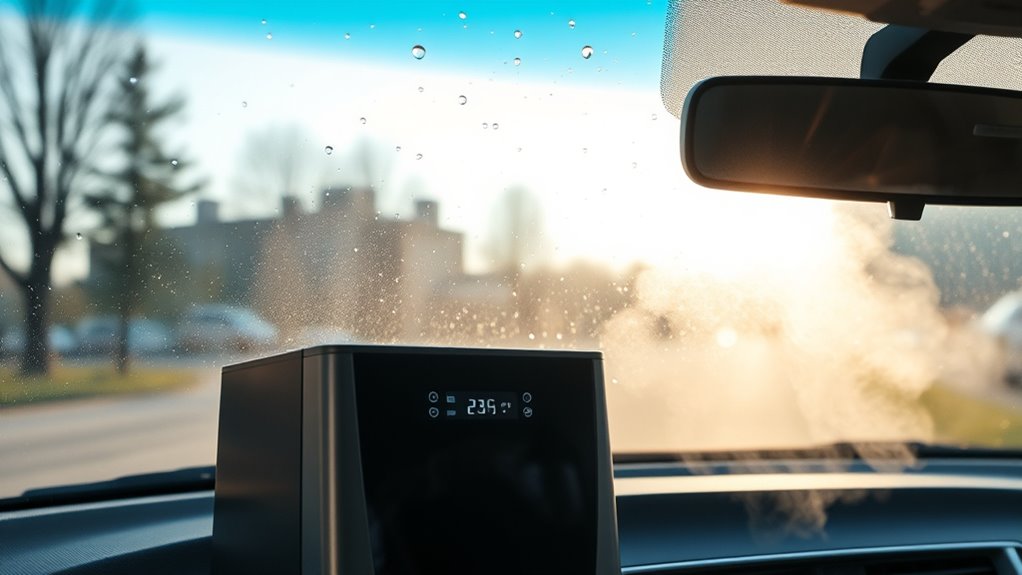
Imagine driving through a thick fog, where visibility is as limited as a dimly lit room. This common issue is often caused by excess humidity inside your vehicle or home. Understanding the underlying causes of window fog is essential for maintaining clarity. By managing humidity and ensuring proper ventilation, you can greatly reduce condensation. But what specific strategies can you implement to combat this persistent problem?


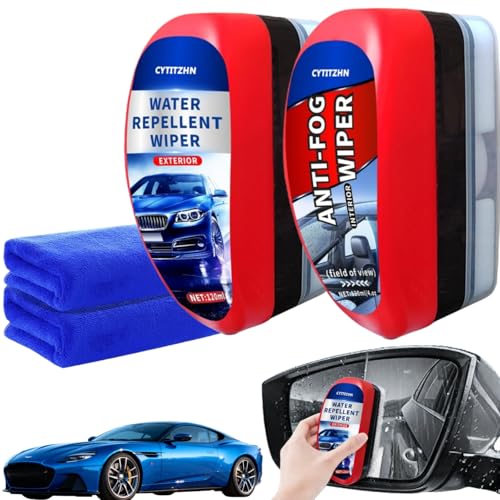

Understanding the Causes of Window Fog
When you notice fog forming on your windows, it’s essential to understand the underlying causes to effectively address the issue. Window condensation occurs when warm, moist air encounters cooler glass surfaces, leading to water vapor condensing into tiny droplets. Key causes of fog include high indoor humidity, temperature differences between indoor and outdoor air, and inadequate insulation. When warm air from cooking, bathing, or even breathing meets the cold window, it creates an ideal environment for condensation. Identifying these causes allows you to take proactive measures, ensuring clearer visibility and a more comfortable living space.
The Importance of Proper Ventilation
While you might not think about it often, proper ventilation is essential for preventing window fog. Effective ventilation systems enhance air circulation within your space, reducing humidity levels that contribute to condensation on windows. When moisture-laden air can escape and fresh air enters, it minimizes the chances of fog forming. Make certain that your ventilation systems are properly maintained and functional, allowing for ideal airflow. This not only improves visibility but also promotes a healthier indoor environment. By prioritizing good ventilation, you empower yourself to maintain clarity in your surroundings and enjoy the freedom of unobstructed views.
Adjusting Your Climate Control Settings
To effectively combat window fog, adjusting your climate control settings is essential. Here are three critical adjustments you can make:
- Set Temperature Settings: Keep your vehicle’s interior temperature slightly warmer than the outside to minimize condensation.
- Use Air Conditioning: Engage your AC, even in winter, to reduce humidity levels inside the cabin.
- Direct Airflow: Aim the defroster vents toward the windshield to enhance air circulation and expedite fog removal.
Utilizing Anti-Fog Products
How can you effectively prevent window fog? Utilizing anti-fog products is essential. Anti-fog sprays create a thin layer on surfaces that resists condensation, ensuring clear visibility. Simply spray the solution on your windows or lenses, then wipe it evenly with a clean cloth. For smaller surfaces, lens wipes provide a convenient alternative. These pre-moistened wipes are designed to reduce fogging on glasses and goggles, making them perfect for everyday use. By incorporating these products into your routine, you’ll maintain clarity and enhance your freedom of movement, allowing you to navigate safely in various conditions.
Keeping Your Windows Clean
Although keeping your windows clean may seem like a simple task, it plays an essential role in preventing fog buildup. Dirty windows can trap moisture and hinder visibility. To guarantee effective window cleaning and streak prevention, follow these steps:
- Use a high-quality glass cleaner: Opt for an ammonia-free product that won’t leave residue.
- Employ a microfiber cloth: This reduces streaking and effectively lifts dirt without scratching surfaces.
- Clean during suitable conditions: Avoid direct sunlight to prevent rapid drying, which can cause streaks.
Managing Interior Humidity Levels
Managing interior humidity levels is essential for preventing window fog, as excess moisture in the air can condense on cold surfaces. Effective humidity control can be achieved through various methods, including the use of dehumidifiers and moisture-absorbing materials. Below, you’ll find a table that outlines these strategies:
| Method | Effectiveness | Additional Tips |
|---|---|---|
| Dehumidifiers | High | Choose the right size |
| Ventilation | Moderate | Open windows periodically |
| Absorbent Materials | Variable | Use silica gel packs |
| HVAC Systems | High | Regular maintenance needed |
Using Your Vehicle’s Defrost Feature
One effective way to combat window fog in your vehicle is by utilizing the defrost feature. Understanding your defrost settings can considerably enhance defrost effectiveness. Here are three tips to maximize performance:
- Select the Front Defrost Setting: This directs airflow to the windshield, clearing fog quickly.
- Use the Air Conditioning: Engaging the A/C reduces humidity, improving defrost efficiency.
- Adjust Temperature Gradually: Start with warm air to combat cold glass, then balance to maintain visibility.
Parking Strategies to Minimize Fog
To minimize window fog, consider your parking strategy carefully. Positioning your vehicle in sunny locations can help warm the interior and reduce moisture buildup. Additionally, maintaining airflow inside and avoiding extreme temperature differences between the inside and outside will further aid in preventing fog.
Choose Sunny Locations
Since choosing sunny locations for parking can greatly reduce window fog, it’s important to take into account your surroundings when you park your vehicle. Opting for sunny destinations has significant sunlight benefits, as direct sunlight helps to evaporate moisture on your windows. Consider these strategies:
- Park near trees or structures: Avoid shaded areas that trap humidity.
- Choose open spaces: Select a spot that’s exposed to sunlight throughout the day.
- Monitor weather patterns: Stay informed about local weather to anticipate fog-prone conditions.
Maintain Airflow Inside
Choosing sunny locations for parking helps reduce moisture accumulation on your windows, but maintaining airflow inside your vehicle is equally important in preventing fog. Guarantee proper air circulation by slightly opening windows or using the vehicle’s ventilation system. Regularly check and replace cabin filters to maximize airflow; clogged filters restrict circulation, allowing humidity to build up. Activate the air conditioning to help dehumidify the cabin, even in cooler temperatures. By prioritizing airflow and the condition of your cabin filters, you can effectively minimize fog and maintain clear visibility, promoting a safer and more enjoyable driving experience.
Avoid Temperature Extremes
While it may seem convenient to park in shaded areas, doing so can lead to temperature extremes that contribute to window fogging. For ideal temperature regulation and to minimize fogging, consider these strategies:
- Park in the Sun: In colder weather, sunlight can help maintain a stable temperature inside your vehicle.
- Use Covered Parking: In extreme weather, a garage or carport can buffer temperature fluctuations.
- Adjust Climate Control: Before exiting, activate your vehicle’s defrost setting to balance interior and exterior temperatures, reducing humidity.
Regular Maintenance of Your Vehicle’s HVAC System
Regular maintenance of your vehicle’s HVAC system is essential for peak performance and comfort. Start by checking HVAC filters; a clean filter guarantees proper airflow and minimizes fogging. Replace them regularly to maintain efficiency. Additionally, monitor refrigerant levels to prevent system strain and guarantee effective temperature control. Low refrigerant can lead to inadequate cooling and increased humidity inside your vehicle, contributing to foggy windows. By prioritizing these tasks, you not only enhance visibility but also extend the lifespan of your HVAC system. Embrace this freedom of clear sight by keeping your vehicle’s climate control in prime condition.
Tips for Driving in Foggy Conditions
Even with a well-maintained HVAC system, foggy conditions can present challenges while driving. To navigate safely, follow these tips:
Foggy driving can be tricky, even with proper vehicle maintenance; stay safe by following essential tips.
- Use Fog Lights: Turn on your fog lights to enhance visibility without blinding other drivers.
- Maintain a Safe Distance: Keep a greater distance from the vehicle ahead to allow for sudden stops.
- Practice Slow Driving: Reduce your speed considerably; this gives you more time to react to obstacles.
Frequently Asked Questions
Can Window Tinting Help Reduce Fogging?
Yes, window tinting can help reduce fogging. It enhances fog prevention by regulating temperature differences between the interior and exterior, minimizing moisture buildup. Additionally, tint benefits include improved visibility and comfort during various weather conditions.
Is Fogging Worse in Certain Weather Conditions?
Fogging’s a nightmare in high humidity levels and drastic temperature differences. When it’s cold outside but warm inside, moisture condenses on your windows, making visibility challenging. You’ll definitely want to manage those conditions!
Does the Type of Glass Affect Fogging?
Yes, the type of glass can affect fogging. Glass coatings and thermal insulation properties play vital roles. High-quality coatings can minimize moisture accumulation, while better insulation reduces temperature differences, thereby helping to reduce fogging overall.
Can Pets Inside the Vehicle Contribute to Window Fog?
Yes, pets inside your vehicle can contribute to window fog. Their moisture, combined with the vehicle’s insulation, creates a humid environment, leading to condensation on the glass. Keeping windows slightly cracked can help mitigate this issue.
How Can I Prevent Fogging in My Home Windows?
To prevent fogging in your home windows, focus on humidity control and improve window insulation. Use dehumidifiers, guarantee proper ventilation, and install weather stripping to maintain a stable indoor environment and reduce moisture buildup.