
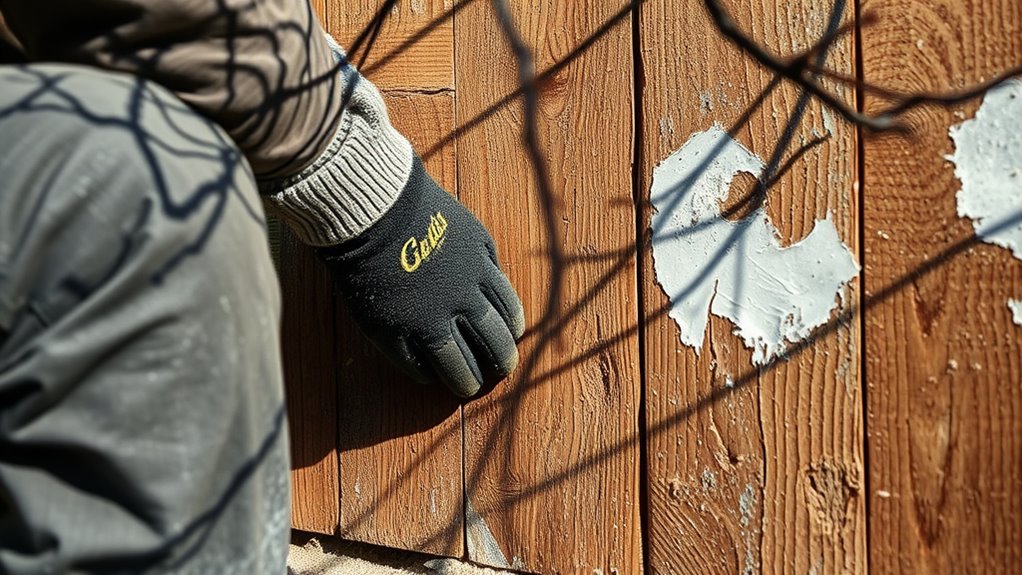
As winter approaches, it’s important to inspect your wall panels for potential damage. Cold temperatures can cause materials to expand and contract, leading to issues like warping or cracking. Pay close attention to signs such as discoloration, peeling paint, or drafts. Using tools like moisture meters can help you assess the condition more accurately. Understanding the specific areas to check will be vital, especially when considering preventative measures. What steps can you take to safeguard your home?



Understanding the Impact of Winter on Wall Panels
As the winter months approach, it’s essential to recognize how cold temperatures and moisture can affect wall panels in your home. Winter effects can lead to expansion and contraction in various panel materials, causing structural issues. For instance, wood panels may warp or crack due to humidity fluctuations, while vinyl can become brittle. To mitigate these risks, guarantee proper insulation and ventilation. Regularly inspect areas prone to moisture accumulation, like corners and joints. Consider using moisture-resistant panel materials if your home is susceptible to winter damage. Taking these steps will help maintain the integrity of your wall panels throughout the colder months.
Common Signs of Damage to Look For
While winter may bring cozy nights indoors, it can also conceal potential damage to your wall panels that you need to watch for. Look for signs like warping, bubbling, or discoloration, as these often indicate moisture intrusion. Pay close attention to areas near windows and doors, where drafts are common. Use moisture detection tools to assess humidity levels behind the panels; high readings suggest water damage. If you find significant deterioration, it might be time for panel replacement. Regularly inspecting your wall panels can help you maintain a comfortable living environment and prevent costly repairs down the line.
Tools and Materials Needed for Inspection
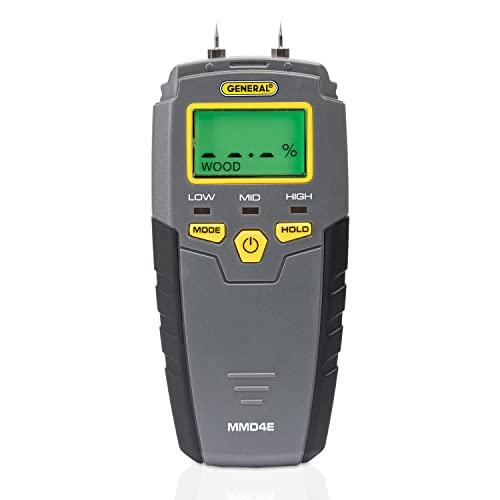
Before you start inspecting your wall panels for winter damage, you’ll want to gather a few essential tools and materials to guarantee a thorough evaluation. An inspection checklist is vital—include items like a flashlight to spot issues in dim areas, a moisture meter to check for hidden dampness, and a level to assess panel alignment. You’ll also need a screwdriver to remove any coverings and a tape measure for accurate assessments. Don’t forget safety gear, like gloves and goggles. With these essential tools, you’re set to conduct a detailed inspection, ensuring you address any winter damage effectively.
Inspecting Interior Wall Panels
When inspecting your interior wall panels, start by checking for signs of moisture damage, such as discoloration or peeling paint. Next, carefully look for any cracks or warping that could indicate structural issues. Addressing these problems early can prevent more extensive damage down the line.
Signs of Moisture Damage
As you inspect your interior wall panels for signs of moisture damage, it is crucial to be aware of specific indicators that may suggest underlying issues. Look for discoloration or staining, which often indicates moisture sources nearby. Pay attention to any peeling paint or wallpaper, as this can signal trapped moisture. Additionally, check for a musty odor, a common sign of mold growth due to prolonged dampness. Conduct a damage evaluation by pressing on panels; if they feel soft or spongy, it’s a red flag. Staying vigilant can help you address moisture issues before they escalate into more significant problems.
Cracks and Warping Issues
While inspecting your interior wall panels, it is essential to look for cracks and warping, which can indicate structural issues or moisture intrusion. Addressing these problems promptly can save you from costly repairs down the line. Here are some key points to reflect on:
- Look for visible cracks; they may require crack repair to prevent further damage.
- Check for any warping; effective warping solutions can restore your panels’ integrity.
- Monitor panel alignment; misalignment often signals deeper issues needing immediate attention.
Inspecting Exterior Wall Panels
Before the cold sets in, it’s important to inspect your exterior wall panels for any signs of damage that could worsen over the winter months. Begin by examining the exterior materials for cracks, warping, or peeling. Check the panel installation for loose or misaligned sections, as these can allow moisture to penetrate. Use a moisture meter to assess humidity levels in the panels. Look for gaps between panels where air can escape, and verify seals are intact. Remember, addressing these issues now can save you from costly repairs later, so take the time to maintain your home’s integrity this winter.
Identifying Water Damage and Mold Growth
When inspecting your wall panels, look for signs of water damage, such as discoloration or warping. It is crucial to recognize different types of mold, as some can pose health risks. Once identified, you can take steps for prevention and treatment to maintain a safe and dry environment.
Signs of Water Damage
Water damage can manifest in various ways, greatly impacting the integrity of wall panels in your home. To identify signs of water damage, look for:
- Water stains: These may appear as dark spots or discoloration on the wall surface.
- Peeling paint: If the paint is bubbling or flaking, it’s often a sign of moisture buildup underneath.
- Warping or buckling: If your panels seem distorted, that’s a clear indication of potential water intrusion.
Regular inspections can help you catch these issues early, preventing further damage and maintaining your home’s structural integrity. Stay vigilant and proactive to guarantee a safe living environment.
Recognizing Mold Types
Although mold can thrive in various environments, recognizing the specific types that may arise from water damage is essential for effective remediation. You’ll want to employ mold identification techniques such as visual inspections and air sampling to determine the presence of common types like black mold or Aspergillus. Look for discoloration, a musty odor, or fuzzy patches. Understanding these variations not only aids in identification but also informs your mold prevention strategies, including controlling humidity levels and ensuring proper ventilation in affected areas. Taking these steps empowers you to maintain a healthy environment, free from the risks associated with mold growth.
Prevention and Treatment
To effectively prevent and treat water damage and mold growth, it is crucial to first identify the sources and signs of moisture intrusion in your home. Regular preventive maintenance can save you from costly repairs. Look for:
- Water stains on walls or ceilings
- Musty odors indicating hidden mold
- Peeling paint or wallpaper, which signals moisture
Once you’ve identified issues, consider treatment options like dehumidifiers to control humidity, mold-resistant paints for protection, and proper sealing of windows and doors to prevent leaks. Addressing these concerns promptly helps maintain a healthy living environment and protects your home from winter damage.
Checking for Warping and Cracking
When inspecting wall panels for signs of winter damage, checking for warping and cracking is critical, as these issues can compromise the structural integrity and aesthetics of your space. Begin your seasonal inspections by examining each panel closely. Look for any signs of bending or distortion; these could indicate moisture damage. Use a straight edge to assess flatness and identify cracks, noting their size and location. If you discover minor defects, consider DIY repairs to address them promptly. For significant warping or extensive cracking, consult a professional to guarantee the integrity of your wall panels remains intact.
Preventative Measures to Protect Wall Panels
Since maintaining the condition of your wall panels is essential, implementing preventative measures can save you time and money in the long run. Consider these steps to protect your panels effectively:
- Insulation upgrades: Enhance thermal resistance to prevent heat loss and minimize cold spots.
- Moisture barriers: Install barriers to prevent water infiltration, reducing the risk of mold and damage.
- Regular inspections: Schedule routine checks to identify potential issues before they escalate.
When to Seek Professional Help
If you notice signs of severe damage, such as extensive cracking, warping, or moisture intrusion, it’s vital to seek professional help. Complex repairs often require specialized knowledge and tools that go beyond basic DIY skills. Addressing these issues promptly can prevent further deterioration and guarantee your wall panels remain structurally sound.
Signs of Severe Damage
While minor wear and tear can often be addressed with simple repairs, recognizing the signs of severe damage is crucial for maintaining the integrity of your wall panels. If you notice any of the following indicators, it’s time to seek professional help:
- Cracks or warping in various wall panel types
- Significant moisture or mold growth affecting insulation materials
- Persistent drafts or temperature inconsistencies
Ignoring these signs could lead to costly repairs down the line. Taking proactive measures guarantees your space remains comfortable and safe, allowing you the freedom to enjoy your environment without worry.
Complex Repairs Required
Identifying when wall panel damage has escalated beyond simple fixes is essential for preserving your home’s integrity. If you notice extensive warping, mold growth, or structural issues, it’s time to contemplate professional help. Attempting complex repairs without expertise can lead to costly mistakes. Evaluate your situation by performing a thorough cost analysis—compare potential repair techniques against the value of your home. If repairs involve electrical or plumbing work, or if the damage affects load-bearing walls, don’t hesitate to call in an expert. Investing in professional assistance can save you time, money, and guarantee your home remains safe and secure.
Maintenance Tips for Year-Round Protection
To guarantee your wall panels withstand the rigors of changing seasons, regular maintenance is essential. Implementing a preventive maintenance routine guarantees longevity and minimizes costly repairs. Schedule seasonal inspections to identify potential issues before they escalate. Here are three key maintenance tips:
Regular maintenance is crucial for wall panels to endure seasonal changes and prevent costly repairs.
- Inspect Sealants: Check for cracks or peeling in sealants, replacing them as needed to prevent moisture intrusion.
- Clean Regularly: Remove dirt and debris to avoid mold growth and maintain aesthetics.
- Monitor Humidity Levels: Keep indoor humidity in check to reduce warping and damage to wall panels.
Frequently Asked Questions
Can I Inspect Wall Panels Without Professional Help?
Yes, you can perform DIY inspections on wall panels. Start with a thorough visual check, looking for cracks or moisture. Use tools for damage assessment, ensuring you document findings for future reference or potential professional help.
How Often Should I Check My Wall Panels for Damage?
You should check your wall panels at least twice a year as part of seasonal maintenance. Increased inspection frequency during extreme weather changes can help identify any damage early, ensuring your home’s integrity and your peace of mind.
Are Certain Wall Panel Materials More Resistant to Winter Damage?
Yes, some wall panel materials, like insulated vinyl or fiber-cement, offer better moisture resistance and insulation materials. These options help prevent winter damage, ensuring your home remains comfortable and energy-efficient throughout the colder months.
What Should I Do if I Find Mold During Inspection?
If you find mold, don’t let it fester like a hidden storm. Initiate mold remediation immediately to mitigate health risks. Seal the area, remove affected materials, and consult professionals for safe and thorough treatment.
Can Wall Panel Damage Affect My Home’s Insulation?
Yes, wall panel damage can greatly reduce insulation performance, leading to decreased energy efficiency in your home. Inspecting for damage regularly guarantees your insulation remains effective, helping to maintain a comfortable living environment and lower energy costs.