
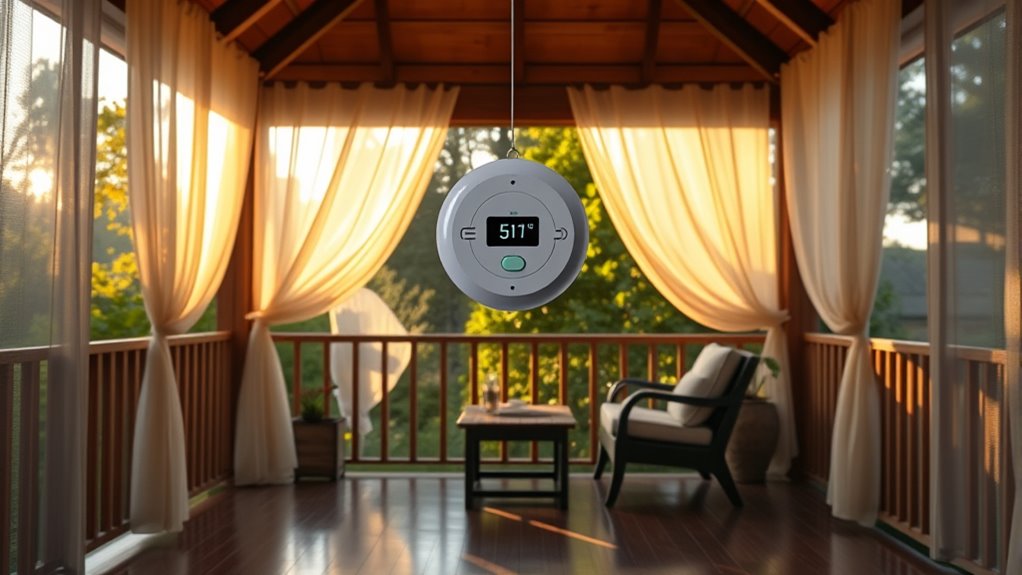
When enjoying your enclosed gazebo, understanding carbon monoxide safety is essential. You may not realize that common heating devices can pose serious risks if ventilation isn’t properly managed. The signs of carbon monoxide poisoning can be subtle, making it vital to stay informed. Ensuring safety involves a few key practices that can protect you and your guests. What steps should you take to create a safer environment in your gazebo?
Understanding Carbon Monoxide and Its Dangers
Although often overlooked, carbon monoxide (CO) is a colorless, odorless gas produced by burning fuels in devices like grills and heaters, making it particularly dangerous in enclosed spaces such as gazebos. Recognizing carbon monoxide sources is vital for safety. Common culprits include gas appliances, which can malfunction or be improperly used, leading to dangerous CO buildup. You should always guarantee adequate ventilation when using these devices and regularly maintain them to minimize risks. Investing in a CO detector is also wise, as it can alert you to rising levels, allowing you to act swiftly and protect your freedom and well-being.
Common Sources of Carbon Monoxide in Gazebos
When using a gazebo, it is crucial to be aware of common sources of carbon monoxide that can pose serious risks. Knowing these carbon monoxide sources can help you maintain a safe environment while enjoying your space.
- Gas heaters used for gazebo heating
- Charcoal grills and propane stoves
- Generators placed too close to the gazebo
- Inadequate ventilation from enclosed spaces
- Indoor heating devices brought outside
Signs and Symptoms of Carbon Monoxide Poisoning
Understanding the common sources of carbon monoxide in gazebos is only the first step in ensuring safety. You need to recognize the signs and symptoms of carbon monoxide poisoning to protect yourself and your loved ones. Early symptoms often include headache, dizziness, and nausea, which can escalate to confusion and loss of consciousness if exposure continues. Being aware of these symptoms is vital; symptom recognition can save lives. If you suspect carbon monoxide exposure, act quickly. Prioritizing poisoning awareness is essential for maintaining a safe environment, especially in enclosed spaces where ventilation may be limited. Stay vigilant and informed.
Importance of Ventilation in Enclosed Gazebos
In enclosed gazebos, poor ventilation can greatly increase the risk of carbon monoxide buildup, posing serious health threats. To guarantee safety, it’s vital to implement essential airflow techniques and adhere to safe heating practices. Understanding these factors can help you maintain a secure environment while enjoying your gazebo.
Risks of Poor Ventilation
Poor ventilation in enclosed gazebos can greatly increase the risk of carbon monoxide buildup, especially when using fuel-burning appliances. It’s essential to prioritize gas appliance safety and implement effective ventilation techniques. Without adequate airflow, you might face:
- Increased carbon monoxide levels
- Reduced air quality
- Health risks like headaches and dizziness
- Potential for unconsciousness or worse
- Fire hazards from improper appliance use
Understanding these risks can empower you to make informed decisions about your gazebo environment. Always guarantee that your space is well-ventilated to enjoy your time without compromising your safety and well-being.
Essential Airflow Techniques
While enjoying the comfort of your enclosed gazebo, it’s crucial to implement essential airflow techniques to guarantee your safety. Understanding airflow patterns and effective ventilation strategies can greatly reduce carbon monoxide risks. Ascertain cross-ventilation by positioning fans or windows strategically. Regularly check for blockages in vents to maintain ideal air circulation.
| Technique | Description | Benefit |
|---|---|---|
| Cross-Ventilation | Use opposing openings to create airflow. | Enhances fresh air intake. |
| Ceiling Fans | Circulate air throughout the space. | Reduces stagnant air. |
| Air Purifiers | Filter contaminants from the air. | Improves air quality. |
| Opening Windows | Allow fresh air during gatherings. | Lowers CO buildup risk. |
Safe Heating Practices
Ensuring safe heating practices in enclosed gazebos hinges on effective ventilation, as inadequate airflow can lead to dangerous levels of carbon monoxide accumulation. To maintain a safe environment, consider the following:
- Use heating alternatives like electric heaters or propane options designed for ventilation.
- Install carbon monoxide detectors to monitor air quality.
- Keep windows and doors slightly ajar for airflow.
- Regularly inspect safety equipment, ensuring it’s in good working order.
- Educate guests about the risks of carbon monoxide and safe practices.
Safe Heating Options for Gazebos
When considering heating options for gazebos, it’s crucial to prioritize safety alongside comfort. Propane heaters can efficiently warm your space, but make sure to maintain proper ventilation to prevent carbon monoxide buildup. Electric blankets offer a cozy alternative, providing warmth without combustion risks. Below is a comparison table of heating options:
| Heating Option | Pros | Cons |
|---|---|---|
| Propane Heaters | High heat output | Requires ventilation |
| Electric Blankets | Safe, no emissions | Limited heating area |
| Infrared Heaters | Energy-efficient | Initial setup costs |
| Wood Burners | Rustic charm | Smoke and emissions |
| Electric Heaters | Easy to use | Potentially higher bills |
Guidelines for Using Grills and Fuel-Burning Appliances
To maximize safety while using grills and fuel-burning appliances in gazebos, it’s essential to follow specific guidelines. Adhering to these appliance guidelines guarantees your enjoyment without compromising safety.
- Always position grills outside, away from any enclosed areas.
- Use only approved fuels; avoid flammable liquids.
- Keep a fire extinguisher nearby, ready for emergencies.
- Secure proper ventilation; never use appliances in closed spaces.
- Regularly inspect equipment for leaks or damage.
Installing Carbon Monoxide Detectors
Installing carbon monoxide detectors is essential for ensuring safety in your gazebo, especially when using fuel-burning appliances. You’ll need to evaluate placement guidelines to maximize their effectiveness, as well as commit to regular maintenance to keep them functioning properly. Understanding these factors can markedly reduce the risk of carbon monoxide exposure.
Importance of Detectors
Although you may enjoy the ambiance of a gazebo for gatherings, it’s vital to prioritize safety by installing carbon monoxide detectors. These devices are important for protecting everyone inside your gazebo. Here are some significant considerations:
- Detector types: Choose between plug-in, battery-operated, or hardwired models.
- Alarm sensitivity: Confirm the detector meets safety standards for quick detection.
- Regular testing: Check functionality monthly to guarantee reliability.
- Replacement schedule: Replace units every 5-7 years.
- Multi-gas detection: Consider detectors that sense other harmful gases for added safety.
Placement Guidelines
When it comes to guaranteeing safety in your gazebo, the strategic placement of carbon monoxide detectors is essential. Position detectors at least five feet above the ground, as CO rises with warm air. Consider your gazebo orientation; place detectors away from doors and windows to avoid false alarms from drafts. Additionally, evaluate heating device placement; guarantee detectors are installed at least 15 feet from heating appliances to accurately monitor CO levels. Regularly check that detectors are unobstructed and easily accessible for maintenance. These guidelines will help create a safer environment while allowing you to enjoy your gazebo freely.
Regular Maintenance Tips
To guarantee your carbon monoxide detectors function effectively, regular maintenance is essential. This is vital for carbon monoxide awareness and guaranteeing gazebo safety. Here are some maintenance tips to take into account:
- Test detectors monthly to confirm they’re operational.
- Replace batteries at least once a year.
- Clean the detector housing to avoid dust buildup.
- Replace detectors every 5-7 years as per manufacturer guidelines.
- Keep a record of maintenance activities for future reference.
Regular Maintenance and Safety Checks
Regular maintenance and safety checks are essential for ensuring that gazebos remain safe and functional, especially when they house appliances that could emit carbon monoxide. You should establish maintenance schedules to routinely inspect safety equipment like carbon monoxide detectors and ventilation systems. Check that all appliances are functioning correctly and haven’t developed leaks. Regularly clean and maintain exhaust vents to prevent blockages. Replace any faulty components immediately. By adhering to these practices, you not only promote safety but also enhance the longevity of your gazebo. Taking proactive steps now can prevent dangerous situations down the line, allowing you to enjoy your space freely.
Emergency Response to Carbon Monoxide Exposure
Recognizing the symptoms of carbon monoxide exposure quickly is essential for effective emergency response. If you or someone else experiences dizziness, headaches, or confusion, immediate action is necessary to minimize health risks. Knowing the right steps to take can greatly improve outcomes in such situations.
Recognizing Symptoms Quickly
How can you quickly identify the symptoms of carbon monoxide exposure in a gazebo setting? Being aware of these symptoms is vital for your safety. Quick recognition can prevent serious harm. Watch for the following signs:
- Headache
- Dizziness
- Nausea or vomiting
- Confusion or weakness
- Shortness of breath
If you or someone else experiences these symptoms, it’s essential to act promptly. Understanding symptom awareness can be the difference between safety and danger. Always prioritize fresh air and monitor your surroundings when using fuel-burning appliances in enclosed spaces. Stay vigilant and protect your freedom to enjoy your gazebo safely.
Immediate Action Steps
If you suspect carbon monoxide exposure in a gazebo, immediate action is crucial to guarantee safety. First, evacuate everyone from the area to fresh air. Call emergency services to report the situation and seek medical attention for anyone displaying symptoms. Activate your emergency preparedness plan, ensuring that safety protocols are followed. If you have a carbon monoxide detector, check its functionality and battery status. Avoid re-entering the gazebo until professionals confirm it’s safe. Regularly review your safety protocols to prepare for such emergencies, ensuring you’re equipped to handle carbon monoxide exposure effectively in the future.
Educating Guests About CO Safety in Gazebos
While enjoying the comfort of a gazebo, it’s essential to understand the importance of carbon monoxide (CO) safety. Educating your guests about CO safety enhances guest awareness and promotes a secure environment. Consider hosting safety presentations that cover:
- The sources of CO and their dangers
- Signs of CO poisoning and symptoms
- Proper ventilation techniques for gazebos
- Importance of CO detectors and regular checks
- Emergency procedures if CO exposure is suspected
Frequently Asked Questions
Can Carbon Monoxide Accumulate in Open Gazebos?
Can you imagine enjoying a lovely day in your gazebo only to unknowingly inhale dangerous fumes? While open gazebos reduce carbon monoxide accumulation from sources like grills, proper ventilation remains essential for safety.
What Are the Long-Term Effects of Carbon Monoxide Exposure?
Long-term exposure to carbon monoxide can lead to chronic health issues, including cognitive impairment. You might experience memory problems, reduced attention span, and increased risk of neurological disorders, affecting your quality of life and independence.
How Often Should I Check My Carbon Monoxide Detector?
You should check your carbon monoxide detector monthly for proper detector maintenance. Replace batteries annually and test functionality. These safety reminders guarantee your peace of mind, allowing you to enjoy your space without unnecessary worry.
Are There Specific Heaters Designed for Enclosed Gazebos?
Yes, there are specific heaters for enclosed gazebos, like propane heaters and infrared heaters. Both options provide efficient heating, but you should prioritize safety and proper ventilation when using them in enclosed spaces.
What Should I Do if I Suspect Carbon Monoxide Poisoning?
If you suspect carbon monoxide poisoning, swiftly seek safety. Symptoms identification is essential; look for dizziness, headaches, or confusion. Emergency response includes calling for help and moving to fresh air immediately. Don’t delay—act decisively!