
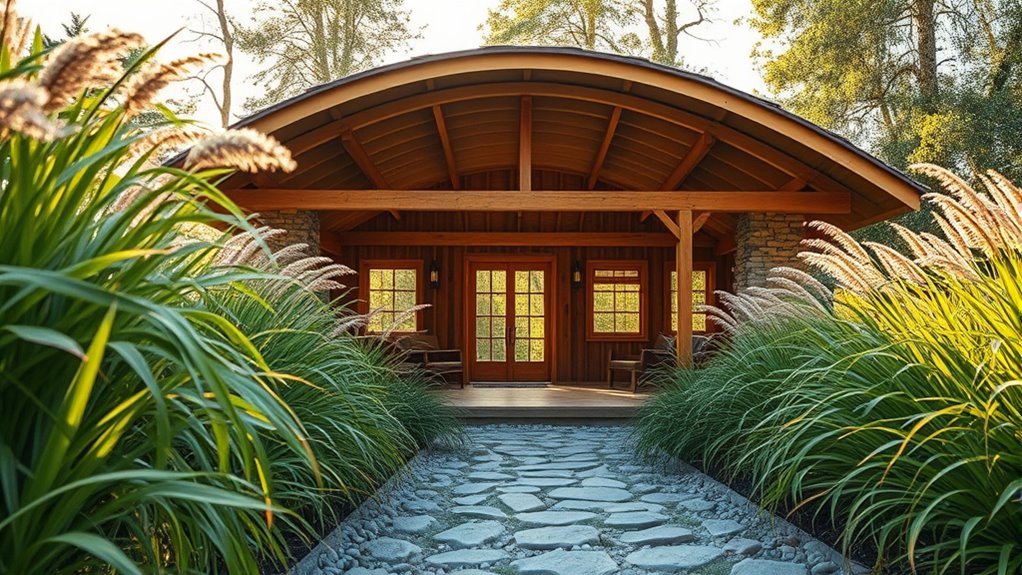
Is it true that a gazebo can provide warmth without relying heavily on traditional heating methods? By harnessing the principles of passive heating, you can create a cozy outdoor space that stays comfortable throughout the seasons. Understanding the right design elements and materials can make all the difference. Let’s explore how to optimize your gazebo for maximum sun exposure and thermal efficiency.
Understanding Passive Heating Principles
Passive heating is an innovative approach that harnesses natural energy to maintain comfortable temperatures without relying on mechanical systems. By utilizing passive solar principles, you can maximize the sun’s warmth during cooler months while minimizing heat loss. Focusing on thermal efficiency is key; materials with high thermal mass, like stone or concrete, absorb sunlight during the day and release it slowly at night. Strategic placement of windows allows for ideal sunlight penetration, enhancing heat gain while overhangs can shield from excessive summer heat. Incorporating insulating elements into your design further amplifies energy conservation, allowing you to enjoy your gazebo in comfort, free from the constraints of traditional heating methods. Embrace the natural elements, and let your space flourish sustainably.
Choosing the Right Location for Your Gazebo
Selecting the right location for your gazebo is pivotal to optimizing its passive heating capabilities. Begin with a thorough site assessment, evaluating sun exposure and wind patterns. Position your gazebo where it can harness maximum sunlight, ideally facing south or southwest, to capture those warm rays during colder months. Pay attention to environmental factors like surrounding trees or structures that could cast shadows or block breezes. Natural windbreaks can enhance comfort, but be wary of locations that could trap cold air. Consider the ground slope, as a slight elevation will help with drainage and prevent moisture buildup. By mindfully choosing your gazebo’s location, you’ll create a warm, inviting sanctuary that thrives on nature’s gifts.
Selecting Thermal Mass Materials
When it comes to maximizing the energy efficiency of your gazebo, the choice of thermal mass materials plays a crucial role. You’ll want to select materials that can absorb, store, and release heat effectively. Concrete, brick, and stone are ideal thermal mass material types due to their high density and heat retention capabilities. If you prefer a more natural aesthetic, consider using rammed earth or adobe, which not only provide excellent thermal mass but also connect your gazebo to the earth’s essence. Incorporating water features, like a thermal mass pond, can further enhance heat absorption. By strategically choosing your thermal mass materials, you’ll create a cozy, energy-efficient space that embraces nature while enjoying the freedom of a sustainable lifestyle.
Designing for Optimal Sunlight Exposure
How can you guarantee your gazebo captures the sun’s warmth throughout the day? Start by positioning it to maximize sunlight angles, ensuring it faces south in the northern hemisphere or north in the southern hemisphere. Consider the seasonal adjustments; the sun’s path shifts, and you’ll want your design to adapt. Incorporate large windows or open spaces on the sunniest sides, allowing light to flood in while trapping heat. Overhangs and awnings can provide shade during the peak summer months, preventing overheating but should be designed to let winter sun in. Use reflective surfaces strategically to bounce light deeper into the space. With thoughtful planning, your gazebo can become a warm haven, harmonizing with nature and your desire for freedom.
Implementing Effective Ventilation Strategies
While passive heating is essential, effective ventilation guarantees your gazebo remains comfortable year-round. To achieve this, design for natural airflow by strategically placing vents and openings. Consider using operable windows or louvered panels that allow you to adjust airflow based on the season. This not only promotes a revitalizing breeze but also aids in humidity control, preventing condensation and mold growth.
Incorporating a roof design that encourages hot air to escape can further enhance ventilation. For instance, a peaked roof can channel warm air upward, drawing in cooler air from below. Finally, consider installing ceiling fans to facilitate circulation. By balancing passive heating with these ventilation strategies, you’ll create an inviting and adaptable space that caters to your freedom-loving spirit.
Enhancing Comfort With Furnishings and Accessories
To elevate your passive heating gazebo’s comfort, consider incorporating cozy seating options that invite relaxation and warmth. Soft, insulated cushions can greatly enhance your experience, while the right warm lighting choices can create an inviting ambiance that complements the natural heat. By strategically selecting these furnishings and accessories, you’ll transform the space into a true retreat.
Cozy Seating Options
What makes a seating arrangement truly inviting in a passive heating gazebo? It’s all about comfort and style. Incorporating plush outdoor cushions not only enhances relaxation but also adds a pop of color. Positioning seating around a fire pit creates a cozy atmosphere, perfect for gatherings. Here’s a quick guide to help you choose the right options:
| Seating Type | Comfort Level | Best For |
|---|---|---|
| Lounge Chairs | High | Relaxation |
| Benches | Moderate | Group seating |
| Ottoman | High | Footrest & storage |
| Sectional Sofa | High | Family gatherings |
| Floor Cushions | Low | Casual lounging |
Choosing the right combination elevates your gazebo experience and guarantees warmth while enjoying the outdoors.
Warm Lighting Choices
Creating a warm and inviting atmosphere in your passive heating gazebo goes beyond just comfortable seating; lighting plays an essential role in enhancing the overall experience. Opt for ambient lighting to create a soothing glow that encourages relaxation. LED string lights or solar-powered lanterns not only add charm but also promote energy efficiency, allowing you to enjoy the space without guilt. Consider installing dimmable fixtures to adjust the intensity, catering to both intimate gatherings and lively celebrations. Incorporate warm-toned bulbs to evoke a cozy vibe that complements your furnishings. Layer your lighting with table lamps or wall sconces for added depth, ensuring every corner feels inviting. With the right choices, your gazebo becomes a sanctuary, effortlessly blending warmth and sustainability.
Frequently Asked Questions
What Are the Best Plants to Surround a Passive Heating Gazebo?
Surround your gazebo with the best companion plants like lavender and marigolds for pest control. Seasonal plant selection, such as vibrant annuals or hardy perennials, enhances aesthetics while improving microclimates, fostering a welcoming environment.
How Much Maintenance Does a Passive Heating Gazebo Require?
When it comes to maintenance, you’ve got to stay on your toes. Regular seasonal upkeep involves checking for wear, cleaning surfaces, and ensuring plants thrive. These maintenance tips will keep your gazebo in top shape!
Can I Use My Gazebo Year-Round?
Yes, you can use your gazebo year-round with proper gazebo insulation. Effective insulation minimizes heat loss in winter and keeps it cool in summer, ensuring a comfortable space for relaxation regardless of the season.
What Is the Cost Estimate for Building a Passive Heating Gazebo?
When you’re planning a passive heating gazebo, you’ll need a solid cost breakdown. Material selection from sustainable wood to thermal mass options could range from $5,000 to $15,000, depending on your design and features.
Are There Any Building Codes for Passive Heating Gazebos?
Yes, there’re building regulations for passive heating gazebos. You’ll need to guarantee compliance with local codes regarding structure, insulation, and heating efficiency. Checking these guidelines helps you maximize your design’s effectiveness and safety.