
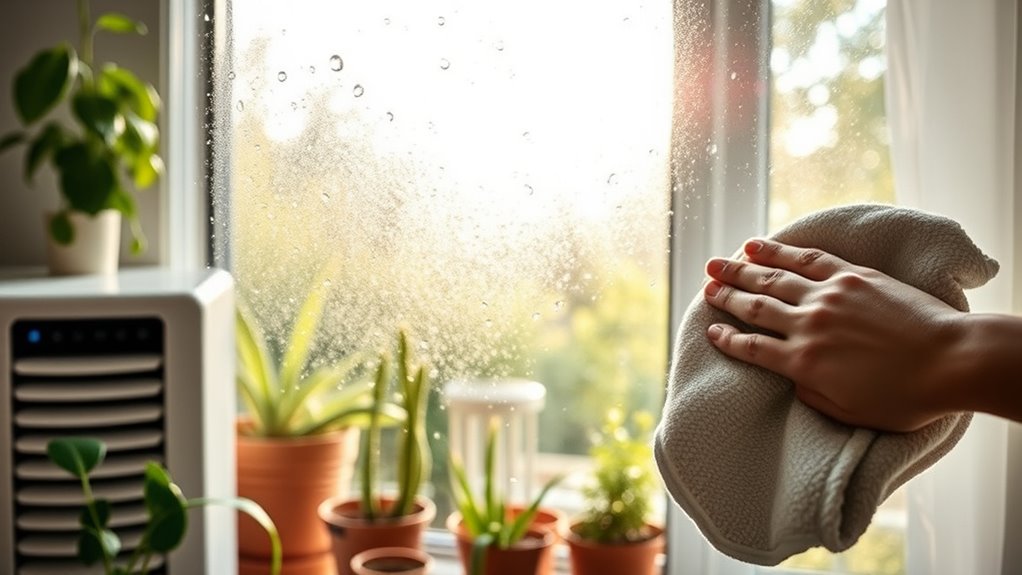
Condensation problems can lead to serious issues in your home, including mold growth and structural damage. To effectively tackle this, you need to identify the sources of humidity and enhance ventilation. It’s essential to implement specific strategies that target both prevention and remediation. As you consider these methods, you’ll find that managing indoor humidity levels is key to maintaining a comfortable environment. Let’s explore the most efficient approaches to address this issue.
Understanding the Causes of Condensation
Understanding the causes of condensation is essential for effectively addressing the problem in your home. Humidity sources, such as cooking, bathing, or even indoor plants, introduce moisture into the air. When this air meets colder surfaces, temperature differences create the perfect environment for condensation to form. Areas like windows, walls, and ceilings are particularly vulnerable. Recognizing these sources and how they interact with temperature variations allows you to pinpoint where condensation occurs. By understanding these dynamics, you can take informed steps to mitigate moisture buildup, thereby enhancing your home’s comfort and preserving its structural integrity.
Improving Home Ventilation
To reduce condensation effectively, improving home ventilation is essential. You can install exhaust fans in high-moisture areas like kitchens and bathrooms, which will help expel humid air. Additionally, opening windows regularly allows fresh air to circulate, further decreasing moisture levels indoors.
Install Exhaust Fans
While many homeowners overlook the importance of proper ventilation, installing exhaust fans can greatly reduce condensation problems. By selecting the right exhaust fan types—such as bath, kitchen, or whole-house fans—you’ll effectively expel humid air. Proper fan installation is essential; make sure they’re located strategically to maximize airflow and prevent moisture buildup. Consider incorporating timers or humidity sensors for automated operation, optimizing energy use while maintaining comfort. Regular maintenance is important for efficiency; clean filters and check for obstructions. By enhancing your home’s ventilation with exhaust fans, you’ll create a healthier environment and notably mitigate condensation issues.
Open Windows Regularly
Even with effective exhaust fans in place, opening windows regularly plays a vital role in improving home ventilation. By incorporating this practice into your daily routine, you allow fresh air to circulate, diluting indoor humidity and reducing condensation risks. Stagnant air can lead to mold growth, so letting in fresh air enhances air quality and comfort. Aim to open windows during low humidity periods, ideally early morning or late evening. This simple action not only promotes a healthier living environment but also empowers you to take control of your home’s atmosphere, ensuring a balance between indoor and outdoor air.
Using Dehumidifiers Effectively
To effectively combat condensation, selecting the right size dehumidifier for your space is essential, as an undersized unit won’t adequately reduce humidity levels. Additionally, ideal placement can enhance the dehumidifier’s efficiency, ensuring it operates in areas prone to moisture accumulation. By addressing these factors, you can considerably improve your home’s air quality and mitigate condensation issues.
Choosing the Right Size
Choosing the right size dehumidifier is essential for effectively managing condensation issues in your space. Proper sizing guarantees ideal performance, energy efficiency, and comfort. Here’s a quick reference table for size selection based on room size:
| Room Size (sq ft) | Recommended Capacity (pints/day) | Suggested Dehumidifier Size |
|---|---|---|
| 500 | 30 | Small |
| 1000 | 50 | Medium |
| 1500 | 70 | Large |
| 2000 | 90 | Extra Large |
| 2500 | 120 | Commercial |
Make informed choices to maintain a healthy environment!
Optimal Placement Strategies
When it comes to maximizing the effectiveness of your dehumidifier, understanding ideal placement can greatly influence performance. To achieve optimal room layout, consider the following strategies:
- Clear Airflow: Position your dehumidifier at least 12 inches away from walls and furniture to allow unobstructed airflow.
- Central Location: Place the unit in a central area of the room to maximize humidity extraction across the space.
- Avoid Heat Sources: Keep the dehumidifier away from radiators or heating vents, as excessive heat can hinder its efficiency.
Insulating Windows and Doors
While you may not realize it, inadequate insulation around windows and doors is a significant contributor to condensation problems in your home. To mitigate this, consider using window film and installing door sweeps. These solutions enhance thermal efficiency, preventing warm air from escaping and cold air from entering.
| Solution | Benefits | Installation Ease |
|---|---|---|
| Window Film | Reduces heat loss | Easy DIY |
| Door Sweeps | Blocks drafts | Simple install |
| Weather Stripping | Improves sealing | Moderate DIY |
| Insulated Curtains | Adds extra layer | Moderate install |
| Caulking | Seals gaps | Easy DIY |
Managing Indoor Humidity Levels
To effectively manage indoor humidity levels, it’s crucial to understand the impact of excessive moisture on your home’s environment. Implementing effective humidity control is key for moisture management. Here are three strategies you can apply:
Understanding and controlling indoor humidity is essential for a healthy home environment.
- Utilize Dehumidifiers: Invest in dehumidifiers to reduce moisture levels, particularly in areas prone to dampness.
- Ventilate Properly: Guarantee proper ventilation in bathrooms and kitchens to expel humid air efficiently.
- Monitor Humidity Levels: Use hygrometers to track indoor humidity, aiming for levels between 30-50% for ideal comfort and health.
Sealing Gaps and Cracks
Although moisture management is essential, sealing gaps and cracks in your home’s structure is equally important to prevent condensation issues. Effective gap sealing and crack filling can markedly reduce moisture ingress, thereby enhancing indoor air quality and comfort. Here’s a concise overview of materials used for these tasks:
| Material | Application |
|---|---|
| Caulk | Gaps around windows |
| Expanding Foam | Larger gaps and cracks |
| Sealant | Exterior walls |
| Weatherstripping | Doors and windows |
Regular Maintenance Tips
Regular maintenance is essential for preventing condensation issues in your home, as it assures systems function effectively and moisture levels remain manageable. To achieve this, consider implementing the following tips:
- Conduct regular inspections of your HVAC system to verify it’s operating efficiently.
- Perform seasonal adjustments to your thermostat settings to maintain an appropriate indoor climate.
- Clean and check gutters and downspouts regularly to prevent water buildup around your foundation.
When to Seek Professional Help
When should you consider calling in the experts for condensation problems? If you’re identifying symptoms like persistent moisture, mold growth, or peeling paint, it’s time to assess severity. These signs indicate underlying issues that may require professional intervention.
| Symptom | Possible Severity | Action Required |
|---|---|---|
| Persistent Moisture | Moderate to Severe | Consult a specialist |
| Mold Growth | Severe | Immediate professional help |
| Peeling Paint | Moderate | Inspect and assess needs |
Taking these steps can guarantee your space remains healthy and free from the detrimental effects of condensation.
Frequently Asked Questions
Can Plants Increase Indoor Humidity Levels and Cause Condensation?
Yes, indoor plants can increase humidity levels through transpiration, potentially leading to condensation. By managing humidity control effectively, you can enjoy the benefits of greenery without excessive moisture accumulation that might cause issues.
Is Condensation More Common in Winter or Summer Months?
Condensation’s a winter diva, thriving in that cozy, humid atmosphere. While summer’s heat may trick you into thinking otherwise, it’s winter humidity that orchestrates seasonal condensation, making your windows misty masterpieces. Embrace the moisture!
How Can I Tell if Condensation Is a Sign of Mold?
To identify mold from condensation symptoms, look for discoloration, a musty smell, or visible growth. If these signs accompany persistent moisture, it’s essential to assess the area for mold identification and address the underlying issue.
Will Opening Windows Help Reduce Condensation in Cold Weather?
Yes, opening windows can help reduce condensation by allowing window ventilation. Cold air enters, lowering indoor humidity levels. However, balance is key; excessive cold air can lead to discomfort, so monitor temperatures carefully.
Can Carpets and Fabrics Contribute to Indoor Humidity Issues?
Absolutely, carpets and various fabric types can trap moisture, acting like sponges in your home. Certain carpet materials, especially synthetic ones, can exacerbate indoor humidity, stifling your space and limiting the freedom of fresh air.