
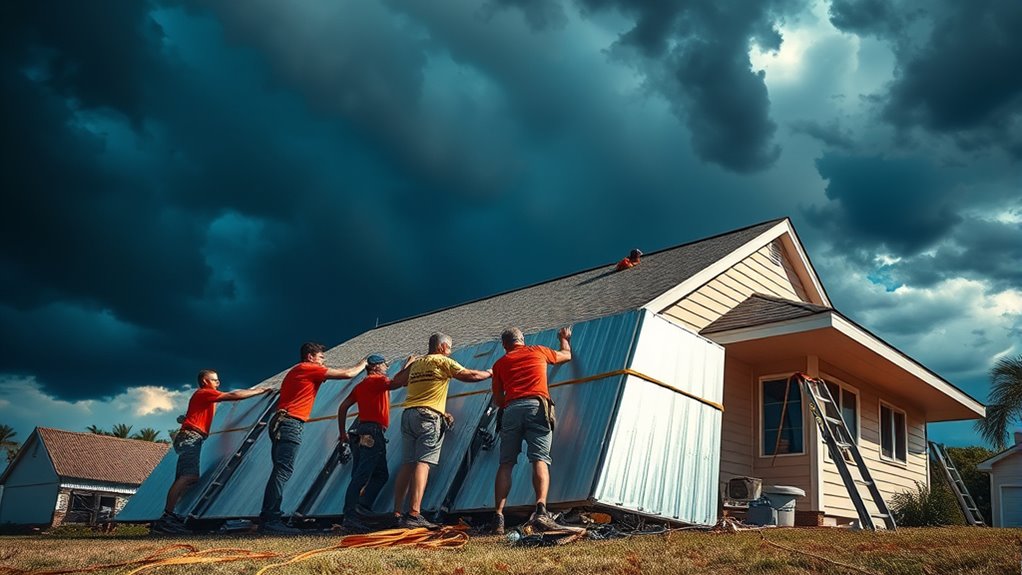
Many homeowners believe that storm panels are just an added expense, but their effectiveness in protecting your property during severe weather is well-documented. When you consider the potential damage from high winds and flying debris, investing in heavy storm panels becomes a logical decision. However, the installation process requires careful planning and execution. Are you prepared to guarantee your home is adequately protected? Let’s explore the key steps involved.
Understanding the Importance of Heavy Storm Panels
When severe weather strikes, having heavy storm panels can make a significant difference in protecting your home. These panels provide a robust barrier against high winds, flying debris, and torrential rain, reducing the risk of window breakage and structural damage. One of the key storm panel benefits is their ability to enhance your home’s resilience, ensuring you’re better prepared for unexpected storms. Additionally, installing storm panels allows you to maintain peace of mind during severe weather events. They’re typically easy to deploy, which makes storm preparedness efficient and practical. With heavy storm panels, you’re not just safeguarding your property; you’re also taking an active step towards ensuring your family’s safety and security when nature reveals its fury.
Choosing the Right Storm Panels for Your Home
Choosing the right storm panels for your home is essential, as the effectiveness of your storm protection hinges on the materials and specifications you select. Start by considering panel materials; options include aluminum, steel, and polycarbonate, each offering different levels of durability and weight. Aluminum panels are lightweight and easy to handle, while steel panels provide maximum strength. Next, evaluate installation factors, such as your home’s architecture and the panel’s attachment system. Make sure panels fit securely to withstand high winds and debris impact. Don’t forget to check local building codes for any specific regulations regarding storm panel installation. Ultimately, selecting the right combination of materials and installation methods will guarantee your home remains safe and resilient during severe weather events.
Tools and Materials Needed for Installation
To successfully install heavy storm panels, you’ll need a few essential tools and materials. Start with the panel materials, typically made of aluminum or polycarbonate, ensuring they’re rated for your area’s storm conditions. You’ll also need a measuring tape, level, and power drill to secure the panels effectively. Don’t forget anchors and screws that match your wall type; these are vital for a stable installation. A sturdy ladder can help you reach higher windows, while safety goggles and gloves protect you during the process. Familiarize yourself with proper installation techniques, like securing panels tightly and checking for any gaps. Having everything ready will streamline the installation and give you the peace of mind you deserve against severe weather.
Preparing Your Windows and Doors
Before installing the heavy storm panels, it’s important to prepare your windows and doors properly. Begin with window preparation by cleaning the glass and removing any screens or obstructions. Inspect the frames for damage, guaranteeing they’re structurally sound. Use caulk to seal any gaps, as this enhances stability.
Next, focus on door reinforcement. Check the hinges and locks, tightening any loose screws. If necessary, consider installing additional deadbolts or a security bar for extra strength. Verify the door frames are free from rot or decay, as this could compromise the storm panels’ effectiveness. By meticulously preparing your windows and doors, you’ll guarantee they provide maximum protection during severe weather, allowing you to maintain your freedom and peace of mind.
Step-by-Step Installation Process
Before starting the installation, you’ll need to gather the required tools and materials, such as a power drill, measuring tape, and the storm panels themselves. It’s essential to follow safety precautions, like wearing gloves and goggles, to protect yourself during the installation process. With everything prepared, you can now proceed to the step-by-step installation.
Required Tools and Materials
Having the right tools and materials is essential for a successful installation of heavy storm panels. Proper material selection and effective installation techniques guarantee your panels will stand up to severe weather. Here’s what you need:
- Heavy Storm Panels: Choose panels made of durable materials like aluminum or polycarbonate.
- Mounting Hardware: Get the appropriate brackets, screws, and anchors designed for your panel type.
- Drill and Drill Bits: A power drill will help you secure the panels effectively; select bits based on your wall material.
- Safety Gear: Don’t forget gloves, goggles, and a hard hat to protect yourself during the installation.
With these tools and materials, you’re well on your way to securing your home against heavy storms!
Installation Safety Precautions
Once you’ve gathered your tools and materials, it’s crucial to prioritize safety throughout the installation process. Start by wearing appropriate safety gear, including gloves, goggles, and a hard hat, to protect yourself from potential hazards. Be aware of installation risks, such as falling debris or sharp edges, especially when handling heavy storm panels. Confirm your work area is clear and well-lit, minimizing tripping hazards. If you’re using ladders, make sure they’re stable and positioned on even ground. Additionally, consider having a buddy assist you; not only does it make the job easier, but it enhances safety. Finally, always follow the manufacturer’s guidelines for installation to prevent accidents and guarantee the storm panels perform effectively. Stay vigilant and safe!
Securing and Maintaining Your Storm Panels
While the installation of heavy storm panels is essential for safeguarding your home, securing and maintaining them properly is equally important to guarantee their effectiveness during severe weather conditions. Regular panel maintenance guarantees your storm preparedness and boosts your home’s resilience. Here are four key steps to contemplate:
- Inspect Regularly: Check for any damage or wear on panels and hardware at least twice a year.
- Clean Thoroughly: Remove dirt and debris to prevent corrosion and guarantee a tight seal.
- Secure Fasteners: Tighten bolts and screws to maintain a strong connection between panels and the structure.
- Store Properly: When not in use, store panels in a dry, cool place to prevent warping or damage.
Tips for Post-Installation Safety and Readiness
After installing your storm panels, it’s essential to inspect them regularly for any signs of wear or damage to guarantee they function properly when needed. Additionally, creating an emergency preparedness checklist can help you stay organized and ready for severe weather. By taking these proactive steps, you can enhance your safety and readiness during storm season.
Inspect Panels Regularly
Regular inspections of your heavy storm panels are essential for guaranteeing they remain effective and ready for use. Establishing an inspection schedule will help you catch any issues early, minimizing panel wear. Here’s a practical checklist:
- Visual Check: Look for cracks, dents, or corrosion on the panels.
- Fasteners: Verify all bolts and screws are tight and intact.
- Seal Integrity: Inspect seals for wear or gaps that could allow moisture in.
- Functionality: Test the ease of installation and removal to confirm they still fit properly.
Emergency Preparedness Checklist
To guarantee your heavy storm panels are ready for action when you need them most, it’s crucial to develop a thorough emergency preparedness checklist right after installation. Start by ensuring all panels are securely fastened and free from debris. Regularly check your weather forecasts to stay ahead of potential storms. Schedule emergency drills to familiarize your family with panel deployment and safety protocols. Keep essential tools, like a screwdriver and protective gear, easily accessible. Make sure your emergency kit is stocked with food, water, first aid supplies, and flashlights. Finally, establish a communication plan to keep everyone informed during severe weather events. By following this checklist, you’ll enhance your readiness and protect your freedom during storms.
Frequently Asked Questions
How Long Does It Take to Install Heavy Storm Panels?
Installation time for heavy storm panels varies, typically ranging from one to four hours, depending on panel types and your experience. Proper preparations and tools can streamline the process, ensuring your safety and protection against storms.
Can I Install Storm Panels Myself, or Should I Hire a Professional?
Think of DIY installation like assembling a complex puzzle; it’s rewarding but requires patience. If you’re confident in your skills, go for it! Otherwise, professional assistance guarantees safety and efficiency during storm preparation.
What Are the Costs Associated With Heavy Storm Panel Installation?
The installation expenses for heavy storm panels vary widely, typically ranging from $1,500 to $3,500. Don’t forget to factor in panel maintenance costs, as regular upkeep guarantees peak performance and longevity of your investment.
Are There Any Building Codes or Regulations for Storm Panel Installation?
Yes, there’re specific building codes and installation guidelines for storm panel installation. Confirm you check local regulations to maintain building safety. Following these standards helps protect your property and guarantees compliance with necessary legal requirements.
How Do I Store Storm Panels When Not in Use?
For proper storm panel storage, guarantee panels are clean and dry. Stack them horizontally in a cool, dry place, avoiding direct sunlight. Use separators to prevent scratches, maintaining their integrity for future use.