
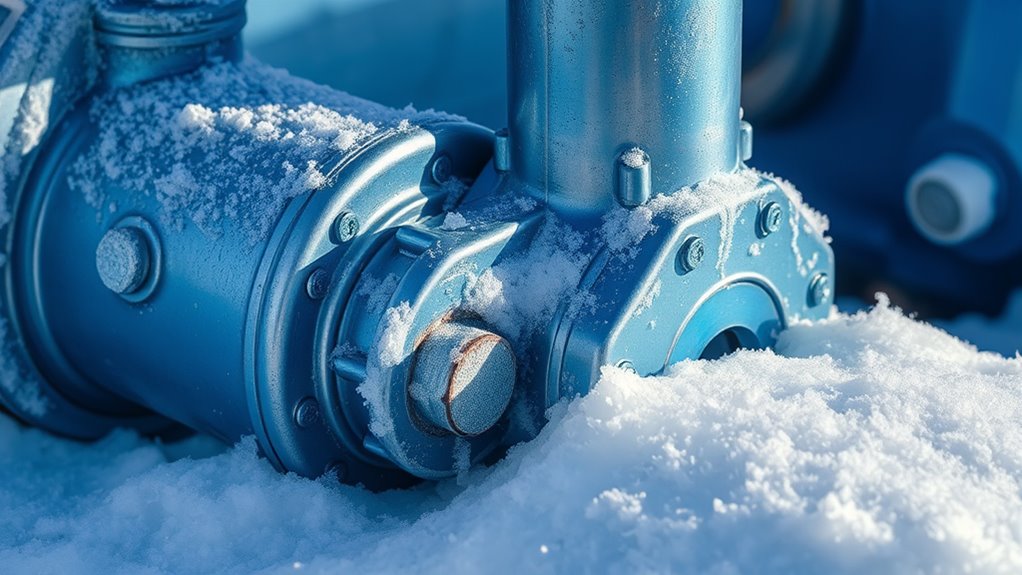
When working with metal joints in cold weather, it’s essential to understand how low temperatures affect structural integrity. Thermal contraction can lead to significant stress and potential fatigue in joints. Selecting the right materials and employing advanced fastening methods can mitigate these risks. However, without proper surface preparation and regular maintenance, even the best strategies can fall short. Exploring these aspects can reveal effective solutions for enhancing durability in harsh environments.
Understanding the Impact of Cold Weather on Metal Joints
When temperatures plummet, understanding how cold weather affects metal joints becomes crucial for maintaining structural integrity. Cold-induced thermal contraction leads to reduced spacing within joints, increasing stress and potentially causing joint fatigue. This fatigue results from repetitive cycles of contraction and expansion, which can weaken connections over time. You should assess potential weak points in your structures, as metal’s response to temperature fluctuations can compromise performance. Regular inspections and adjustments are essential to guarantee that joints remain secure under extreme conditions. By recognizing these effects, you can take proactive steps to preserve the durability and resilience of your metal structures.
Selecting the Right Materials for Cold Weather Applications
Selecting the appropriate materials for cold weather applications is essential to ensuring the longevity and reliability of metal joints. To make informed choices, consider these critical factors:
- Material Properties: Choose materials with high tensile strength and low brittleness to withstand cold stresses.
- Thermal Expansion: Opt for materials with compatible thermal expansion coefficients to minimize joint failure from temperature fluctuations.
- Corrosion Resistance: Use coatings or alloys that resist corrosion, as cold weather can exacerbate material degradation.
Innovative Fastening Methods to Enhance Joint Strength
When reinforcing metal joints for cold weather, you need to contemplate advanced welding techniques and high-strength fastener solutions. These methods considerably enhance joint strength, ensuring durability under extreme conditions. Understanding their application will help you achieve reliable performance in your projects.
Advanced Welding Techniques
As temperatures drop, the integrity of metal joints becomes critical, necessitating the adoption of advanced welding techniques to enhance joint strength. You can optimize your welding process through:
- Laser Welding: This method offers precision and minimal heat input, reducing distortion and improving joint integrity.
- Arc Welding: Ideal for thicker materials, arc welding provides excellent penetration, ensuring robust connections.
- Hybrid Techniques: Combining laser and arc welding can leverage the strengths of both methods, resulting in superior joint performance.
High-Strength Fastener Solutions
Advanced welding techniques greatly enhance joint strength, but the choice of fasteners can further optimize structural integrity in cold weather conditions. High strength bolts are critical for maintaining tension control, guaranteeing joints remain secure under varying thermal stresses. By utilizing advanced fastening methods, you can effectively resist fatigue and prevent joint failure. Consider incorporating innovative designs, such as friction grip bolts, which provide enhanced load distribution. Additionally, proper installation techniques, including pre-tensioning, are essential for maximizing performance. By prioritizing high-strength fasteners, you guarantee your structures can withstand harsh environments while maintaining the freedom and reliability you desire in your projects.
Proper Surface Preparation Techniques
To guarantee effective bonding in cold weather, you need to focus on proper surface preparation techniques. This includes selecting appropriate surface cleaning methods that eliminate contaminants and considering temperature factors that may affect adhesion. By addressing these elements, you’ll enhance the strength and durability of metal joints.
Surface Cleaning Methods
Proper surface preparation is critical for ensuring the integrity of metal joints, especially in cold weather conditions. Effective cleaning techniques remove contaminants that could compromise adhesion. Here are three essential methods you should consider:
- Mechanical Cleaning: Use wire brushes or grinders to remove rust and scale.
- Chemical Cleaning: Apply solvents or degreasers to eliminate oils and residues.
- Abrasive Blasting: Utilize sandblasting to achieve a clean, rough surface for better bonding.
Temperature Considerations
While temperature plays a crucial role in the effectiveness of surface preparation techniques, understanding its impact on metal joint integrity is essential, especially in cold weather. Proper preparation minimizes issues related to thermal expansion and enhances frost resistance.
| Temperature Range | Surface Preparation Technique | Effect on Joint Integrity |
|---|---|---|
| Below 32°F | Mechanical Abrasion | Enhances bond strength |
| 32°F – 50°F | Chemical Cleaning | Reduces contamination |
| Above 50°F | Standard Cleaning | Ideal adhesion achieved |
Insulating Solutions to Protect Metal Joints
As temperatures drop, insulating solutions become essential for protecting metal joints from the damaging effects of cold weather. You need to choose the right insulation types to guarantee effective joint protection. Consider these options:
- Foam Insulation: Offers excellent thermal resistance and is lightweight.
- Reflective Insulation: Reduces heat loss by reflecting thermal radiation, ideal for metal surfaces.
- Fiberglass Insulation: Provides durable and effective thermal insulation, though it requires careful handling.
Regular Maintenance and Inspection Practices
To guarantee metal joints withstand the rigors of cold weather, regular maintenance and inspection practices are essential. You should conduct routine checks to identify signs of wear, corrosion, or misalignment before they escalate into significant issues. Implementing proactive measures, such as tightening loose bolts and applying protective coatings, can enhance joint integrity. Schedule inspections at least biannually, focusing on high-stress areas susceptible to temperature fluctuations. Document findings meticulously to track changes over time, ensuring informed decisions on repairs or reinforcements. By prioritizing these practices, you’ll extend the lifespan of metal joints and maintain performance in harsh conditions.
Case Studies: Successful Reinforcement Strategies in Cold Climates
Understanding how effective reinforcement strategies have been implemented in cold climates can provide valuable insights for future applications. Here are three notable case studies:
- Bridge Reinforcement: A northern bridge utilized composite materials to combat joint fatigue from temperature fluctuations, enhancing structural integrity.
- Warehouse Structures: Insulated metal joints were retrofitted in a cold-storage facility, minimizing thermal expansion issues and maintaining performance.
- Pipeline Systems: Flexible joint designs were employed in oil pipelines, reducing stress from extreme temperature variations and preventing failure.
These strategies highlight the importance of tailored solutions to withstand cold climate challenges effectively, ensuring longevity and reliability in critical infrastructures.
Frequently Asked Questions
What Is the Ideal Temperature for Assembling Metal Joints in Cold Weather?
The ideal temperature for assembling metal joints is above 32°F (0°C). Following specific temperature guidelines and employing proper assembly techniques guarantees maximum joint integrity and performance, even under challenging cold weather conditions.
How Do Metal Joint Failures Differ in Cold Versus Warm Climates?
Metal joint failures in cold climates can be catastrophic, while warm temperatures can lead to fewer issues. Temperature effects on joint materials cause brittleness in cold, demanding meticulous attention to detail during assembly and maintenance.
Can Heating Elements Be Used to Maintain Joint Integrity During Assembly?
Yes, heating methods can enhance joint integrity during assembly. By carefully applying heat to joint materials, you can mitigate stress and guarantee proper alignment, ultimately improving the overall durability and performance of the assembly.
What Are the Signs of Metal Joint Fatigue in Cold Conditions?
Imagine a bridge in winter; you might notice visible cracks or increased joint stress. Fatigue indicators like unusual noises, misalignment, or surface wear can signal potential failure, urging you to inspect the joints before serious issues arise.
Are There Specific Coatings to Prevent Corrosion in Cold Weather Applications?
Yes, using corrosion inhibitors and protective coatings specifically designed for cold weather can greatly enhance metal durability. These coatings create a barrier against moisture, reducing the risk of corrosion and extending the lifespan of your metal components.