
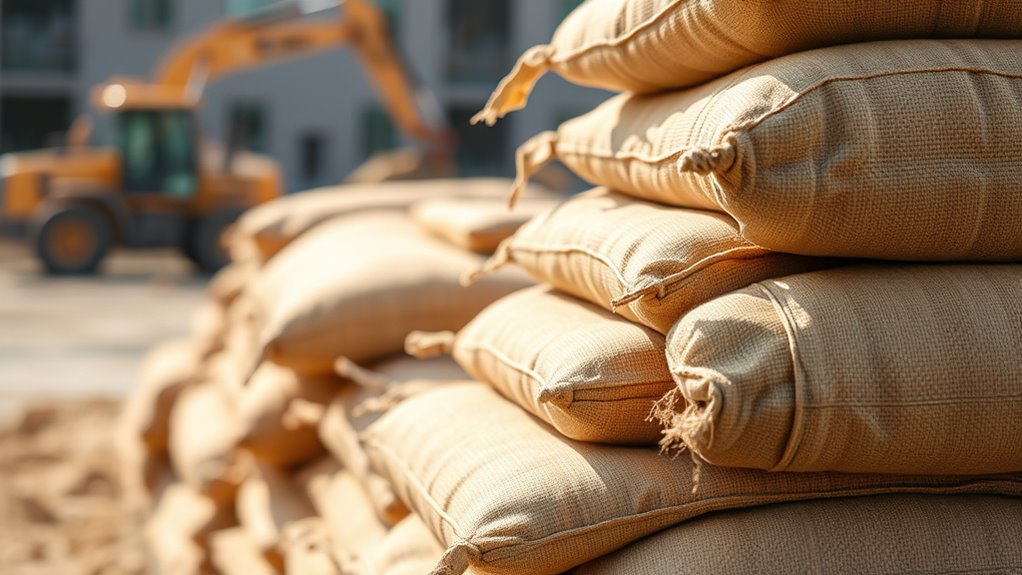
You might find it coincidental that sandbags, often seen as basic emergency tools, play an essential role in enhancing stability across various applications. Their effectiveness hinges on proper techniques for stacking and filling, which can greatly impact their performance. Understanding how to utilize sandbags effectively can be the difference between a stable structure and a compromised one. Exploring these methods can provide you with valuable insights into their practical applications.
Understanding the Purpose of Sandbags
While you might think of sandbags primarily as tools for flood prevention, their applications extend far beyond that singular purpose. Historically, sandbags have been used in military and construction settings, providing foundational stability and erosion control. Their weight and adaptability make them ideal for reinforcing structures or creating barriers in various environments. Furthermore, sandbag applications include mitigating soil erosion, supporting temporary structures, and even enhancing landscaping designs. Understanding the multifaceted roles of sandbags allows you to utilize them effectively, ensuring not just flood defense but also structural integrity and environmental protection in your projects.
Choosing the Right Type of Sandbag
When selecting sandbags, you need to evaluate the material for durability, as different fabrics offer varying resistance to wear and weather conditions. Additionally, the size and weight of the sandbags play an essential role in their effectiveness and ease of handling. Understanding these factors will help you choose the most suitable sandbag for your specific stability needs.
Material Considerations for Durability
Choosing the right type of sandbag is essential for ensuring durability in various applications. Your material selection directly impacts sandbag longevity, so consider options like polypropylene or burlap. Polypropylene bags are water-resistant and UV-stabilized, making them ideal for outdoor use. On the other hand, burlap is biodegradable and environmentally friendly, but it may not withstand harsh conditions as effectively. Assess your specific needs and environment to select a material that balances durability and practicality. Remember, the right choice can enhance stability while extending the life of your sandbags, providing long-term value and reliability for your projects.
Size and Weight Options
Selecting the right size and weight of sandbags is essential for maximizing their effectiveness in various applications. Here are key size considerations and weight comparisons to keep in mind:
- Small (10-15 lbs): Ideal for lightweight barriers and temporary uses.
- Medium (20-25 lbs): Suitable for moderate stability needs, balancing ease of handling and effectiveness.
- Large (30-40 lbs): Best for heavy-duty applications, providing robust support in challenging environments.
Choosing the appropriate sandbag size and weight guarantees peak performance, allowing you to freely adapt to different situations without compromising stability or ease of use.
Proper Filling Techniques for Maximum Stability
To achieve maximum stability with sandbags, it’s essential to understand the proper filling techniques that enhance their effectiveness. Using appropriate filling materials guarantees your sandbags perform at their best. Consider the table below for guidance:
| Filling Material | Technique |
|---|---|
| Sand | Fill to 2/3 full |
| Gravel | Compact firmly |
| Soil | Mix with water |
| Mulch | Leave air gaps |
Using Sandbags in Emergency Situations
In emergency situations, sandbags can play an essential role in preventing water damage and controlling erosion. Effective emergency preparedness involves strategic placement and usage of sandbags for flood prevention. Here are three key actions you can take:
- Identify Vulnerable Areas: Assess your property for potential flood zones and prioritize those areas.
- Stack Properly: Create a sturdy barrier by stacking sandbags in staggered rows, ensuring stability against water flow.
- Seal Gaps: Fill any gaps between bags with smaller bags or soil to enhance the barrier’s effectiveness.
Sandbags for Outdoor Equipment Support
While many people associate sandbags primarily with flood prevention, they can also provide valuable support for outdoor equipment. Effective sandbag placement strategies can enhance outdoor equipment protection against wind, shifting ground, or unexpected weather changes. Here’s a concise overview of how to use sandbags effectively:
| Equipment Type | Placement Strategy | Benefits |
|---|---|---|
| Tents | Secure corners with bags | Increases stability |
| Canopies | Weight down edges | Prevents uplift |
| Patio Furniture | Anchor legs | Reduces movement |
| Grills | Surround base | Protects from tipping |
| Portable Generators | Stabilize on uneven ground | Guarantees proper function |
Utilizing these strategies can greatly enhance your outdoor setup’s durability.
Creating Barriers With Sandbags
Sandbags aren’t just beneficial for stabilizing outdoor equipment; they can also be instrumental in creating effective barriers. To maximize barrier effectiveness, consider these guidelines for sandbag placement:
Sandbags are essential for creating effective barriers, providing stability and protection against water and debris.
- Layering: Stack sandbags in layers, staggering them to enhance stability and prevent water from breaching.
- Height: Aim for a height that’s sufficient to redirect water flow or block debris, typically at least three bags high.
- Sealing: Guarantee each bag is tightly packed and sealed to minimize gaps, which can compromise the barrier’s integrity.
Enhancing Landscape Stability With Sandbags
When you’re looking to enhance landscape stability, incorporating sandbags can be a practical solution to mitigate erosion and manage soil displacement. Sandbags effectively create barriers that slow water runoff, allowing for better soil retention. By strategically placing sandbags along slopes or areas prone to landscape erosion, you can greatly reduce the risk of soil loss during heavy rains. Additionally, they can be filled with soil or gravel for added weight and stability, providing a customizable approach to your landscape needs. This method not only protects your property but also promotes a healthier ecosystem by maintaining the integrity of your soil.
Sandbags in Construction Projects
Incorporating sandbags into construction projects can greatly enhance site stability and safety. However, it’s essential to weigh their sandbag advantages and disadvantages:
- Advantages: They offer quick deployment, cost-effectiveness, and versatility across various terrains.
- Disadvantages: Sandbags can be labor-intensive to move, may degrade over time, and can attract pests if not maintained properly.
- Best Uses: Utilize sandbags for erosion control, temporary barriers, or weight support during important phases of construction.
Best Practices for Storing Sandbags
To guarantee the longevity and effectiveness of sandbags, it’s essential to store them under ideal conditions. This means keeping them in a dry, cool environment and utilizing proper stacking techniques to prevent damage. By following these guidelines, you’ll maintain their structural integrity and readiness for use.
Ideal Storage Conditions
Although sandbags are essential for flood control and stabilization, their effectiveness diminishes considerably if not stored properly. To maintain ideal condition, adhere to these ideal storage conditions:
- Humidity: Keep storage areas at ideal humidity levels (35-50%) to prevent mold and degradation.
- Temperature Control: Store sandbags in a temperature-controlled environment, ideally between 60°F and 75°F, to mitigate material breakdown.
- Protection from Elements: Verify bags are shielded from direct sunlight and moisture, as exposure can compromise their integrity.
Proper Stacking Techniques
Proper stacking techniques are essential for maintaining the integrity and accessibility of sandbags during storage. To enhance stability, guarantee bags are stacked in a pyramidal formation, with wider bases at the bottom. Avoid overloading any layer; this prevents crushing and promotes even weight distribution. Interlace bags for added stability enhancement, allowing for better weight distribution and preventing slippage. Regularly inspect your stacks, adjusting as necessary to maintain structural integrity. When removing bags, always take from the top to avoid destabilizing the stack. Following these guidelines guarantees your sandbags remain effective and readily accessible during emergencies.
Frequently Asked Questions
Can Sandbags Be Reused After Initial Use?
Yes, you can reuse sandbags after initial use, provided you maintain them properly. Store them in a dry place to prevent degradation, ensuring they remain effective for your future needs. Proper maintenance is key to longevity.
How Long Do Sandbags Last Outdoors?
Sandbags typically last outdoors for several months, depending on their durability and weather resistance. Factors like exposure to UV rays and moisture can greatly impact their lifespan, so regular inspection is vital for peak performance.
Are There Eco-Friendly Alternatives to Traditional Sandbags?
Yes, there’re biodegradable options like coir and hemp that provide sustainable materials for stability. These alternatives not only lessen environmental impact but also offer effective solutions for erosion control and flood management, ensuring your freedom from traditional constraints.
What Is the Best Way to Dispose of Old Sandbags?
You should consider local disposal methods for old sandbags, such as landfill options or sandbag recycling programs. Proper disposal not only prevents environmental harm but also contributes to sustainable practices in your community.
Can Sandbags Be Used in High Winds?
Yes, sandbags can be effective in high winds, offering substantial wind resistance. However, their effectiveness diminishes if not properly secured, so make certain they’re stacked correctly to maximize stability and prevent displacement during severe conditions.