
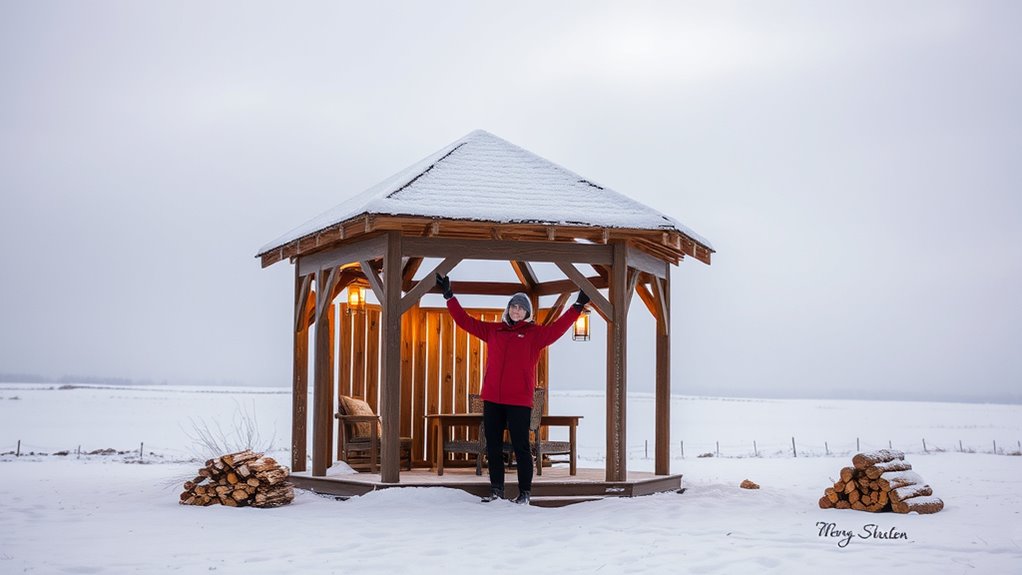
Imagine spending a cozy night under the stars, sheltered in a well-equipped gazebo during winter camping. To make that vision a reality, you need to take into account a few crucial aspects. From choosing the right materials to finding the perfect location, every detail matters. So, how do you guarantee your setup can withstand the harsh elements while keeping you comfortable? Let’s explore the essentials to create your ideal winter retreat.



Choosing the Right Gazebo for Winter Conditions
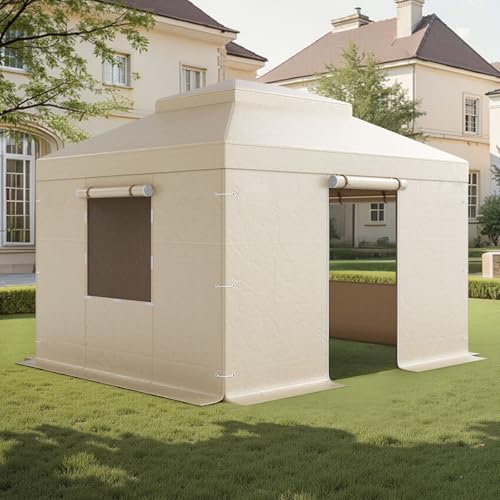
When it comes to choosing the right gazebo for winter camping, what factors should you consider to guarantee comfort and safety? First, look for sturdy winter materials that can withstand harsh conditions. Opt for fabrics like ripstop nylon or heavy-duty polyester, which offer excellent weather resistance against snow and wind. Ascertain the frame is made of durable materials like aluminum or steel to prevent collapse under heavy snow loads. Additionally, check for features like reinforced seams and waterproof coatings. A well-constructed gazebo will not only provide shelter but also enhance your winter camping experience, letting you embrace the great outdoors freely.
Selecting an Ideal Location for Setup
Selecting the right spot for your gazebo can make all the difference in your winter camping experience. Start with a thorough site assessment, keeping in mind the terrain and potential hazards. Look for natural windbreaks, like trees or hills, to shield you from harsh conditions. Weather considerations are critical; avoid low-lying areas where cold air settles.
| Factor | Ideal Location |
|---|---|
| Wind Protection | Near trees/hills |
| Drainage | Elevated ground |
| Sun Exposure | South-facing area |
| Accessibility | Close to facilities |
Choose wisely, and enjoy your winter retreat!
Preparing the Ground and Anchoring the Gazebo
Before you set up your gazebo, it’s essential to prepare the ground properly to guarantee stability and safety. Start by clearing away any debris, rocks, or sharp objects that could damage the gazebo flooring. Level the area as much as possible to avoid uneven surfaces. Next, consider using ground stakes or anchors specifically designed for winter conditions to secure your gazebo firmly. This enhances gazebo stability against wind and snow loads. If the ground is particularly soft, you might also use ground mats to distribute weight. With solid ground preparation, you’re well on your way to a successful winter camping experience!
Insulating the Gazebo for Warmth
With your gazebo securely anchored, the next step is to focus on insulation to keep you warm during those chilly nights. Start by installing insulation panels along the walls; these will help trap heat effectively. Don’t forget about the windows—adding thermal curtains can greatly reduce heat loss while providing privacy. Choose materials that are lightweight and easy to set up, so you can adjust them as needed. Layering your insulation will create a cozy environment, allowing you to embrace the freedom of winter camping without sacrificing comfort. Enjoy the beauty of nature while staying snug inside your well-insulated gazebo!
Enhancing Comfort and Utility Inside the Gazebo
Although winter camping can be exhilarating, enhancing comfort and utility inside your gazebo is essential for a pleasant experience. To create a cozy atmosphere, consider adding cozy furnishings like cushions and blankets. You’ll also need effective heating options to keep the chill at bay.
Here’s a quick guide to help you:
| Cozy Furnishings | Heating Options |
|---|---|
| Plush seating | Portable heaters |
| Warm rugs | Propane heaters |
| Soft lighting | Electric blankets |
| Insulated walls | Fire pits |
| Decorative elements | Heated sleeping bags |
With these additions, your gazebo will be a winter retreat!
Frequently Asked Questions
Can I Use a Regular Gazebo for Winter Camping?
You can use a regular gazebo for winter camping, but it needs good insulation. Think of it as your cozy retreat amidst snowy landscapes; with proper camping insulation, you’ll enjoy the freedom of winter adventures.
How Do I Prevent Snow Accumulation on the Gazebo?
To prevent snow accumulation on your gazebo, regularly perform snow removal and consider adding gazebo insulation. This combination keeps the structure stable and enhances your winter camping experience, allowing you to enjoy the outdoors comfortably.
What Additional Gear Do I Need for Winter Camping?
You’ll need thermal sleeping bags, insulated clothing, and sturdy boots to stay warm. Don’t forget a reliable stove and extra fuel for cooking. Staying cozy lets you embrace the freedom of winter camping without worries!
Are There Specific Winter Camping Safety Tips?
Always carry winter first aid supplies, dress in layers, and monitor for frostbite prevention. Keep moving to stay warm, stay hydrated, and be aware of your surroundings to guarantee a safe, enjoyable winter camping experience.
How Can I Keep My Food From Freezing?
To keep your food from freezing, use insulated containers and wrap them in thermal blankets. This’ll help maintain warmth and keep your meals ready for enjoyment, ensuring you stay fueled during your winter adventures.