
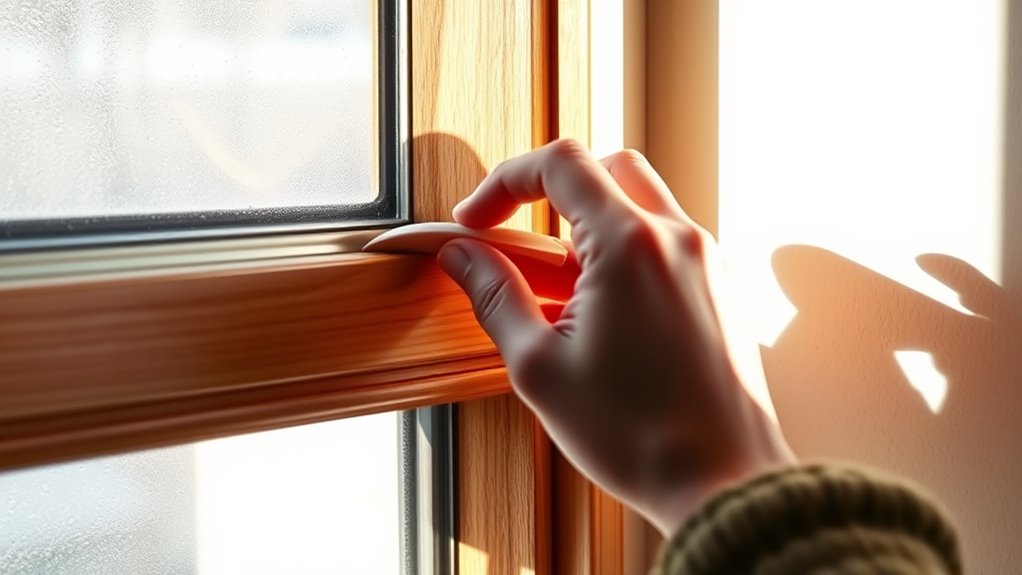
Sealing panel gaps is an essential step in ensuring your home stays warm and energy-efficient. By addressing even the smallest openings around windows and doors, you can greatly reduce drafts and heat loss. It’s not just about comfort; it’s about creating a healthier living environment too. If you’re unsure where to start or which tools you’ll need, the following sections will guide you through the process effectively.



Understanding the Importance of Sealing Panel Gaps
When it comes to maintaining a comfortable home environment, sealing panel gaps is often overlooked, yet it plays an essential role in energy efficiency. These gaps can let drafts in, making your heating system work overtime and driving up energy bills. By sealing them, you not only enhance home comfort but also reduce energy waste. This simple task can prevent heat loss, allowing you to enjoy a cozy atmosphere without the constant chill. Remember, a well-sealed home isn’t just about warmth; it’s about creating a space where you can feel free and relaxed, while also being mindful of your energy consumption.
Identifying Common Panel Gaps in Your Home
Although it might seem like a minor issue, identifying common panel gaps in your home is essential for maintaining energy efficiency. Start by examining different panel types, like drywall, siding, and ceilings. Pay close attention to areas where panels meet—corners, windows, and doors often harbor gaps. Consider typical gap sizes; anything over 1/8 inch can cause drafts and heat loss. Check for gaps in insulation and around electrical outlets too. By pinpointing these vulnerabilities, you can take proactive steps to seal them, enhancing your home’s warmth and comfort while reducing energy costs. Your freedom from chilly drafts starts with awareness.
Tools and Materials Needed for Sealing
To effectively seal panel gaps, you’ll need a few essential tools and materials that make the job both efficient and straightforward. Here’s a quick tools overview to guide your material selection:
- Caulk Gun: For applying sealant smoothly and evenly.
- Weatherstripping: Flexible material that fills gaps and prevents drafts.
- Utility Knife: For cutting materials to size with precision.
- Measuring Tape: Guarantees accurate measurements for a snug fit.
Having these items on hand will empower you to tackle those gaps effectively, letting you enjoy a cozier, more energy-efficient home.
Step-by-Step Guide to Sealing Panel Gaps
Sealing panel gaps is a straightforward process that can greatly improve your home’s warmth and energy efficiency. Start by cleaning the gaps thoroughly. Next, choose your gap filling material—foam, caulk, or weather stripping. Apply the selected insulation techniques evenly, guaranteeing no gaps remain. Finally, check for any air leaks by running your hand along the seams.
| Step | Action | Tips |
|---|---|---|
| 1 | Clean the gaps | Use a vacuum or cloth |
| 2 | Choose material | Consider weather conditions |
| 3 | Apply insulation | Guarantee even coverage |
| 4 | Inspect your work | Feel for drafts |
Different Methods for Sealing Gaps
When it comes to sealing gaps, there are several effective methods you can choose from to enhance your home’s warmth and energy efficiency. Here are some popular options:
- Caulking Techniques: Use high-quality caulk to fill in small gaps around windows and doors.
- Foam Insulation: Apply expanding foam to larger gaps for a tight seal.
- Weatherstripping: Install weatherstripping on movable parts like doors and windows.
- Sealant Tape: Use adhesive sealant tape for quick fixes on less-visible areas.
These methods can considerably improve your home’s insulation, keeping the warmth in and the cold out.
Tips for Maintaining Sealed Gaps
To keep your sealed gaps effective, regular inspections are essential; they help catch any wear or damage early on. Make certain you’re using the right materials for sealing, as this can greatly impact durability and insulation efficiency. Additionally, create a seasonal maintenance checklist to guarantee you’re addressing any potential issues before they become significant problems.
Regular Inspections Needed
Although it might seem straightforward, maintaining sealed gaps requires regular inspections to confirm top performance. These checks guarantee your home stays energy-efficient and cozy. Here are four key tips to help you stay on top of things:
- Schedule Biannual Inspections: Check gaps in spring and fall to catch any seasonal damage.
- Use a Simple Visual Test: Look for light shining through gaps as a quick indicator.
- Listen for Drafts: Pay attention to any unusual drafts during windy days.
- Inspect for Wear: Regularly look for signs of wear in seals or caulk to maintain ideal performance.
Use Appropriate Materials
Regular inspections are just the first step in keeping your home energy-efficient. To effectively seal gaps, you need to choose weather resistant materials that withstand the elements. Consider flexible caulk or spray foam insulation for their durability. For larger gaps, rigid insulation boards can provide excellent thermal resistance. Guarantee the materials you select are compatible with your home’s existing structure and environment. Always check for insulation options that are both effective and environmentally friendly. By using the right materials, you’ll enhance your home’s comfort while reducing energy costs, allowing you the freedom to enjoy a cozy, well-sealed living space.
Seasonal Maintenance Checklist
As the seasons change, it’s important to keep an eye on the sealed gaps around your home to guarantee they remain effective. Here’s your seasonal checklist with essential maintenance tips:
- Inspect for Cracks: Look for any new cracks or gaps that may have developed since your last check.
- Clean Surfaces: Remove dust and debris from gaps to guarantee adhesives work properly.
- Reapply Sealant: If any sealant is peeling or worn, apply a fresh layer for maximum insulation.
- Check Weatherstripping: Guarantee weatherstripping is intact and replace any damaged sections.
Stay proactive to enjoy a cozy, energy-efficient home!
Benefits of Sealing Panel Gaps Beyond Energy Savings
Sealing panel gaps offers more than just energy savings; it enhances your home’s overall comfort and longevity. By reducing drafts, you improve temperature regulation, leading to significant comfort improvement in your living space. This also promotes a healthier environment, as sealed gaps minimize dust, allergens, and moisture ingress, providing distinct health benefits. You’ll likely notice fewer respiratory issues and a more pleasant atmosphere. Additionally, maintaining a consistent indoor temperature can prolong your heating and cooling systems’ lifespan, saving you money in the long run. Embrace the freedom of a cozy home while ensuring a healthier living environment for you and your family.
When to Seek Professional Help
While many homeowners can tackle minor sealing projects on their own, knowing when to call in a professional is essential for guaranteeing a thorough and effective job. Here are some signs it’s time to seek help:
- You notice significant drafts or temperature inconsistencies.
- The gaps are extensive or require specialized materials.
- You’re unsure about proper sealing techniques or products.
- You want an expert assessment to identify unseen issues.
In these cases, a professional consultation can provide peace of mind and guarantee your home stays warm and energy-efficient. Don’t hesitate to reach out for the expertise you need!
Frequently Asked Questions
How Often Should I Check for New Panel Gaps?
You should check for new panel gaps at least twice a year. Regular gap inspections guarantee ideal panel maintenance, keeping your space cozy and energy-efficient. Don’t let those gaps steal your comfort and freedom!
Can Sealing Gaps Improve Indoor Air Quality?
Yes, sealing gaps can improve indoor air quality by reducing airborne pollutants and enhancing moisture control. This keeps your living space healthier, allowing you to enjoy a more comfortable environment without the interference of unwanted contaminants.
Will Sealing Gaps Reduce Noise From Outside?
Sealing gaps won’t just keep the cold out; it’ll also reduce outside noise. By using effective soundproofing techniques and high-quality gap sealing materials, you’ll enjoy a quieter, more peaceful indoor environment. Isn’t that liberating?
What Are the Signs of Poor Sealing?
You’ll notice poor sealing by drafty windows, fluctuating indoor temperatures, and increased energy bills. If your space feels colder near windows, it’s time to check for gaps affecting your home’s energy efficiency and comfort.
Can I Paint Over Sealed Gaps Afterward?
Absolutely, you can paint over sealed gaps afterward! Just verify the paint compatibility with your gap sealants. A good primer might be necessary for ideal adhesion. Isn’t it great to enhance both function and aesthetics?