

Imagine a cozy winter gathering in your gazebo, where laughter fills the air but a hidden danger lurks in the shadows. As you turn on the heater, it’s essential to contemplate the safety rules that can prevent potential hazards. From ensuring proper ventilation to keeping flammable materials at bay, each step is important. So, what specific precautions should you take to protect yourself and your guests this winter?


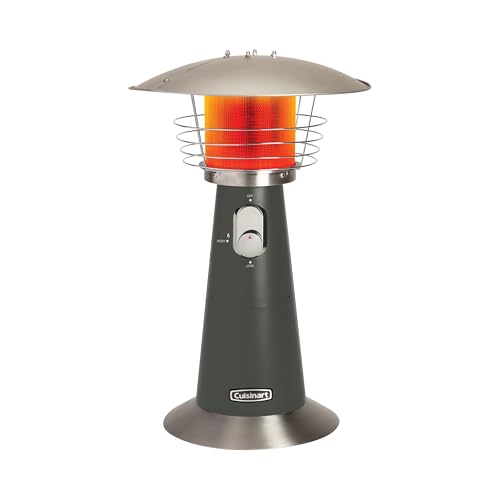

Choose the Right Heater for Your Gazebo
When you’re looking to heat your gazebo, choosing the right heater is essential, as it directly impacts both comfort and safety. Electric heaters are often favored for their efficiency and ease of use. They provide consistent warmth without the need for fuel storage, making them a clean option. Portable options are particularly advantageous, allowing you to move the heater as needed, enhancing flexibility in your space. When selecting, consider the size of your gazebo and the heater’s wattage; adequate heating will guarantee you can enjoy your space year-round while prioritizing safety and comfort for everyone inside.
Ensure Proper Ventilation
Proper ventilation in your gazebo is essential for maintaining safe airflow, especially when using gas heaters. Without adequate ventilation, harmful gases like carbon monoxide can accumulate, posing serious health risks. By ensuring good airflow, you not only enhance comfort but also safeguard against potential hazards.
Importance of Airflow
Ensuring adequate airflow in a gazebo is essential for safety, particularly when using heating devices. Proper air circulation prevents the buildup of harmful gases and maintains a comfortable environment. When determining heater placement, consider the surrounding space to allow for unobstructed airflow. Position heaters away from walls and furniture to enhance ventilation and reduce fire hazards. Regularly check for any barriers that might restrict airflow, such as debris or closed windows. By prioritizing airflow, you not only protect yourself and your guests but also enhance the overall warmth and enjoyment of your gazebo during winter gatherings.
Gas Heater Ventilation
Adequate airflow is a foundational aspect of safe heating in a gazebo, particularly when using gas heaters. The type of gas heater you choose can greatly impact ventilation needs, influenced by your gazebo design. To guarantee proper ventilation, consider these key points:
- Position heaters away from enclosed spaces.
- Install vents or windows for airflow.
- Regularly inspect and maintain your gas heater types.
- Monitor outdoor conditions to adjust ventilation accordingly.
Carbon Monoxide Awareness
While enjoying the warmth of a gas heater in your gazebo, it’s vital to be aware of the risks associated with carbon monoxide (CO) buildup. This toxic gas can be deadly, often going unnoticed until it’s too late. To secure your safety, install carbon monoxide detectors in the gazebo; they’re essential for early detection. Regularly check and maintain these devices to confirm they’re functioning properly. Additionally, always prioritize proper ventilation to allow fresh air circulation. By staying informed about toxic gas awareness and taking these precautions, you can enjoy your gazebo’s warmth without compromising your safety or freedom.
Keep Flammable Materials Away
To guarantee safety in your gazebo, it’s essential to keep flammable materials stored at a safe distance from heat sources. Regularly inspecting your storage areas can help identify potential hazards before they become a problem. By maintaining a controlled environment, you reduce the risk of accidental fires.
Safe Material Storage
Storing flammable materials safely is essential for preventing accidents around your gazebo heating setup. Proper material organization can greatly reduce risks. Here are four tips to guarantee safety:
- Use appropriate storage containers: Opt for fire-resistant or airtight containers for flammable items.
- Keep items away from heat sources: Maintain a distance of at least three feet from heaters or flames.
- Label all containers clearly: This helps in quick identification and reduces the chance of accidents.
- Regularly check your storage area: Confirm that nothing is expired or leaking, maintaining a safe environment.
Regular Inspection Practices
Regular inspections of your storage area are essential for guaranteeing flammable materials remain safely distanced from heat sources. Use an inspection checklist to identify potential hazards and guarantee compliance with safety standards. During seasonal maintenance, check for any accumulated debris, old chemicals, or improperly stored items that could ignite. Guarantee that all flammable materials are stored in designated areas away from heaters or stoves. Regularly evaluating these risks not only safeguards your gazebo but also enhances your peace of mind. By staying vigilant, you maintain a safe environment where you can enjoy the freedom and comfort of your outdoor space without worry.
Regularly Inspect and Maintain Your Heater
While you may enjoy the warmth and ambiance a heater provides in your gazebo, neglecting its upkeep can lead to safety hazards and inefficiency. Regular heater maintenance is essential, so make certain you conduct safety inspections by following these steps:
- Check for gas leaks or unusual odors.
- Inspect electrical connections for wear or fraying.
- Clean or replace filters to guarantee proper airflow.
- Schedule annual professional inspections to catch hidden issues.
Use Heaters With Safety Features
When selecting a heater for your gazebo, it is vital to prioritize safety features that minimize risks. Different heater types come with varying safety certifications, so look for those that meet recognized standards. Features like automatic shut-off, tip-over protection, and overheat sensors are important for preventing accidents. Also, consider heaters designed for outdoor use, as they’re built to withstand environmental factors. By choosing models with these safety features, you can enjoy your winter gatherings without compromising your safety or peace of mind. Always check for certifications and reviews to verify reliability and safety in your heating choice.
Establish an Emergency Plan
Even with the right heater and safety features, it’s important to prepare for potential emergencies that could arise while using your gazebo heating system. Establishing an emergency plan guarantees you’re ready. Here are key steps to take into account:
Even with proper heating measures, preparing an emergency plan for your gazebo is essential for safety.
- Compile a list of emergency contacts, including local fire departments and medical services.
- Identify clear evacuation routes from your gazebo to safety.
- Designate a meeting point for family or guests in case of evacuation.
- Regularly review and practice your plan to guarantee everyone knows their role.
Being proactive can make a significant difference in an emergency situation. Stay safe and prepared!
Frequently Asked Questions
Can I Use an Indoor Heater in My Gazebo?
You shouldn’t use an indoor heater in your gazebo due to safety concerns. Proper gazebo ventilation is essential to prevent carbon monoxide buildup and guarantee a safe environment. Always prioritize safety when considering heating options.
What Type of Fuel Is Safest for Gazebo Heaters?
When choosing fuel for your gazebo heater, propane offers effective heating but requires strict propane safety measures. Alternatively, electric heaters provide efficiency without combustion risks, giving you freedom to enjoy your space safely and comfortably.
How Do I Securely Anchor My Heater in the Gazebo?
To securely anchor your heater in the gazebo, use weighted bases or brackets. Consider heating methods that support stability, and always follow safety precautions to prevent accidents and guarantee a cozy, worry-free experience.
How Can I Tell if My Heater Is Malfunctioning?
A malfunctioning heater’s like a whispering wind—unreliable and unpredictable. If you notice strange noises, unusual smells, or inconsistent heat, those are warning signs. Regular heater maintenance keeps your space safe and cozy, so don’t ignore them.
Are Electric Heaters Safe for Outdoor Use in Gazebos?
Yes, electric heaters can be safe for outdoor use in gazebos, but it’s essential to guarantee they’re rated for outdoor safety. Consider different heater types, and always follow manufacturer guidelines to minimize risks.