
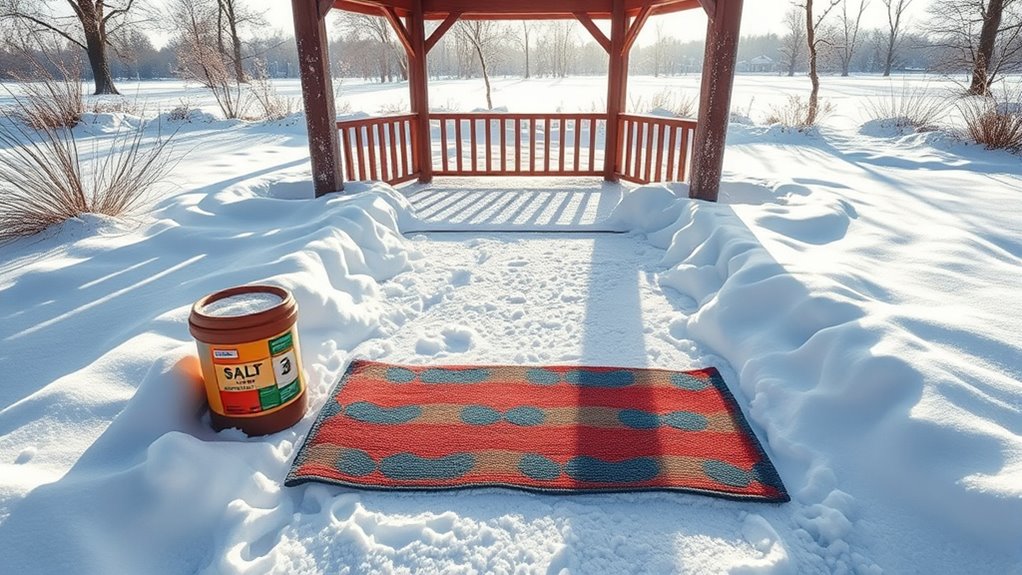
When it comes to icy gazebo entrances, preventing slips should be a top priority. You need to take into account various factors, such as the gazebo’s location, design, and flooring material. Simple adjustments, like installing non-slip mats and strategically placing outdoor rugs, can make a significant difference. However, there’s more to effective slip prevention than just these measures. Understanding how to maintain a safe environment is essential, and the following tips will guide you in creating a safer space.
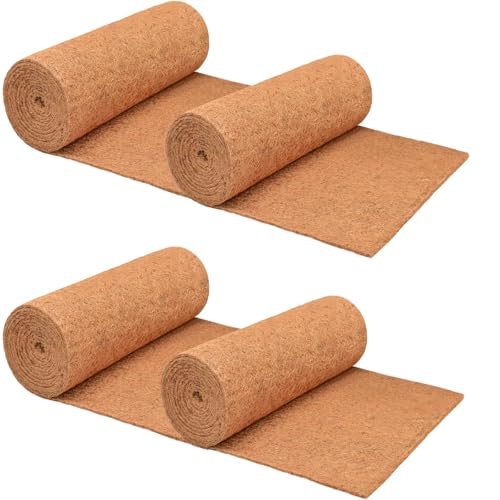



Assessing Your Gazebo’s Location and Design
When evaluating your gazebo’s location and design, it’s essential to contemplate how environmental factors affect its accessibility during winter months. Consider the gazebo orientation in relation to prevailing winds and sunlight. Proper placement can minimize snow accumulation and ice formation, ensuring safer access. Avoid low-lying areas where water may pool, freeze, and create hazards. Trees nearby can provide shade in summer but may also drop debris in winter, complicating maintenance. Analyzing these factors not only optimizes your gazebo’s use but also enhances safety during icy conditions. Choose wisely to enjoy your outdoor space year-round without unnecessary risks.
Regular Maintenance and Upkeep
Although regular maintenance might seem tedious, it’s essential for ensuring your gazebo remains safe and accessible during winter months. Conducting regular inspections can help identify potential hazards before they become problematic. Look for loose railings, cracked flooring, or any signs of wear that could lead to slips. Seasonal cleaning is equally important; remove leaves, debris, and ice buildup to maintain a clear entrance. Consider using a broom or shovel to keep pathways safe. By prioritizing these tasks, you not only enhance safety but also extend the life of your gazebo, allowing you to enjoy your outdoor space freely, even in winter.
Choosing the Right Flooring Material
When selecting flooring materials for your gazebo, consider durability and safety first. The texture plays a vital role in providing traction, especially in icy conditions, while weather-resistant features will guarantee longevity against the elements. By focusing on these factors, you can create a safer and more practical entrance to your gazebo.
Material Durability and Safety
Choosing the right flooring material for your gazebo entrance is essential, as it directly impacts both safety and durability. Opt for materials that meet established safety standards and offer exceptional material longevity. For instance, composite decking and treated wood can withstand harsh weather while providing a sturdy surface. Avoid materials that deteriorate quickly, as they may compromise safety during icy conditions. Additionally, consider materials resistant to slips, ensuring your entrance remains secure. Investing in durable flooring not only enhances safety but also reduces future maintenance costs, allowing you to enjoy your gazebo without worry. Prioritize both safety and longevity for ideal results.
Texture for Traction
Texture plays an essential role in ensuring safety at your gazebo entrance, especially during icy conditions. Choosing the right flooring material with suitable texture types can greatly enhance traction. Consider the following traction materials:
| Material | Texture Type | Traction Level |
|---|---|---|
| Rubber Matting | Grooved | High |
| Textured Concrete | Bumpy | Medium |
| Composite Wood | Ribbed | Medium to High |
Weather Resistance Features
Selecting the right flooring material for your gazebo entrance involves not just evaluating traction but also considering weather resistance features. You’ll want materials that can withstand rain, snow, and temperature fluctuations. Composite wood and vinyl are excellent gazebo materials, offering both durability and resistance to moisture. Additionally, look for options treated with anti-slip coatings to enhance safety further. Natural stone can provide a robust aesthetic but may require sealing to prevent water penetration. Ultimately, prioritizing weather resistance guarantees your gazebo remains a safe, inviting space throughout the seasons, giving you the freedom to enjoy it year-round without concern.
Installing Non-Slip Mats
Installing non-slip mats at your gazebo entrance can greatly enhance safety during icy conditions. These mats offer significant non-slip benefits, reducing the risk of slips and falls. When selecting mat materials, consider options like rubber, which provides excellent traction, or vinyl, known for its durability and weather resistance. Look for mats with textured surfaces to further improve grip. Ascertain the mats are securely anchored to prevent them from shifting. Regularly check for wear and tear, replacing them as necessary to maintain peak safety. By investing in quality non-slip mats, you empower yourself and your guests to enjoy your gazebo safely, regardless of winter weather.
Applying Ice Melt Products
While keeping your gazebo entrance safe during icy conditions, applying ice melt products can be an effective solution. Understanding the various ice melt types and application techniques is essential for best results.
| Ice Melt Type | Application Technique |
|---|---|
| Calcium Chloride | Spread evenly with a scoop |
| Magnesium Chloride | Use a hand-held spreader |
| Sodium Chloride | Apply before snow accumulation |
Choose the right product based on temperature and surface type. Always follow the manufacturer’s instructions for safe and effective use, ensuring you maintain traction without damaging the underlying surfaces.
Ensuring Proper Drainage
After applying ice melt products, ensuring proper drainage around your gazebo entrance is essential to prevent water accumulation that can refreeze and create slippery conditions. Effective drainage systems direct water flow away from the gazebo, reducing the risk of ice formation. Inspect your landscape to identify low spots where water may collect, and consider adding gravel or mulch to improve drainage. Regularly clear debris from gutters and downspouts to maintain unobstructed water flow. By proactively managing drainage, you’ll enhance safety and create a more enjoyable outdoor space, allowing you to embrace the freedom of your gazebo without the worry of slips.
Adding Handrails for Support
When adding handrails to your gazebo entrance, consider the material options available, as they can considerably impact durability and aesthetics. Proper installation techniques are essential to guarantee the handrails provide reliable support during icy conditions. By focusing on these factors, you can enhance safety and accessibility for everyone using the gazebo.
Handrail Material Options
Choosing the right material for handrails can greatly enhance safety at icy gazebo entrances. You have two main categories to weigh: wood options and metal choices. Each option has its benefits and drawbacks, influencing durability and maintenance.
| Material Type | Benefits |
|---|---|
| Wood | Aesthetic appeal, warmth |
| Metal | Durability, weather resistance |
Evaluate your needs based on climate and personal preference. Wood brings charm but requires more upkeep, while metal offers sturdiness with minimal care. Ultimately, select a material that aligns with your vision for safety and style.
Proper Installation Techniques
Installing handrails correctly is essential for ensuring safety at icy gazebo entrances. To achieve this, follow proper installation techniques that comply with local safety standards. Begin by measuring the height and spacing of the handrails, ensuring they’re comfortable for users of all ages. Securely anchor the handrails using appropriate hardware, such as lag bolts or brackets, to withstand winter conditions. Regularly inspect the installation for stability and make adjustments as needed. By prioritizing both aesthetics and functionality, you can create a supportive environment that enhances safety and freedom of movement, minimizing slip risks during icy weather.
Using Outdoor Rugs Strategically
Although outdoor rugs may seem like a simple decorative element, using them strategically can greatly enhance safety at icy gazebo entrances. Selecting appropriate outdoor rug types, such as textured or rubber-backed options, can provide better grip and stability. When considering rug placement strategies, position rugs at entrances and high-traffic areas to absorb moisture and reduce slip hazards. Confirm they lay flat and overlap with the gazebo flooring to prevent tripping. Regularly shake off snow and debris to maintain effectiveness. By implementing these strategies, you can create a safer environment, allowing you to enjoy your gazebo freely, even in icy conditions.
Lighting Solutions for Visibility
When it comes to ensuring safety at icy gazebo entrances, effective lighting solutions can greatly enhance visibility and reduce slip risks. Solar lights are a fantastic option, as they provide illumination without relying on electricity, making them eco-friendly and cost-effective. Placing these lights strategically along pathways helps guide your guests safely. Additionally, incorporating motion sensors can further enhance safety by activating lights when someone approaches, ensuring that every step is well-lit. This combination not only promotes security but also allows guests to navigate with confidence, reducing the chances of slips and falls during icy conditions.
Educating Guests on Safety Practices
To guarantee safety at icy gazebo entrances, it’s essential to educate guests on proper practices for traversing slippery conditions. Begin with guest education by providing clear instructions on walking techniques, like taking small steps and maintaining a low center of gravity. Incorporate safety demonstrations to visually illustrate these techniques, helping guests understand the importance of cautious movement. Encourage the use of appropriate footwear with good traction and remind them to avoid distractions. By fostering an environment of awareness and preparedness, you empower guests to navigate icy conditions confidently, minimizing the risk of slips and falls. Safety is everyone’s responsibility.
Frequently Asked Questions
What Weather Conditions Contribute to Icy Gazebo Entrances?
Freezing temperatures and snow accumulation create hazardous conditions at gazebo entrances. When the snow melts during the day and refreezes at night, it forms a slippery layer, increasing the risk of slips and falls.
How Often Should I Check My Gazebo for Safety Hazards?
You should check your gazebo for safety hazards at least once a month. Regular gazebo maintenance and safety inspections can prevent accidents, ensuring your little slice of freedom remains a haven, not a hazard.
Are There Specific Types of Ice Melt to Avoid?
You should avoid ice melts with harmful chemical compositions, like calcium chloride, due to their negative environmental impact. Opt for safer alternatives, such as magnesium chloride or sand, to maintain safety without compromising ecological health.
Can I Use Sand Instead of Ice Melt for Traction?
Yes, you can use sand instead of ice melt for traction. Sand’s effectiveness lies in its gritty texture, providing a natural grip. It’s a great alternative, especially if you seek eco-friendly options for slippery surfaces.
How Do I Safely Store Non-Slip Mats During Warmer Months?
To safely store non-slip mats during warmer months, clean and dry them thoroughly before rolling or folding. Use a cool, dry area for non-slip storage, ensuring proper seasonal maintenance to extend their lifespan and effectiveness.