
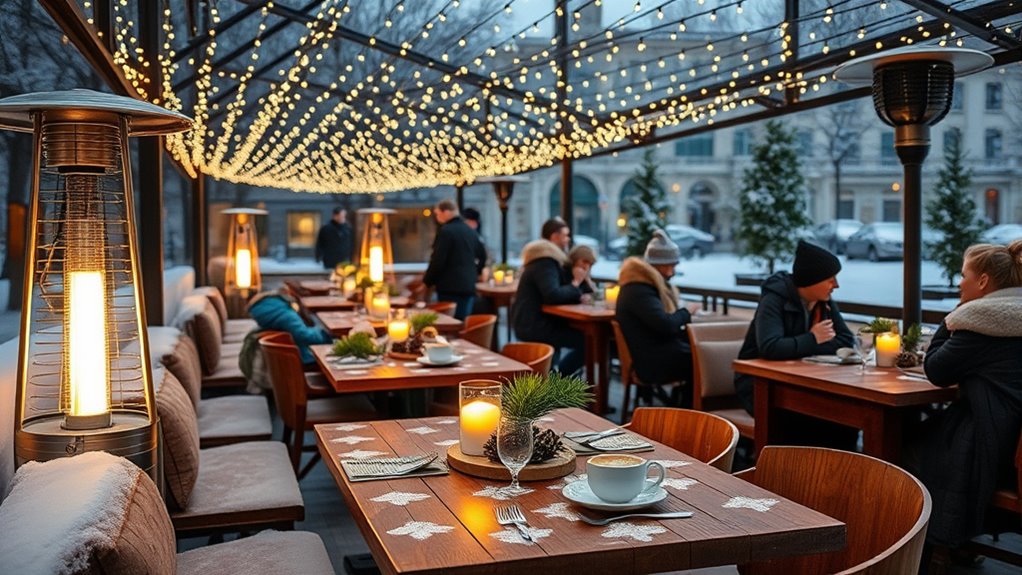
You might think outdoor winter dining isn’t safe or feasible, but with the right safety standards, it can be both secure and enjoyable. Fire safety regulations, proper ventilation, and effective space management are critical components that guarantee guest safety. However, implementing these standards requires careful consideration and planning. What measures should you prioritize to create a comfortable and secure outdoor dining experience for your guests?



Understanding Fire Safety Regulations
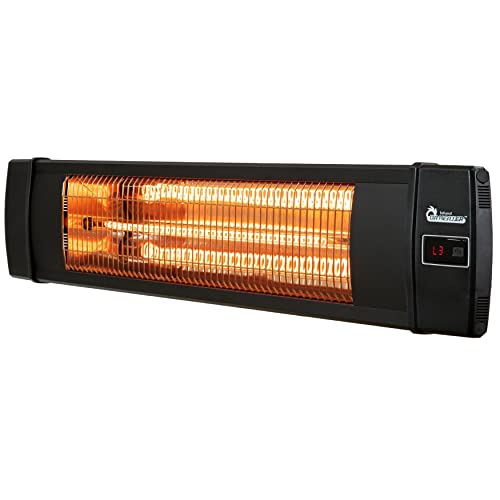
When it comes to outdoor winter dining, understanding fire safety regulations is vital, especially since outdoor heaters and open flames can pose significant risks. You must guarantee fire code compliance to protect guests and staff. Familiarize yourself with local regulations regarding heater placement, fuel sources, and flame heights. Regular safety inspections are essential; they help identify potential hazards and confirm that your equipment functions correctly. By prioritizing these measures, you not only safeguard your establishment but also promote a sense of freedom and enjoyment for your patrons. Ignoring fire safety can lead to severe consequences, so stay informed and proactive.
Ensuring Proper Ventilation
When managing outdoor winter dining, ensuring proper ventilation is essential for maintaining a safe environment. You need to take into account airflow dynamics, as they directly impact the efficiency of heating systems and overall guest comfort. By optimizing ventilation, you can enhance safety while providing a pleasant dining experience.
Airflow Considerations
Although outdoor winter dining offers a unique experience, guaranteeing proper ventilation is essential for maintaining a safe and comfortable environment. Effective airflow evaluations can enhance air circulation and improve temperature control. Here are key factors to take into account:
- Position seating to maximize natural airflow.
- Utilize tents or coverings with openings to allow fresh air in.
- Monitor wind direction and adjust setups accordingly.
- Incorporate fans to promote consistent air movement.
- Confirm there’s space between tables for adequate ventilation.
Heating Systems Efficiency
Making certain that heating systems operate efficiently is vital for creating a comfortable outdoor dining experience during winter months. To maximize heating efficiency, you should select energy sources that provide consistent warmth while minimizing costs. Consider options like natural gas, propane, or electric heaters, each with unique benefits. Regular maintenance of heating equipment is important; clean filters and inspect ducts to guarantee proper ventilation. Additionally, positioning heaters strategically can enhance warmth distribution. By optimizing your heating systems, you not only improve guest comfort but also promote energy conservation, aligning with your desire for freedom in outdoor dining without sacrificing safety or sustainability.
Space Management and Layout Considerations
Effective space management and layout considerations are essential for creating a safe and enjoyable outdoor winter dining experience. To guarantee ideal safety and comfort, focus on the following:
- Design flexible seating arrangements that adapt to group sizes.
- Prioritize space optimization for movement between tables.
- Maintain clear pathways for staff and customers.
- Incorporate windbreaks or barriers to enhance comfort.
- Ensure adequate distance between tables to support social interaction without crowding.
Choosing Safe Heating Options
When choosing safe heating options for outdoor winter dining, it is crucial to evaluate both efficiency and safety to create a comfortable atmosphere. Propane heaters offer quick and powerful warmth, making them popular for outdoor settings. However, guarantee proper ventilation to prevent carbon monoxide buildup. On the other hand, electric warmth provides a cleaner option, eliminating emissions and reducing fire risk. Consider the layout of your dining area and make sure heaters are placed safely away from flammable materials. Prioritize your guests’ comfort and safety by selecting heaters that align with your specific needs and the outdoor environment. Balance functionality and security for the best results.
Implementing Safety Signage
When implementing safety signage for outdoor winter dining, you need to focus on essential safety signs that communicate clear messages effectively. Make sure these signs meet visibility requirements, especially in low-light conditions or inclement weather. Additionally, seasonal adjustments are vital to address changing safety considerations as winter progresses.
Essential Safety Signs
Safety signs are essential for ensuring a secure outdoor winter dining experience. Their effectiveness hinges on thoughtful safety symbol design and strategic sign placement. You’ll want to contemplate the following key elements:
- Clearly visible signage for hazards
- Directional signs to guide guests safely
- Informative signs detailing safety protocols
- Weather-resistant materials for durability
- Appropriate signage height for visibility
Clear Visibility Requirements
Clear visibility is essential for effective safety signage in outdoor winter dining settings. You’ll want to implement visibility enhancements that guarantee signs are easily seen, even in low-light conditions. Consider using reflective materials or high-contrast colors to improve recognition. Additionally, explore various lighting options to illuminate signage effectively, such as solar-powered lights or strategically placed lanterns. This not only guides patrons safely but also enhances their dining experience. Remember, the clearer the signs, the more freedom your customers will feel to navigate the space confidently, reducing the risk of accidents and guaranteeing a safe, enjoyable winter dining atmosphere.
Seasonal Sign Adjustments
With effective visibility measures in place, it’s time to reflect on how to adapt your safety signage to the changing seasons. Seasonal signage is essential for reinforcing safety during outdoor dining. Here are some outdoor adjustments to take into account:
- Update signs to reflect seasonal hazards (like ice or snow)
- Use weather-resistant materials for durability
- Implement clear directional signs for foot traffic
- Guarantee visibility with reflective elements or bright colors
- Regularly inspect and maintain signage for clarity
These adjustments not only enhance safety but also provide diners with the freedom to enjoy their outdoor experience, knowing they’re protected against seasonal risks.
Regular Maintenance and Inspections
Although outdoor winter dining can provide a unique experience, regular maintenance and inspections are essential to secure a safe environment for patrons. Establishing maintenance schedules guarantees that all equipment, such as heaters and lighting, functions properly. Implementing inspection checklists allows you to systematically assess safety features, identifying potential hazards before they become issues. Regular checks on furniture stability, surface conditions, and heating elements can prevent accidents, creating a more enjoyable atmosphere. By prioritizing these practices, you’ll not only enhance safety but also foster customer confidence, encouraging them to embrace the winter dining experience with peace of mind.
Training Staff on Safety Protocols
While ensuring a safe outdoor winter dining experience relies heavily on equipment and maintenance, training staff on safety protocols is equally essential. Proper staff training helps everyone understand their roles in maintaining safety and enhances customer confidence. Focus on these key areas:
- Recognizing slip and fall hazards
- Proper handling of outdoor heating equipment
- Emergency response procedures
- Effective communication of safety guidelines to patrons
- Continuous assessment and feedback on safety practices
Managing Weather-Related Risks
As winter weather can be unpredictable, managing weather-related risks is essential for any outdoor dining establishment. Start with a thorough risk assessment to identify potential hazards, like heavy snowfall or icy conditions. Implement robust weather preparedness strategies, such as monitoring forecasts and having contingency plans in place. Guarantee your staff is trained to respond quickly to adverse conditions, minimizing risks to both diners and employees. Utilize durable, weather-resistant equipment and provide adequate shelter for guests. By staying vigilant and proactive, you can create a safer dining experience while maintaining the freedom that outdoor dining offers during the winter months.
Guest Safety and Comfort Measures
To guarantee a comfortable dining experience during the winter months, it is crucial to implement effective guest safety and comfort measures. Prioritizing these aspects not only enhances the guest experience but also encourages repeat visits. Consider incorporating the following comfort amenities:
- Outdoor heating elements
- Windbreaks or sheltered seating
- Blankets or lap covers
- Warm beverage options
- Adequate lighting for ambiance
Adapting to Local Guidelines and Best Practices
When planning for outdoor winter dining, it’s essential to align with local health regulations to guarantee compliance and safety. Additionally, exploring effective outdoor heating solutions can enhance the dining experience while keeping guests comfortable. By adapting to these guidelines and best practices, you can create a safe and enjoyable environment for all.
Local Health Regulations
While traversing the complexities of outdoor winter dining, it is crucial to adapt to local health regulations that govern safety standards. Guaranteeing regulatory compliance not only protects your patrons but also enhances your establishment’s reputation. Here are key aspects to reflect on:
- Schedule regular local inspections to identify potential hazards.
- Implement sanitation practices that meet or exceed local requirements.
- Maintain accurate records of compliance efforts and inspections.
- Train staff on health protocols and emergency procedures.
- Stay updated on changing regulations to guarantee ongoing compliance.
Outdoor Heating Solutions
As outdoor dining becomes increasingly popular during winter months, selecting appropriate heating solutions is essential not only for guest comfort but also for compliance with local guidelines. You’ll want to explore various outdoor heaters, such as propane, electric, or infrared options, depending on your specific needs and local regulations. Make sure your chosen heat sources are safe, effective, and positioned correctly to avoid hazards. Consider the layout of your dining space to maximize warmth while adhering to fire safety standards. By prioritizing these elements, you can create a welcoming atmosphere that allows guests to enjoy their outdoor dining experience comfortably and safely.
Frequently Asked Questions
What Should I Do in Case of a Heating Equipment Malfunction?
If your heating equipment malfunctions, immediately turn it off, evacuate the area, and contact emergency services. Follow heating safety protocols and have emergency procedures in place to guarantee everyone’s safety during such situations.
Are There Specific Requirements for Outdoor Dining Furniture Materials?
Yes, you’ll need to evaluate durability standards when selecting outdoor dining furniture materials. Choose options that withstand harsh weather, ensuring safety and longevity. Proper material selection not only enhances comfort but also supports a sustainable dining experience.
How Can I Protect My Outdoor Dining Area From Snow Accumulation?
You shouldn’t worry too much about snow accumulation. Regular snow removal and adding winter insulation, like outdoor heaters or weatherproof covers, can keep your dining area inviting and functional throughout the snowy months.
What First Aid Measures Should Be Available for Outdoor Dining?
You should have well-stocked first aid kits accessible and guarantee staff undergo emergency training. This preparation equips you to handle potential injuries swiftly, promoting safety and confidence in your outdoor dining experience during winter.
How Do I Handle Guest Complaints About Cold Temperatures?
Over 70% of diners prefer heated outdoor spaces. To handle guest complaints about cold temperatures, actively seek their feedback and offer temperature solutions like blankets or heaters, ensuring they feel comfortable and valued during their experience.