
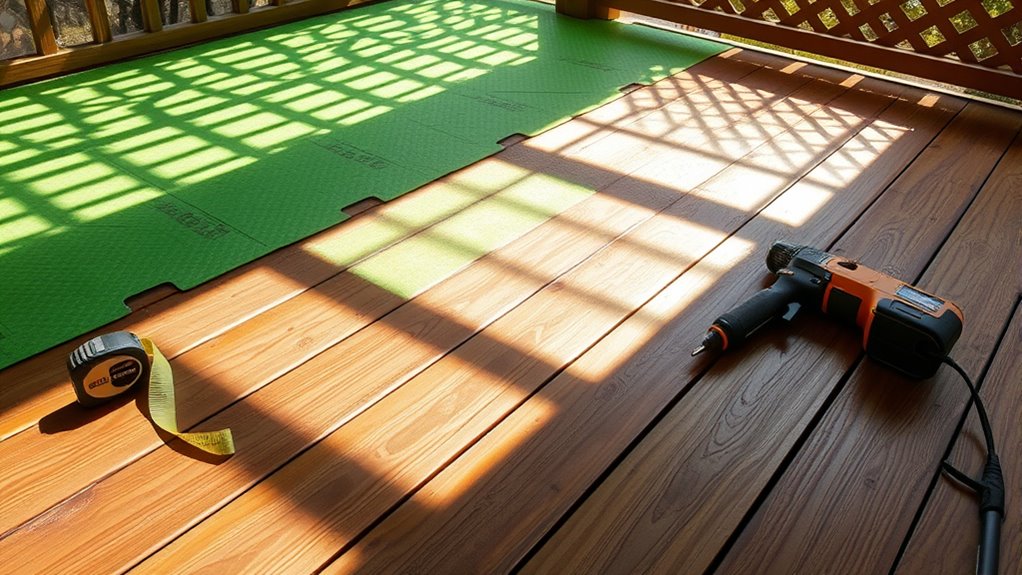
When it comes to enhancing comfort in your gazebo, floor insulation is essential. You might not realize how much a well-insulated floor can improve energy efficiency and warmth. There are several effective, DIY methods to achieve this without breaking the bank. From using foam boards to adding heated mats, each option has its benefits. Let’s explore which techniques can transform your outdoor space into a cozy retreat.
Understanding the Importance of Floor Insulation
When it comes to creating a comfortable outdoor space, floor insulation plays a crucial role. It helps regulate temperature, ensuring your gazebo stays cozy in both hot and cold weather. By improving energy efficiency, you can reduce your reliance on heating and cooling systems, leading to significant cost savings over time. Proper insulation prevents heat loss during winter and keeps the space cooler during summer, enhancing your overall comfort. Plus, it adds durability to your gazebo floor, protecting it from moisture and wear. Investing in quality floor insulation makes your outdoor haven enjoyable and inviting, no matter the season.
Selecting the Right Insulation Material
When selecting insulation materials for your gazebo floor, you’ll want to contemplate various types available, each with their own benefits. Pay close attention to the R-value, as it measures the material’s effectiveness in resisting heat flow. Additionally, moisture resistance is essential to prevent damage and guarantee longevity in your outdoor space.
Types of Insulation Materials
Selecting the right insulation material for your gazebo floor can make a significant difference in comfort and energy efficiency. Here are some popular options to evaluate:
| Insulation Type | Pros | Cons |
|---|---|---|
| Spray Foam | Excellent air seal | Higher cost |
| Fiberglass Batts | Cost-effective | Requires more space |
| Rigid Foam | High insulation value | Difficult to install |
| Reflective Foil | Reflects heat | Limited insulation value |
Each material has its strengths and weaknesses, so choose one that fits your needs and budget for the best results in your gazebo.
R-Value Considerations
Understanding R-value is essential for choosing the right insulation for your gazebo floor, as it measures the material’s ability to resist heat flow. Start with an R value calculation to determine how much insulation you’ll need based on your climate. For effective insulation comparison, look for materials with higher R-values, especially if you want to maximize comfort in extreme temperatures. Foam boards, fiberglass, and rigid insulation panels often provide the best performance. Choosing the right insulation guarantees your gazebo remains a cozy retreat year-round, giving you the freedom to enjoy your space without worrying about weather extremes.
Moisture Resistance Importance
Moisture resistance is essential in choosing insulation for your gazebo floor, as it helps prevent mold, mildew, and structural damage. When selecting insulation materials, look for options with effective moisture barriers to enhance humidity control. Closed-cell foam or fiberglass with moisture-resistant properties can be excellent choices. These materials not only insulate but also safeguard against dampness. Verify proper installation to maximize their effectiveness. Consider adding a vapor barrier beneath the insulation for extra protection. By prioritizing moisture resistance, you’ll create a comfortable and durable gazebo space that stands up to the elements, allowing you to enjoy it freely without worry.
Using Foam Boards for Effective Insulation
When you’re looking to insulate your gazebo floor effectively, foam boards can be a game changer. These boards provide excellent thermal insulation, keeping your space comfortable year-round. One of the key foam board benefits is their lightweight nature, making installation a breeze. You can easily cut them to fit your gazebo’s dimensions. For installation, simply lay down a moisture barrier, followed by the foam boards, ensuring tight seams to maximize insulation. Secure them with adhesive or tape as needed. With the right techniques, you’ll create a cozy, energy-efficient retreat that enhances your outdoor experience without breaking the bank.
Incorporating Rugs and Carpets
When it comes to incorporating rugs and carpets in your gazebo, choosing the right material can make a big difference in insulation. Consider layering rugs for added warmth, especially during cooler months. This not only enhances comfort but also adds a touch of style to your outdoor space.
Choosing the Right Material
Choosing the right materials for your gazebo floor insulation can greatly enhance comfort and aesthetics, especially when you incorporate rugs and carpets. Consider these factors to make an informed choice:
- Material Durability: Opt for rugs that withstand outdoor elements to guarantee longevity.
- Insulation Costs: Balance your budget while selecting materials that provide effective insulation without breaking the bank.
- Style and Comfort: Choose designs that complement your gazebo’s theme, adding warmth underfoot.
Layering for Extra Warmth
Incorporating rugs and carpets into your gazebo can greatly enhance warmth and comfort, especially during cooler months. Using layering techniques, you can create effective thermal barriers that keep the chill at bay. Start with an insulating underlayer, then add a plush rug or carpet on top. This combination not only adds style but also traps heat effectively.
| Layer Type | Purpose |
|---|---|
| Insulating Underlayer | Provides thermal barrier |
| Area Rug | Adds warmth and comfort |
| Carpet | Enhances insulation further |
Installing Reflective Foil Insulation
Since reflective foil insulation can greatly enhance your gazebo’s energy efficiency, installing it properly is crucial. Here are some quick installation tips to guarantee you get it right:
Installing reflective foil insulation correctly is essential for boosting your gazebo’s energy efficiency.
- Clean the Surface: Make sure the floor is clean and dry for maximum adhesion.
- Overlap the Edges: When laying down the foil, overlap edges to prevent gaps that can diminish effectiveness.
- Secure with Tape: Use strong tape to seal seams and keep the foil in place.
Utilizing Straw Bales for a Natural Approach
If you’re looking for an eco-friendly way to insulate your gazebo floor, utilizing straw bales can be an excellent option. Straw bales offer numerous benefits, including affordability and sustainability. They act as natural insulation, keeping your gazebo warm in winter and cool in summer. Simply place the bales evenly across the floor, ensuring they’re tightly packed for maximum effectiveness. You’ll enjoy a comfortable space while reducing your carbon footprint. Plus, straw bales are biodegradable, so they won’t contribute to landfill waste. Embrace this simple, natural approach, and you’ll create a cozy, inviting atmosphere in your outdoor retreat.
Creating a Raised Floor System
While straw bales provide a natural insulation option, creating a raised floor system offers another effective method for enhancing your gazebo’s comfort. This approach not only improves insulation but also guarantees maximum ventilation, keeping your space airy and fresh.
Consider these key elements for your raised floor:
- Materials: Use pressure-treated wood or composite materials for durability.
- Height: Elevate the floor to allow airflow beneath, preventing moisture buildup.
- Ventilation: Incorporate vents or gaps to enhance airflow, maintaining a pleasant environment.
Adding Heated Floor Mats
Adding heated floor mats can greatly enhance the comfort of your gazebo, especially during cooler months. These mats offer a cozy retreat, allowing you to enjoy your space year-round. Here are some installation tips to get you started:
| Step | Description |
|---|---|
| 1. Measure | Determine your gazebo’s size. |
| 2. Choose Mats | Select appropriate heated floor mats. |
| 3. Prepare Surface | Clean and level the floor. |
| 4. Install Mats | Follow the manufacturer’s guidelines. |
| 5. Test Connection | Verify everything works properly. |
With these tips, you’ll create a welcoming environment for relaxation and entertainment.
Maintenance Tips for Insulated Gazebo Floors
After installing heated floor mats, it’s important to keep your insulated gazebo floor in top condition to guarantee long-lasting comfort and efficiency. Regular floor maintenance and insulation upkeep can prevent costly repairs and enhance your outdoor experience. Here are some essential tips:
- Inspect regularly: Check for any signs of wear, moisture, or damage.
- Clean gently: Use a soft broom or vacuum to remove dirt, avoiding abrasive tools that could scratch the surface.
- Check for insulation gaps: Seal any leaks or gaps to maintain insulation effectiveness.
Frequently Asked Questions
Can I Insulate My Gazebo Floor in Winter?
Yes, you can insulate your gazebo floor in winter. Consider using materials like foam boards or insulation blankets to improve thermal efficiency. This’ll help keep your space comfortable and enjoyable, even in colder months.
How Do I Know if My Insulation Is Effective?
You can assess insulation effectiveness by checking for consistent temperatures and reduced drafts. If your space feels warmer and maintains thermal performance during cold weather, your insulation’s doing its job well.
What Is the Best Way to Seal Gaps in Insulation?
To seal gaps in insulation effectively, consider that up to 30% of heat can escape through them. Use spray foam or caulk, ensuring compatibility with your insulation materials for a tight, energy-efficient seal.
Are There Any DIY Insulation Mistakes to Avoid?
Avoid choosing the wrong insulation material; it can lead to inefficiency. Also, don’t overlook common installation errors like insufficient sealing or improper layering, as they’ll compromise your efforts and reduce overall effectiveness. Always double-check your work!
How Often Should I Replace My Gazebo Floor Insulation?
You should replace your gazebo floor insulation every 10 to 15 years, depending on usage and environmental factors. Regular checks can help you gauge its condition and guarantee ideal insulation lifespan for comfort and freedom.