
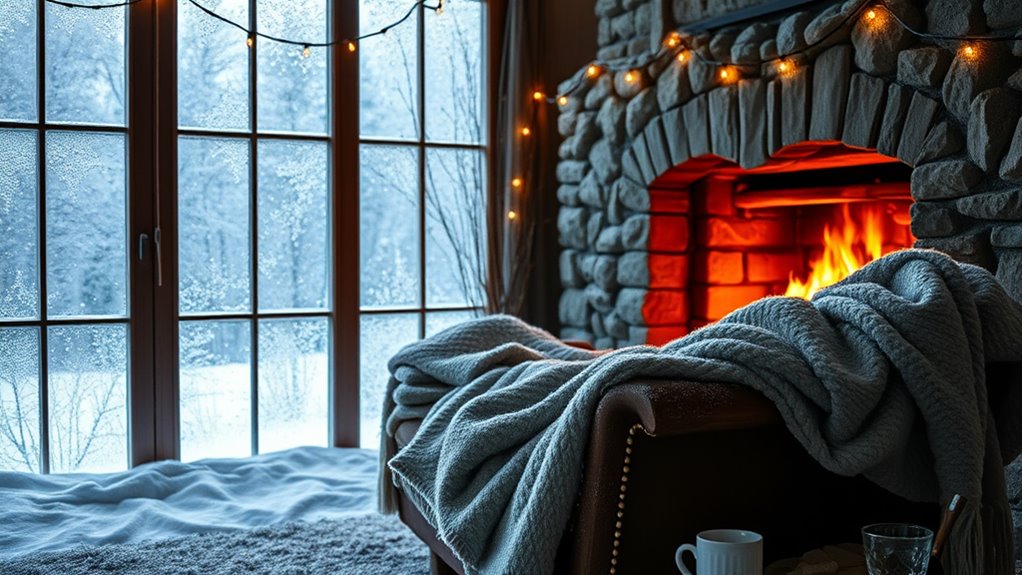
When temperatures plummet, having a properly set up fireplace is essential for both warmth and safety. You’ll need to assess your fireplace type and make sure it’s suitable for your heating needs. From cleaning the chimney to selecting appropriate firewood, each step plays an important role in efficient operation. Understanding these elements can greatly enhance your winter experience, but there are additional considerations that can further optimize your setup.
Assessing Your Fireplace Type
How do you determine which type of fireplace you have? Start by identifying the different fireplace styles: traditional wood-burning, gas, electric, and pellet. Each style uses distinct fuel sources, impacting efficiency and heating capability.
For wood-burning fireplaces, check for a chimney and a firebox; these are essential for venting smoke. Gas fireplaces often feature a vent or direct vent system with a control valve. Electric fireplaces, on the other hand, typically plug into an outlet and don’t require venting.
Pellet stoves use compressed wood pellets as fuel and feature a hopper for storage. By understanding these characteristics, you can effectively assess your fireplace type and make informed decisions about its setup and operation in extreme cold conditions.
Cleaning and Preparing the Fireplace
Before using your fireplace, it’s vital to remove any ash and debris to guarantee proper airflow. Next, inspect the chimney and flue for blockages or damage that could impede smoke ventilation. This preparation is essential for safe and efficient operation during extreme cold.
Remove Ash and Debris
As you prepare your fireplace for extreme cold, removing ash and debris is essential for both safety and efficiency. Proper ash disposal methods, like using a metal container with a tight-fitting lid, guarantee that the remnants are handled safely. Additionally, employing effective debris management techniques helps maintain your fireplace’s functionality.
| Ash Disposal Methods | Debris Management Techniques |
|---|---|
| Metal container with lid | Regular sweeping and vacuuming |
| Water dousing before disposal | Use of a hearth rug |
| Composting for eco-friendly use | Inspecting for blockages |
Inspect Chimney and Flue
Inspecting your chimney and flue is essential for guaranteeing safe and efficient fireplace operation, especially in extreme cold. Neglecting this vital step can lead to dangerous situations, such as chimney fires or carbon monoxide buildup. Start with a thorough chimney inspection—look for creosote buildup, blockages, or structural damage. A professional can help identify issues that may not be visible to the untrained eye. Next, focus on flue maintenance; verify the flue is clear and functioning properly to allow smoke and gases to escape. This not only enhances efficiency but also protects your home. Regular maintenance can extend the lifespan of your fireplace and improve your overall enjoyment during those cold winter nights.
Checking the Chimney and Flue
When preparing your fireplace for extreme cold, verifying that the chimney and flue are in good condition is essential for both safety and efficiency. Regular chimney maintenance and thorough flue inspection can prevent dangerous blockages and verify proper airflow. Here’s a quick reference table to guide your checks:
| Task | Frequency | Importance |
|---|---|---|
| Visual Inspection | Monthly | Identify blockages or damage |
| Creosote Removal | Annually | Prevent chimney fires |
| Professional Check | Every 2 years | Verify structural integrity |
| Flue Cleaning | Annually | Maintain proper ventilation |
| Cap Inspection | Annually | Protect from debris |
Choosing the Right Firewood
Selecting the right firewood is essential for an efficient and effective fireplace. You’ll need to take into account the types of firewood available, make certain it’s properly seasoned and dried, and pay attention to storage and handling practices. Making informed choices in these areas will enhance your fireplace experience in extreme cold conditions.
Types of Firewood
Choosing the right firewood is essential for maximizing heat output and minimizing smoke, as different types of wood burn at varying efficiencies. Hardwoods, such as oak and maple, offer significant benefits; they burn longer, produce more heat, and generate less creosote buildup in your chimney. This means fewer maintenance issues and a cleaner burn. On the other hand, softwoods like pine and fir have disadvantages. They ignite quickly and burn hotter initially but tend to produce more smoke and creosote, leading to potential chimney fires. When selecting firewood, consider your heating needs and the impact on air quality. Prioritize hardwoods for sustained warmth and efficiency, ensuring a more enjoyable and safe fireplace experience.
Seasoning and Drying
To maximize the efficiency of your fireplace, it’s important to contemplate the seasoning and drying of your firewood. Proper seasoning techniques involve cutting wood to the desired length and stacking it in a well-ventilated area, allowing air to circulate freely. Aim for a moisture content below 20% for ideal burning. Effective drying methods can include solar drying, where sunlight naturally reduces moisture, or using a kiln for rapid results. Monitor the wood’s weight and check for cracks in the ends, which indicate dryness. Choosing seasoned wood not only enhances combustion efficiency but also minimizes smoke and creosote buildup, ensuring a cleaner burn. By understanding these processes, you can enjoy a warm, efficient fire throughout the colder months.
Storage and Handling
While you might think any firewood will do, selecting the right type is essential for peak performance and safety in your fireplace. Proper wood storage and firewood handling can greatly impact your heating efficiency. Here’s what you should consider:
- Type of Wood: Choose hardwoods like oak or maple for longer burn times and less smoke.
- Seasoning: Verify your wood is seasoned for at least six months to reduce moisture content.
- Storage Location: Store your firewood in a dry, well-ventilated area, ideally elevated off the ground.
- Handling Technique: Use gloves and proper lifting techniques to avoid injury and verify safety when moving logs.
Setting Up a Safe Hearth Area
Ensuring a safe hearth area is essential for preventing accidents and maintaining a cozy atmosphere, especially during extreme cold. Start by selecting a robust hearth design that can withstand high temperatures and provide ample space for logs and embers. Use non-combustible materials like stone or tile to create a barrier around your fireplace. Install a protective screen to keep embers contained and prevent burns. Keep flammable materials, such as blankets or furniture, at least three feet away from the fireplace. Regularly inspect your setup for any signs of wear or damage, ensuring all components meet fireplace safety standards. By prioritizing these elements, you can enjoy your fireplace with peace of mind, fully embracing the warmth it provides during chilly weather.
Implementing Proper Ventilation
Implementing proper ventilation is essential for maintaining air quality and safety in your home when using a fireplace, especially in extreme cold conditions. To guarantee adequate air circulation and meet ventilation requirements, consider the following:
- Install vents: Verify that your fireplace has sufficient intake and exhaust vents to allow for peak airflow.
- Use a fresh air kit: This can provide a direct source of outside air to the fireplace, reducing the risk of backdrafts.
- Check for obstructions: Regularly inspect chimneys and flues to confirm they’re clear and functioning properly.
- Monitor indoor air quality: Use air quality sensors to detect any pollutants, ensuring a safe environment while the fireplace is in use.
Using Fireplace Accessories Wisely
How can you enhance the efficiency and safety of your fireplace experience? Utilizing the right fireplace tools is essential. Invest in a quality set that includes tongs, pokers, and brushes, which allow for better control over your fire. Proper use of these tools can prevent unwanted flare-ups and guarantee even burning of wood. Additionally, decorative screens serve more than just an aesthetic purpose; they act as a safety barrier, keeping sparks contained and protecting your living area. Make certain to choose screens that fit well with your fireplace design and verify they’re securely positioned. By integrating these accessories wisely, you’ll not only improve the functionality of your fireplace but also create a safer environment for you and your loved ones.
Creating a Cozy Atmosphere
With the right tools and safety measures in place, you can now focus on creating a cozy atmosphere around your fireplace. Here are four essential elements to reflect on:
- Cozy Blankets: Drape soft, warm blankets over nearby chairs or the sofa for instant comfort.
- Ambient Lighting: Use dimmable lamps or string lights to enhance the warmth without harsh glare.
- Seating Arrangement: Position furniture to encourage conversation and intimacy, centered around the fire’s glow.
- Natural Elements: Incorporate plants or wood accents to bring the outdoors inside, enhancing the homey feel.
Frequently Asked Questions
How Do I Keep My Fireplace Efficient in Extreme Cold?
To keep your fireplace efficient in extreme cold, select high-quality firewood for better combustion and guarantee proper heat distribution. You’ll enjoy cozy warmth while maximizing fuel usage—after all, who wouldn’t want a crackling fire?
Can I Use Alternative Fuels in My Fireplace?
Yes, you can use alternative fuel sources in your fireplace, like biofuels or gel fuels. However, guarantee they’re compatible with your fireplace fuel types to maintain efficiency and safety. Always consult your manufacturer’s guidelines first.
What Are the Signs of a Chimney Blockage?
Signs of a chimney blockage include poor airflow, smoke backing up, and unusual odors. To guarantee safety, schedule a chimney inspection regularly, as blockage causes can lead to dangerous creosote buildup and fire hazards.
How Do I Prevent Smoke From Entering My Home?
To prevent smoke from entering your home, guarantee your fireplace has airtight seals and proper ventilation. Regularly inspect and maintain your chimney to enhance smoke prevention and minimize the risk of backdrafts.
Are There Any Safety Tips for Using Decorative Fireplace Accessories?
Using decorative accessories is like adding jewels to a crown; they enhance beauty but require care. Guarantee they’re non-flammable, placed safely away from flames, and regularly inspected for wear to maintain fire safety in your home.