
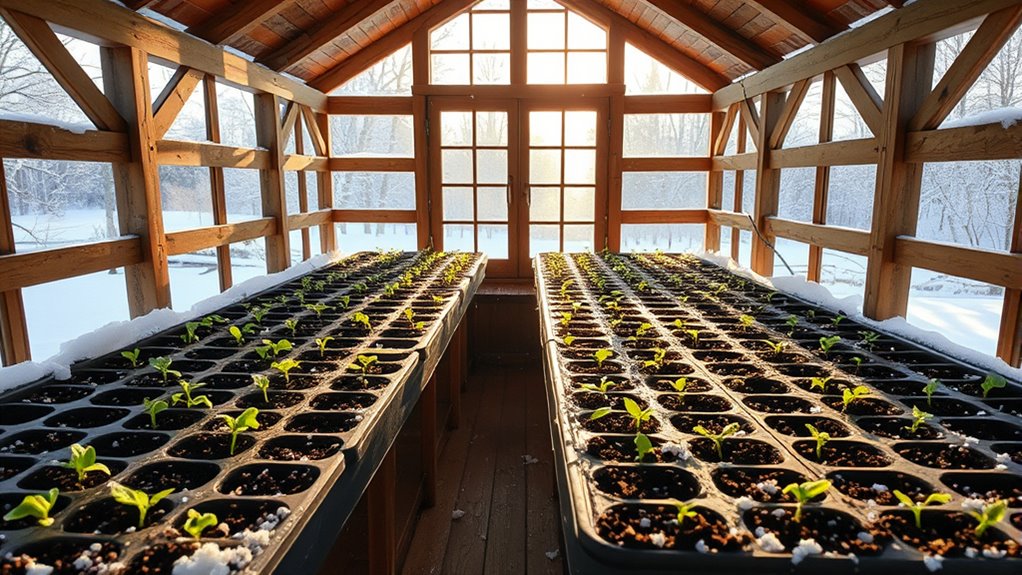
Imagine transforming your gazebo into a winter seedling haven, where vibrant kale and spinach thrive despite the cold outside. By leveraging the right techniques, you can create an ideal environment that guarantees your seedlings flourish. With careful planning and the right supplies, you can turn this space into a nurturing sanctuary. But what specific steps can you take to maximize your gazebo’s potential for seedling success? Let’s explore the possibilities.



Assessing Your Gazebo for Seedling Success
How can you guarantee your gazebo is the ideal environment for starting seedlings? First, assess the light requirements. Confirm your gazebo receives ample sunlight, ideally 6-8 hours daily. Consider adding reflective surfaces to maximize exposure. Next, focus on temperature control; seedlings thrive in a consistent range of 65-75°F. Insulate your gazebo if necessary to maintain warmth during chilly nights. Use thermometers to monitor conditions regularly, and don’t hesitate to employ heat mats if temperatures dip too low. By optimizing light and temperature, you’ll create a nurturing haven for your seedlings, empowering them to flourish and grow freely.
Essential Supplies for Your Winter Seedling Setup
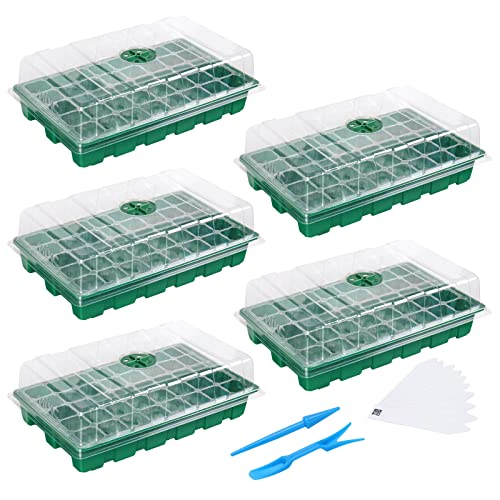
While preparing your gazebo for winter seedlings, gathering the right supplies is essential for ensuring successful growth. First, invest in quality grow lights; they’ll provide the necessary spectrum for photosynthesis when natural light is scarce. Next, heating mats are vital for maintaining ideal soil temperatures, promoting seed germination and root development. Don’t forget seed trays and quality potting mix to give your young plants a solid start. Additionally, consider a thermometer and humidity gauge to monitor conditions. By equipping yourself with these essential supplies, you’ll create a thriving environment, allowing your seedlings to flourish and embrace the freedom of growth.
Creating the Ideal Environment for Seedlings
To guarantee your seedlings thrive, it is crucial to create an environment that mimics their natural habitat, allowing them to grow strong and healthy. Maintaining the right seedling temperature—ideally between 65°F and 75°F—ensures peak germination. You should also focus on humidity control; a humidity level of around 70% can prevent seedlings from drying out while promoting robust growth. Use a humidity dome or misting system to achieve this balance. By carefully managing these factors, you empower your seedlings to flourish in the winter months, bringing you one step closer to a bountiful garden when spring arrives.
Choosing the Right Seeds for Winter Germination
When selecting seeds for winter germination, it’s essential to evaluate varieties that thrive in cooler temperatures and shorter daylight hours. Focus on cold hardy seed varieties like kale, spinach, and certain types of lettuce. These plants not only tolerate frost but actually improve in flavor with the chill. Additionally, consider root vegetables such as carrots and beets, which can be sown directly into the ground. By choosing the right seeds, you’ll embrace the freedom of winter gardening, allowing you to cultivate fresh produce even in the depths of winter. Your gazebo will serve as a perfect sanctuary for these resilient seedlings.
Maintenance Tips for Healthy Seedlings
As you nurture your seedlings in the gazebo, maintaining ideal conditions is crucial for their growth and development. Here are some maintenance tips to guarantee your seedlings thrive:
- Monitor moisture levels: Keep the soil consistently damp, but not waterlogged.
- Fertilizer application: Use a balanced fertilizer every few weeks to provide essential nutrients.
- Pest management: Regularly check for pests and use organic solutions to protect your plants.
- Temperature control: Ensure the gazebo maintains a stable environment, shielding seedlings from extreme temperatures.
Transplanting Your Seedlings Outdoors in Spring
As spring approaches, it’s essential to time your transplanting carefully to guarantee your seedlings thrive in their new environment. Preparing the soil and selecting the right location will set the foundation for healthy growth. Let’s explore the best practices to make your shift seamless and successful.
Timing for Transplanting Seedlings
Timing is essential for successfully transplanting your seedlings outdoors in spring, as it can greatly impact their growth and yield. To guarantee ideal seedling growth, consider these key transplant timings:
- Wait until the last frost date has passed.
- Monitor soil temperature; aim for at least 65°F.
- Gradually acclimate your seedlings to outdoor conditions.
- Check the forecast for prolonged cold snaps before planting.
Preparing Soil and Location
Preparing your garden soil and choosing the right location are critical steps for successfully transplanting seedlings outdoors in spring. Consider different soil types; well-draining, loamy soil supports robust growth. Test your soil’s pH and amend it with organic matter if necessary. Location factors are equally essential—select a spot with adequate sunlight, shelter from harsh winds, and good drainage. Observe your garden throughout the day to guarantee your seedlings receive the right amount of light. Freedom in your gardening journey comes from understanding these elements, empowering you to create a thriving environment for your seedlings as they shift to their outdoor home.
Frequently Asked Questions
Can I Use Grow Lights in My Gazebo for Seedlings?
Absolutely, you can use grow lights in your gazebo for seedlings. For instance, placing LED grow lights directly above your trays guarantees ideal light exposure. Just make certain you choose the right grow light types for effective growth.
What Is the Ideal Temperature Range for Winter Seedlings?
The ideal temperature for winter seedlings ranges from 65°F to 75°F. This range promotes healthy seedling growth, ensuring robust development. Maintaining consistent warmth is essential for maximizing your plants’ potential and nurturing your gardening passion.
How Often Should I Water Seedlings During Winter?
You should water your seedlings every few days, ensuring they maintain adequate seedling moisture. Winter watering is essential; too little can lead to stress, while overwatering can drown them. Balance is key for healthy growth.
Can Pests Affect Seedlings in a Gazebo Environment?
Yes, pests can affect seedlings in a gazebo. You should focus on pest identification and implement pest prevention strategies to protect your plants. Regular monitoring and cleanliness can help maintain a healthy growing environment.
What Are Signs of Overwatering My Winter Seedlings?
If your seedlings start to droop and the soil feels excessively saturated, you might be giving them a bit too much love. Adjust your watering habits to guarantee they thrive without drowning in affection.