
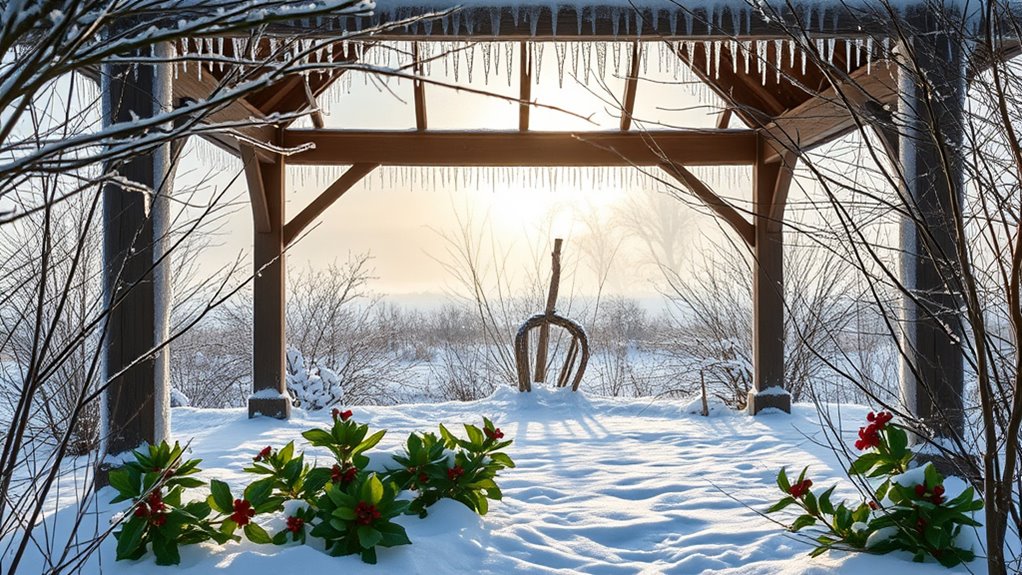
Did you know that winter gardening in a gazebo can greatly extend your growing season? By choosing the right hardy plants and insulating your structure properly, you can create a thriving green space even in the cold months. Understanding how to maintain warmth and humidity is vital for success. Let’s explore the essential techniques and ideas that can transform your gazebo into a winter gardening haven.



Choosing the Right Plants for Winter Gardening
When it comes to winter gardening, selecting the right plants is essential for ensuring a thriving gazebo garden. Consider incorporating winter herbs like thyme, sage, and parsley; they not only withstand the chill but also add fresh flavors to your culinary creations. Seasonal flowers such as pansies and ornamental kale can brighten your space with vibrant colors during the gray months. Opt for plants that are hardy and can tolerate frost to maximize your garden’s potential. By choosing wisely, you’ll create a beautiful, resilient environment that celebrates the spirit of winter while giving you the freedom to enjoy your outdoor space.
Insulating Your Gazebo for Cold Weather
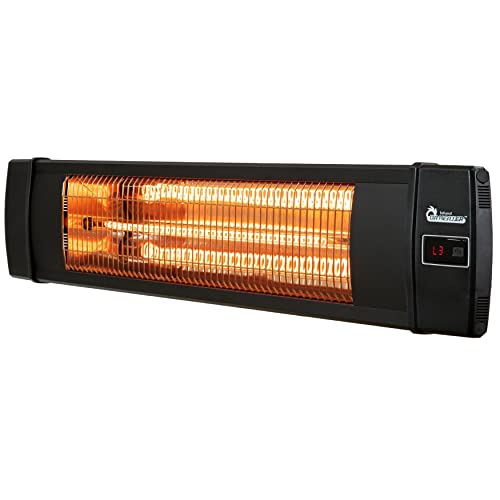
Although winter can be harsh, insulating your gazebo can transform it into a cozy retreat. Start by selecting effective insulation materials like foam boards or reflective insulation. These options enhance temperature regulation, keeping warmth inside while blocking the cold. Don’t forget to insulate windows with thermal curtains or bubble wrap for added protection. Seal gaps around doors and walls with weather stripping to prevent drafts. Consider adding a space heater for extra warmth, ensuring it’s safe and suitable for indoor use. With these steps, you’ll create a comfortable environment that allows you to enjoy your gazebo all winter long.
Utilizing Grow Lights for Optimal Growth
When you’re growing plants in your gazebo during winter, selecting the right type of grow lights is essential for ideal growth. You’ll want to take into account factors like the light spectrum, intensity, and energy efficiency to match your plants’ needs. Additionally, proper placement and timing can enhance light absorption, ensuring your plants thrive despite the colder conditions.
Types of Grow Lights
Grow lights are essential tools for indoor gardening, especially during the winter months when natural sunlight is scarce. You’ll find LED options great for energy efficiency and longevity, while fluorescent types offer a broader light spectrum. Consider your grow tent setup; light positioning is vital for ideal plant growth. LEDs emit less heat, allowing you to maintain closer distances without burning plants. Evaluate cost considerations, as initial investment varies. Remember to adjust light duration based on specific plant needs, ensuring they receive adequate exposure for healthy development. Selecting the right type of grow light can transform your indoor gardening experience.
Placement and Timing Tips
To guarantee your plants thrive under grow lights, it’s important to take into account both placement and timing. Position your grow lights to maximize coverage across the plant canopy, ensuring even sunlight exposure mimicking natural conditions. If your gazebo orientation limits direct sunlight, adjust the height and angle of your lights for best effectiveness. Timing is vital; aim for 12-16 hours of light daily, simulating summer conditions. Use timers to maintain consistency, promoting healthy growth cycles. Pay attention to your plants’ responses, adjusting light distance and duration as needed, enabling you to cultivate a vibrant winter garden in your gazebo.
Creating a Cozy Atmosphere With Decor
While winter may seem like an uninviting time for gardening, transforming your gazebo into a cozy retreat can enhance your outdoor experience. Start by incorporating cozy lighting, such as string lights or lanterns, to create a warm ambiance. Seasonal decorations, like pinecones and evergreen garlands, add a touch of nature.
| Element | Description |
|---|---|
| Cozy Lighting | Use warm string lights or lanterns |
| Seasonal Decorations | Incorporate evergreen garlands or wreaths |
| Textiles | Add soft blankets and cushions |
| Natural Elements | Place potted winter plants |
These elements will make your gazebo inviting and comfortable.
Setting Up a Watering System for Indoor Plants
When setting up a watering system for your indoor plants, choosing the right system is vital to guarantee proper hydration without overwatering. Consider options like drip irrigation or self-watering pots, which can automate the process and conserve water. Regular maintenance and monitoring are essential to adjust the system as needed and keep your plants healthy throughout the winter months.
Choosing the Right System
As you embrace the challenge of indoor gardening during winter, selecting the right watering system becomes essential for the health of your plants. Hydroponic systems offer a soilless solution, providing ideal nutrient delivery while conserving water. These systems can be tailored to fit your space, making them perfect greenhouse alternatives. Consider drip irrigation for precise moisture control, or self-watering pots that reduce your workload. Each option has unique benefits, allowing you to customize your approach based on your plant types and lifestyle. Ultimately, the right watering system guarantees your indoor garden thrives throughout the winter months, giving you freedom in your gardening journey.
Maintenance and Monitoring Tips
To guarantee your indoor plants thrive, regular maintenance and monitoring of your watering system are essential. Implement a schedule for checking moisture levels and adjust your watering based on seasonal changes. Use a table to track your plants’ needs:
| Plant Type | Water Frequency | Pest Management |
|---|---|---|
| Ferns | Weekly | Neem oil for pests |
| Succulents | Bi-weekly | Check for mealybugs |
| Spider Plants | Every 10 days | Insecticidal soap treatment |
Regularly inspect your system, making seasonal adjustments to prevent over or under-watering and guarantee healthy growth.
Incorporating Heating Solutions for Extreme Cold
Although winter can pose significant challenges for gazebo gardening, incorporating effective heating solutions can guarantee your plants thrive despite the extreme cold. Consider using electric heaters or heat mats as heating options to maintain ideal temperatures. Additionally, insulating your gazebo with thermal curtains or bubble wrap can enhance winter insulation, reducing heat loss. For larger spaces, propane heaters provide a robust solution, but make certain of proper ventilation. Always monitor temperature levels to prevent overheating. By strategically implementing these methods, you’ll create a comfortable environment for your plants, allowing you the freedom to enjoy gardening even in the harshest winter months.
Winter Pruning Techniques for Hardy Plants
When it comes to winter pruning, timing is essential; aim to prune hardy plants while they’re still dormant but before new growth begins. Selecting the right tools, such as sharp bypass pruners and loppers, guarantees clean cuts that promote healing. Employ techniques like thinning and heading back to enhance airflow and encourage healthy growth in the upcoming spring season.
Timing for Pruning
While many gardeners view winter as a time for rest, it actually presents an ideal opportunity for pruning hardy plants. Timing considerations are essential; aim for late winter, just before new growth begins. This timing allows you to assess the plant’s structure while its leafless state reveals any dead or diseased branches. Use pruning techniques like thinning cuts to improve air circulation and light penetration, promoting healthier growth in spring. Remember to prioritize plants that bloom later in the year, as this will guarantee you don’t sacrifice their flowers. Embrace winter pruning to enhance your garden’s liveliness and freedom of growth!
Tools and Techniques
After you’ve determined the right timing for pruning, having the right tools and techniques is vital to achieving ideal results. Start by organizing your tools for efficient gardening maintenance:
- Pruning Shears: Use sharp, clean shears for precise cuts on stems.
- Loppers: Ideal for thicker branches, providing leverage for easier pruning.
- Handsaw: For larger limbs, a handsaw guarantees a clean, smooth cut.
- Gloves: Protect your hands from thorns and cold.
Vertical Gardening Ideas for Limited Space
Although limited space can pose a challenge for gardening enthusiasts, vertical gardening offers a practical solution that maximizes your available area. Utilizing vertical planters allows you to create a stunning display while conserving precious floor space. Consider using wall-mounted shelves or trellises for climbing plants like peas and tomatoes. Container gardening also plays an essential role; choose stackable pots or vertical garden kits to enhance your setup. Herbs, succulents, and even small fruit-bearing plants thrive in these arrangements. By embracing vertical gardening, you’ll enjoy a lush, vibrant garden without compromising your limited space, all while expanding your gardening freedom.
Maintaining Humidity Levels in Your Gazebo
Creating a thriving garden in your gazebo during the winter months requires attention to humidity levels, especially if you’ve utilized vertical gardening techniques. Proper humidity control is essential for your plants’ health. Here are some effective humidity sources you can use:
Maintaining optimal humidity is crucial for a healthy winter garden in your gazebo, especially with vertical gardening.
- Humidifiers: Invest in a small humidifier to maintain consistent moisture.
- Water Trays: Place trays of water near plants; as it evaporates, it increases humidity.
- Misting: Lightly mist your plants daily for added moisture.
- Group Plants: Cluster plants together to create a microclimate with higher humidity levels.
Planning for Spring: Preparing Your Gazebo Garden
As winter begins to wane, it is crucial to start planning your gazebo garden for the upcoming spring season. Focus on plant selection and garden layout to maximize your space and creativity. Consider the sun exposure and wind patterns in your gazebo to choose the best plants that thrive in those conditions.
Here’s a simple layout to help you visualize your garden:
| Plant Type | Position |
|---|---|
| Tall Flowers | Back of the garden |
| Medium Shrubs | Middle section |
| Ground Cover Plants | Front area |
With this plan, you’ll be ready to bring your gazebo garden to life!
Frequently Asked Questions
Can I Grow Vegetables in My Gazebo During Winter?
Yes, you can grow vegetables in your gazebo during winter! With proper indoor gardening techniques and selecting winter crops, you’ll create a cozy environment that fosters growth while enjoying your gardening passion year-round.
What Common Pests Affect Winter Gazebo Gardens?
Common pests in winter gazebo gardens include aphids and spider mites. For effective pest identification, inspect your plants regularly. Implement pest control measures like insecticidal soap or neem oil to maintain a healthy growing environment.
How Do I Prevent Mold in My Gazebo Garden?
To prevent mold, you’ll want to master humidity control. Use dehumidifiers, guarantee proper ventilation, and avoid overwatering. Because who doesn’t love a garden that doubles as a science experiment? Keep it dry, keep it thriving!
Are There Specific Fertilizers for Winter Gardening?
Yes, there are specific fertilizers for winter gardening. Look for formulations that cater to winter soil’s nutrient requirements, typically higher in potassium and phosphorus, promoting root development and ensuring plant resilience against cold stress.
Can I Use My Gazebo for Seed Starting in Winter?
Yes, you can use your gazebo for seed starting in winter. Make certain proper light requirements are met, as seedlings need bright conditions. Pay close attention to temperature and humidity for ideal seedling care.