

When it comes to enhancing comfort in frigid climates, employing effective thick curtain layer techniques can make all the difference. By strategically combining dense fabrics, thermal linings, and decorative outer layers, you can create an effective barrier against the cold. However, it’s essential to understand how these layers interact and function together to maximize insulation. Exploring this could reveal key insights that greatly impact your energy efficiency and overall warmth.
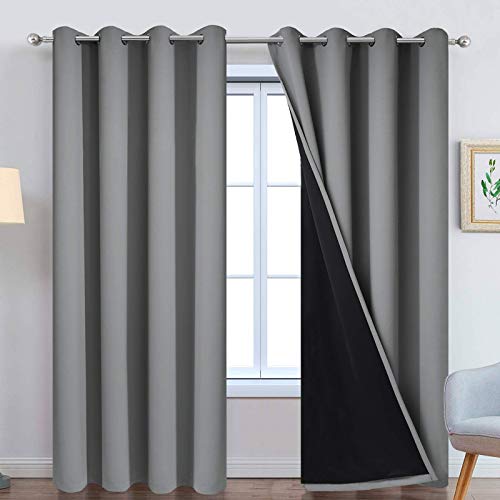

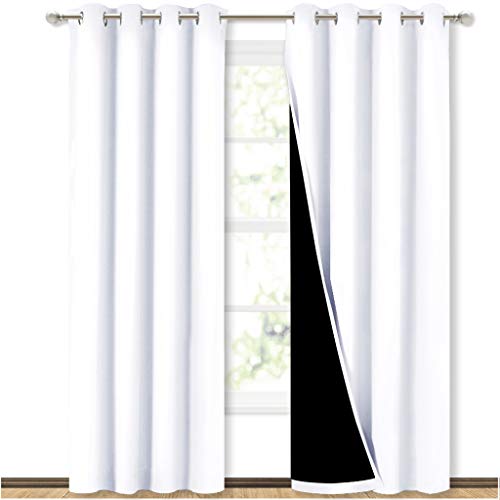

Understanding the Science Behind Thick Curtain Layers
While you might think of thick curtain layers simply as a means of blocking light or providing privacy, the science behind their design is rooted in complex principles of material science and physics. These curtains greatly influence thermal dynamics, acting as barriers that control heat transfer between your indoor environment and the outside world. Their layered composition creates air pockets that enhance insulation, effectively reducing energy loss. Additionally, thick curtains can improve air circulation within a room, allowing for a more stable temperature by preventing drafts. By understanding these principles, you can appreciate how thick curtain layers not only contribute to comfort but also empower you to maintain a more energy-efficient living space. This knowledge fosters freedom in managing your environment effectively.
Choosing the Right Materials for Maximum Insulation
When selecting materials for thick curtains aimed at maximizing insulation, it’s essential to evaluate their thermal properties and structural characteristics. Look for insulation materials with high R-values, as they effectively resist heat transfer. Fabrics like wool, polyester, and dense cotton are excellent fabric types that provide substantial insulation. Consider blends that enhance durability while maintaining thermal efficiency. Heavyweight materials can also reduce airflow, further enhancing performance. Additionally, reflectivity is important; materials with a reflective backing can help keep warmth in. Testing samples in your environment can help fine-tune your choices, ensuring you’re not just picking a fabric, but a solution that empowers you to maintain a comfortable living space, free from the harshness of freezing temperatures.
Layering Techniques for Optimal Performance
To achieve peak performance from thick curtains, it is vital to understand the principles of layering. Implementing effective layering strategies enhances insulation and minimizes thermal transfer. Start with a dense fabric as the primary layer, ensuring it blocks drafts and heat loss. Next, add a mid-layer that can include thermal lining, which further traps air and improves insulation. Finally, consider a decorative outer layer that complements your space while providing additional protection. Each layer should work in harmony to maximize performance enhancement, allowing you to maintain a comfortable indoor environment despite harsh external conditions. Remember, proper installation is significant; gaps or misalignment can compromise the benefits of your layering strategies, undermining your efforts in achieving peak performance.
Aesthetic Considerations: Style Meets Function
Although function is paramount in thick curtain design, aesthetics play an essential role in achieving a harmonious balance within your space. You’ll want to reflect on how colors, patterns, and textures align with your overall decor while ensuring that your curtains still serve their purpose. Combining aesthetic appeal with functional design can transform a room, providing both style and efficiency.
| Element | Aesthetic Appeal | Functional Design |
|---|---|---|
| Color | Complements room palette | Absorbs heat/cold |
| Pattern | Enhances visual interest | Reduces glare |
| Texture | Adds depth and comfort | Improves insulation |
| Length | Creates a dramatic effect | Provides full coverage |
| Layering | Offers visual complexity | Enhances thermal barriers |
Balancing these elements will result in a sophisticated look without compromising performance.
Maintenance Tips for Longevity and Effectiveness
Aesthetic appeal in thick curtains shouldn’t overshadow the need for proper maintenance, which is essential for guaranteeing their longevity and effectiveness. Implementing preventive care and conducting routine inspections can greatly enhance your curtains’ performance. Consider these tips:
- Regular Cleaning: Dust and allergens can accumulate; use a vacuum with a brush attachment to maintain fabric integrity.
- Check for Damage: Inspect seams and linings periodically for wear and tear; early detection can prevent larger issues.
- Adjust Hardware: Make sure curtain rods and hooks are secure and functioning properly to avoid unnecessary strain on the fabric.
Frequently Asked Questions
How Do Thick Curtain Layers Impact Energy Bills in Winter?
Thick curtain layers can drastically lower your energy bills in winter, providing significant insulation benefits. While some may overlook their impact, you’ll find that energy savings are substantial, enhancing your home’s comfort and efficiency.
Can Thick Curtains Reduce Outside Noise in Addition to Cold?
Yes, thick curtains can effectively provide sound absorption and noise reduction. Their dense fabric helps dampen external sounds, creating a quieter environment, which enhances your comfort and freedom within your living space.
What Are the Best Colors for Thick Curtains in Freezing Regions?
When choosing colors for thick curtains in freezing regions, consider deep blues or rich reds. These hues not only align with color psychology to evoke warmth but also reflect current design trends, enhancing your space’s comfort and aesthetics.
How Do I Clean Thick Curtain Layers Without Damaging Them?
To clean thick curtain layers, use gentle fabric care techniques. Hand wash or use a delicate cycle with mild detergent. Follow curtain maintenance tips, like air drying, to preserve integrity and prevent damage from harsh cleaning methods.
Are There Eco-Friendly Options for Thick Curtains?
“Better safe than sorry,” so consider eco-friendly options for thick curtains made from sustainable materials like organic cotton or linen. Natural fibers not only reduce environmental impact but also enhance the aesthetic appeal of your space.