
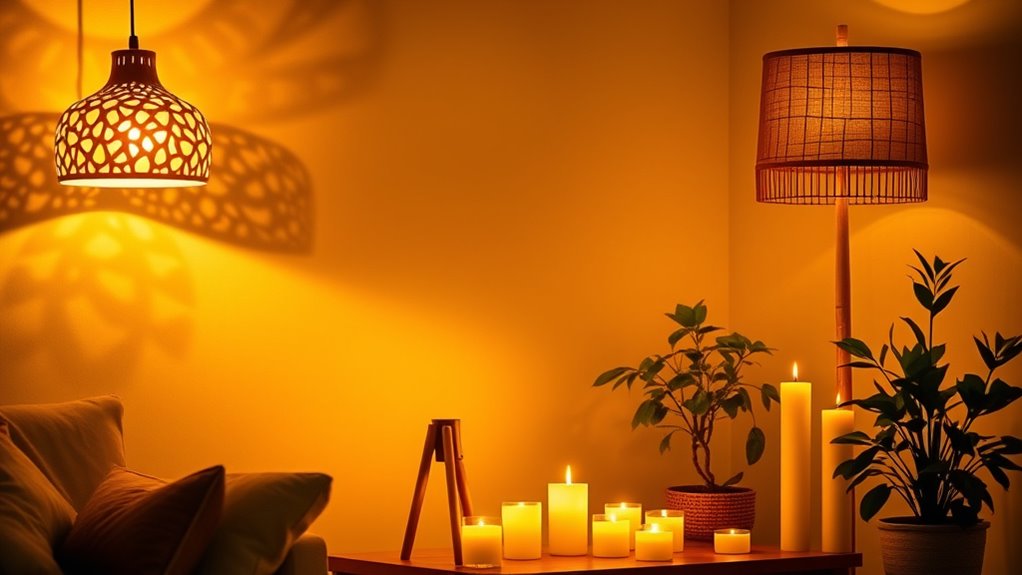
Imagine a home bathed in soft, warm light, yet powered by the sun’s energy or efficient LED technology. Eco-friendly lighting choices not only reduce your energy bills but also contribute to a healthier planet. By choosing sustainable options, you can enhance your living spaces while minimizing your carbon footprint. What are the best strategies to make these improvements in your own home? Exploring the options could lead to surprising benefits.
Understanding Eco-Friendly Lighting Options
As you explore eco-friendly lighting options, it’s essential to understand the various technologies available that can greatly reduce your energy consumption and carbon footprint. One compelling choice is ambient lighting, which enhances your space while minimizing energy use. By opting for energy-efficient fixtures, you can create a warm and inviting atmosphere without excessive electricity costs. Incorporating smart technology takes this a step further; with smart bulbs, you can control brightness and color through apps or voice commands, optimizing your energy usage based on your needs. This not only fosters a personalized environment but also offers the freedom to adjust settings for different occasions. Embracing these options empowers you to make eco-conscious decisions while enjoying enhanced comfort and convenience in your living spaces.
Benefits of Switching to LED Bulbs
Switching to LED bulbs offers a multitude of benefits that can greatly enhance both your home and the environment. By making this change, you’ll experience significant cost savings and enjoy a longer lifespan for your lighting. Here are a few reasons to contemplate:
- Energy Efficiency: LED bulbs use up to 80% less energy than traditional incandescent bulbs, reducing your electricity bill.
- Longevity: With a lifespan of up to 25,000 hours, LED bulbs outlast standard options, meaning fewer replacements and less waste.
- Eco-Friendly: LEDs contain no harmful materials and are 100% recyclable, making them a responsible choice for the planet.
Embracing LED technology not only benefits your wallet but also contributes to a more sustainable future. Make the switch today!
Exploring Solar-Powered Lighting Solutions
While many homeowners are aware of the benefits of LED lighting, exploring solar-powered lighting solutions can further enhance your energy efficiency and sustainability efforts. Solar garden lights are an excellent choice for outdoor installations, providing both beauty and functionality. They harness the sun’s energy, reducing your carbon footprint while saving on electricity costs.
Here’s a quick comparison of solar-powered lighting options:
| Type | Brightness (Lumens) | Installation Ease |
|---|---|---|
| Solar Garden Light | 10-100 | Very Easy |
| Solar Path Light | 50-200 | Easy |
| Solar Flood Light | 100-800 | Moderate |
| Solar Wall Light | 30-150 | Very Easy |
Energy-Efficient Fixtures and Designs
When you consider upgrading your home lighting, energy-efficient fixtures and designs not only enhance your aesthetic but also markedly lower your energy consumption. By choosing smart lighting options, you can automate your home’s illumination to fit your lifestyle, ensuring lights are used only when needed.
Here are some key factors to keep in mind:
- Fixture Placement: Strategically position fixtures to maximize natural light and reduce reliance on artificial sources.
- LED Technology: Opt for LED bulbs that consume less energy and have a longer lifespan than traditional options.
- Dimmers and Sensors: Install dimmers and motion sensors to adjust light levels based on your needs, further cutting energy costs.
Embrace these choices for a stylish, eco-friendly living space that aligns with your values.
Tips for Creating a Sustainable Lighting Plan
Incorporating energy-efficient fixtures is just the beginning of crafting a sustainable lighting plan for your home. To truly enhance your space, consider using sustainable materials for your fixtures and bulbs. These options not only reduce your carbon footprint but also add character to your décor. Next, embrace smart technology—installing smart dimmers and timers can optimize your lighting usage, ensuring you only use energy when you need it. Don’t forget to assess your natural lighting; maximizing daylight can greatly cut down on artificial lighting needs. By thoughtfully combining these elements, you’ll create a harmonious and eco-friendly atmosphere that liberates you from unnecessary energy costs while contributing to a healthier planet. Make these changes today for a brighter, sustainable tomorrow.
Frequently Asked Questions
How Do I Recycle Old Light Bulbs Properly?
To recycle old light bulbs properly, find local light bulb recycling programs or drop-off sites. Avoid regular trash disposal methods; they can harm the environment. Your responsible actions help create a healthier planet for everyone.
Are There Eco-Friendly Lighting Options for Outdoor Spaces?
Yes, there are eco-friendly lighting options for outdoor spaces. Consider solar pathway lights and energy-efficient garden lanterns. They reduce energy consumption, enhance your outdoor aesthetics, and provide you with freedom to enjoy your space sustainably.
Can I Mix Different Types of Eco-Friendly Bulbs?
Yes, you can mix different types of eco-friendly bulbs, but verify bulb compatibility for peak performance. Combining them can enhance energy efficiency while maintaining your desired lighting ambiance, giving you the freedom to create your perfect space.
What Is the Lifespan of an LED Bulb?
An LED bulb’s lifespan can reach 25,000 to 50,000 hours, showcasing impressive LED longevity. This efficiency not only saves you money but also reduces waste, granting you the freedom to enjoy bright, sustainable lighting longer.
How Do Lighting Choices Impact Indoor Air Quality?
Your lighting choices considerably affect indoor air quality. Some bulbs emit indoor pollutants, worsening respiratory issues. By opting for low-emission lighting, you can create a healthier environment, enhancing your freedom to breathe easily and thrive indoors.