

Like a ship maneuvering treacherous waters, placing a gazebo in windy, cold regions requires careful consideration of the elements. You need to analyze local wind patterns and identify natural windbreaks that can shield your structure. Additionally, optimizing sun exposure can enhance comfort. But there’s more to this process than mere placement; understanding the foundational stability and material choices can make all the difference in withstanding harsh conditions. What other factors should you consider?



Assess the Wind Patterns in Your Area
How can you effectively determine the wind patterns in your area before placing a gazebo? Start with wind direction analysis, observing the prevailing winds during different seasons. Use local weather data or an anemometer to gauge wind speeds and directions. Note seasonal wind shifts; they often change dramatically, impacting your gazebo’s stability and comfort. Mapping these patterns helps you choose a suitable site, ensuring your structure stands resilient against gusts. Embrace the freedom of outdoor living by harmonizing your gazebo with nature’s rhythms, allowing you to enjoy your space without the constant battle against the elements.
Choose a Natural Windbreak
Once you’ve assessed the wind patterns in your area, the next step is to choose a natural windbreak that can improve your gazebo’s protection. Look for landscape features like dense trees, shrubs, or hills that act as natural barriers against harsh winds. These elements not only shield your gazebo but also create a more inviting atmosphere. Consider the height and density of these features; they should be substantial enough to redirect wind flow effectively. Strategically positioning your gazebo near these natural windbreaks guarantees a balance between enjoying the outdoors and maintaining comfort, granting you the freedom to relax in your space.
Consider Sun Exposure
When choosing a spot for your gazebo, think about how the sun will hit it throughout the day. Positioning it to catch the morning sun can create a warm and inviting space, while shade from nearby trees can provide relief during hot afternoons. Additionally, consider the angle of the winter sun; a well-placed gazebo can help maximize warmth during colder months.
Morning Sun Orientation
Positioning your gazebo to take advantage of morning sunlight can considerably enhance your outdoor experience. By aligning it with ideal sunrise angles, you’ll maximize exposure during those crisp mornings. This not only provides a warm welcome but also aids in warmth retention as the sun rises higher. Consider the direction your gazebo faces; a southeast orientation can capture those early rays effectively. This thoughtful placement allows you to enjoy your coffee in a sunlit haven while keeping the chill at bay. Embracing the morning sun can transform your space into a cozy refuge, blending comfort with the beauty of nature.
Shade From Trees
In windy regions, the strategic placement of your gazebo near trees can provide essential shade while also mitigating the effects of strong gusts. When considering tree species selection, opt for sturdy varieties that offer substantial canopy coverage, like oaks or maples. These trees not only shield your gazebo from direct sunlight but also act as a windbreak, creating a more enjoyable environment. Assess their height and spread to guarantee ideal coverage without overshadowing your space. By thoughtfully integrating these natural elements, you enhance both comfort and functionality, allowing you to relish your outdoor haven with a sense of freedom from the elements.
Winter Sun Angles
Understanding the angles of winter sun exposure is essential for optimizing your gazebo placement. In cold months, the sun sits lower in the sky, meaning its rays can be more direct but limited. Position your gazebo to catch maximum sunlight reflection; this can enhance winter warmth, making it a cozy retreat. Consider the surrounding landscape—if nearby structures or trees block sunlight, you might miss out on crucial heat. Aim for a south-facing orientation to harness those precious sunny hours. By strategically placing your gazebo, you’ll not only enjoy the freedom of outdoor space but also embrace the comforting warmth of winter sun.
Elevate the Gazebo
Elevating your gazebo can greatly enhance its stability in windy conditions by reducing wind resistance. Ideally, you should aim for a height that balances visibility and protection, often around six to eight inches above ground level. This strategic elevation not only improves airflow but also adds an aesthetic dimension to your outdoor space.
Benefits of Elevation
While choosing the right spot for your gazebo, elevating it can greatly enhance its stability and functionality, especially in windy areas. The elevation benefits include improved airflow, reducing wind resistance and allowing for better ventilation. With height advantages, you’re less likely to experience debris accumulation, ensuring a cleaner, more inviting space. Additionally, elevating your gazebo might provide panoramic views of your surroundings, enhancing your outdoor experience. This strategic positioning fosters a sense of freedom, inviting you to enjoy nature while remaining sheltered from harsh elements. Elevation is not just about aesthetics; it’s a smart, practical choice for long-term enjoyment.
Ideal Elevation Heights
When selecting the ideal height for your gazebo, it’s essential to take into account both the local wind patterns and your intended use of the space. Elevation benefits include improved ventilation and enhanced views, but height considerations are vital in windy regions. A gazebo that’s too low may feel cramped, while one too high could be more susceptible to gusts. Aim for a height that balances stability and openness, typically around 8 to 10 feet. This allows for a sense of freedom while maintaining structural integrity. Ultimately, the right elevation fosters a harmonious blend of comfort and resilience against nature’s elements.
Secure the Foundation
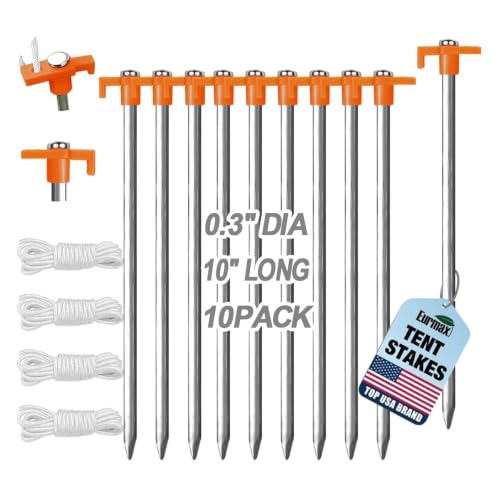
To guarantee your gazebo withstands the challenges posed by strong winds, securing the foundation is paramount. Start by selecting appropriate foundation types—consider concrete pads or gravel bases for stability. Then, employ effective anchoring techniques, such as heavy-duty anchors or ground screws, ensuring they’re driven deep into the soil. These methods will not only enhance resistance to uplift but also promote longevity against harsh weather. Don’t overlook the importance of regular checks; maintaining your foundation’s integrity can free you from worries about potential damage. With a solid foundation, you can enjoy your outdoor space without fear, even on the windiest days.
Use Wind-Resistant Materials
Choosing wind-resistant materials is essential for guaranteeing your gazebo can endure the relentless forces of nature. By opting for durable materials, you create a structure that stands up to harsh winds while maintaining its aesthetic appeal. Here’s a quick comparison to help you choose wisely:
| Material | Wind-Resistant Design |
|---|---|
| Aluminum | Yes |
| Cedar Wood | Moderate |
| Composite Wood | Yes |
| Steel | Yes |
| Vinyl | Moderate |
These options not only enhance stability but also provide the freedom to enjoy your outdoor space without worry. Choose wisely to guarantee longevity!
Plan for Drainage and Ground Stability
Although your gazebo may be built with the sturdiest materials, poor drainage and unstable ground can undermine its structural integrity. To guarantee your structure remains secure, consider these drainage solutions and ground preparation techniques:
- Survey the Site: Identify low areas where water may accumulate.
- Install Drainage Systems: French drains or dry wells can redirect water away.
- Use Gravel Base: A gravel foundation improves drainage and stability.
- Level the Ground: Guarantee a flat, compact surface to prevent shifting.
Prioritizing these steps will not only protect your gazebo but also enhance your outdoor freedom in windy, cold regions.
Frequently Asked Questions
What Is the Ideal Size for a Gazebo in Windy Areas?
For windy areas, you’ll want gazebo dimensions that minimize wind resistance. A smaller, sturdier structure—around 10×10 feet—can withstand gusts better, while ensuring you still enjoy that sense of freedom outdoors without overwhelming exposure.
How Can I Decorate My Gazebo to Withstand Harsh Weather?
To withstand harsh weather, use weather-resistant materials for decorative elements like canvas, treated wood, and metal. Think of your gazebo as a fortress; it deserves beauty that endures, not just decor that withers away.
Should I Use Curtains or Screens for Additional Protection?
You should consider using both curtains and screens for protection. Curtain materials like weather-resistant fabric offer warmth, while screen types like fiberglass provide visibility and airflow. This combo maximizes your gazebo’s functionality and comfort in harsh conditions.
What Type of Furniture Is Best for Windy Conditions?
For windy conditions, opt for furniture made from weather-resistant materials like aluminum or teak, ensuring it’s heavy enough to withstand gusts. Lightweight pieces can easily topple, limiting your outdoor freedom and enjoyment during blustery days.
How Often Should I Inspect My Gazebo’s Structural Integrity?
You should inspect your gazebo’s structural integrity like it’s the last fortress against a storm! Follow a strict maintenance schedule, checking for wind resistance issues at least twice a year to guarantee its strength and longevity.