
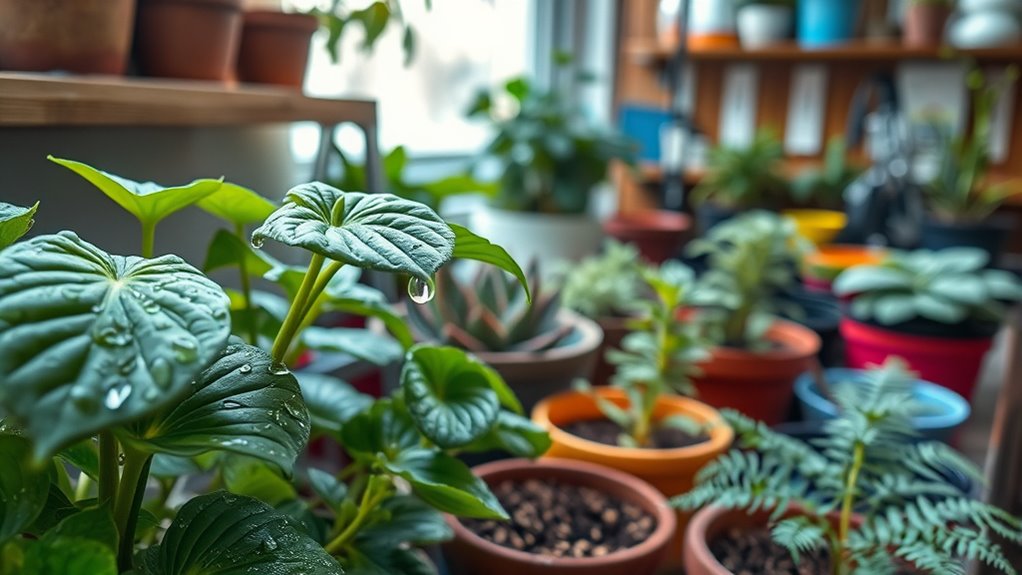
Caring for indoor plants during winter in enclosed spaces requires careful attention to various factors. You’ll need to adjust light exposure, manage humidity, and control temperature to foster healthy growth. Additionally, modifying your watering practices and employing specific fertilizing techniques can make a significant difference. Understanding these elements is essential, especially as winter presents unique challenges for plant care. Let’s explore how you can effectively support your plants through the cold months ahead.



Adjusting Light Exposure for Indoor Plants
As winter approaches and daylight hours dwindle, it’s essential to adjust light exposure for your indoor plants to prevent stress and promote healthy growth. Focus on the light spectrum; plants require specific wavelengths for photosynthesis. Place your plants near south or west-facing windows to maximize natural light. If natural light is insufficient, consider using grow lights that mimic the sunlight’s spectrum. Adjust plant placement regularly to guarantee all leaves receive adequate light. Remember, your plants’ well-being depends on proper light exposure, so monitor their response and adapt accordingly to maintain robust, thriving greenery throughout the winter months.
Managing Humidity Levels in Your Home
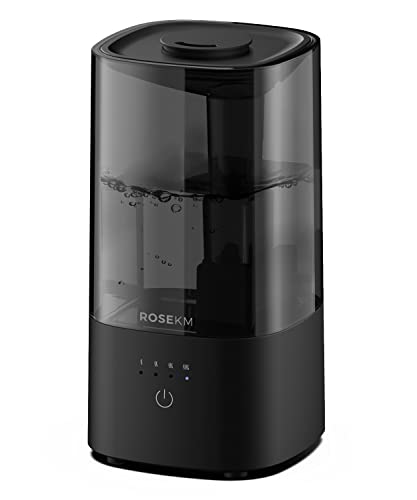
While you may enjoy the cozy warmth of your home during winter, the dry indoor air can be detrimental to your plants. Effective humidity control is vital for maintaining healthy foliage and preventing stress. Consider using a humidifier to increase moisture levels, or group plants together to enhance moisture retention through transpiration. Regularly misting your plants can also help, but avoid over-saturation. Placing water trays with pebbles beneath pots allows for natural evaporation, boosting humidity. Monitoring humidity levels with a hygrometer guarantees you provide the right environment, allowing your plants to thrive even in the driest winter conditions.
Temperature Control for Optimal Growth
To guarantee your plants thrive this winter, you’ll want to maintain an ideal temperature range specific to each species, typically between 65°F to 75°F. Regularly monitoring temperature fluctuations is essential, as sudden drops or rises can stress your plants and hinder their growth. Implementing a thermostat or thermometer can help you maintain a stable environment for peak plant health.
Ideal Temperature Range
Maintaining the ideal temperature range for your indoor plants is fundamental for their health and growth, especially during the winter months. Different plant species have varying temperature preferences; tropical plants typically thrive between 65°F and 75°F, while succulents may prefer slightly cooler conditions. It’s imperative to research the specific needs of your plants, as extremes can lead to stress or stunted growth. Draft a plan to guarantee a consistent environment, avoiding cold drafts and sudden temperature changes. By understanding and meeting these temperature requirements, you create a nurturing atmosphere that promotes liveliness and resilience in your indoor garden.
Monitoring Temperature Fluctuations
Consistent monitoring of temperature fluctuations is crucial for ensuring your plants thrive throughout the winter. Seasonal temperature changes can drastically affect your indoor climate, impacting growth and health. Use a reliable thermometer to track daily temperatures, aiming to maintain a stable range suitable for your plants. Consider investing in a smart thermostat or temperature controller that adjusts automatically, providing consistency. Keep an eye on cold drafts from windows or heating vents, as they can create sharp contrasts. Regularly assess your plants’ responses to these fluctuations, adjusting your care routine as needed to foster ideal growth and health.
Modifying Watering Practices During Winter
As temperatures drop and daylight wanes, adjusting your watering practices is essential for the health of your winter plants. Dormant plants require less water, as their metabolic processes slow down. Overwatering can lead to root rot, jeopardizing root health. Aim to check the soil moisture before watering; it’s best to let the top inch dry out. When you do water, give them a thorough soak, ensuring the water reaches the roots. This method will encourage deeper root growth, enhancing resilience. Remember, each plant’s needs can vary, so observe your plants closely to tailor your approach effectively.
Fertilizing Techniques for Winter Months
When winter arrives, it’s vital to adjust your fertilizing techniques to accommodate the dormant state of your plants. You should consider reducing fertilizer frequency and opting for winter-specific formulas that cater to lower nutrient needs. Additionally, regularly monitoring soil nutrients will help guarantee your plants receive the essential elements they require during this colder season.
Adjusting Fertilizer Frequency
Although many gardeners maintain a regular fertilization schedule during the growing season, adjusting fertilizer frequency in winter is essential for plant health. During this dormant period, your plants require fewer nutrients, so consider reducing application rates. Focus on slow-release fertilizer types, which provide a steady nutrient balance without overwhelming your plants. Monitor their growth and adjust accordingly, as some may still need light feeding based on light exposure and temperature. Always evaluate the specific needs of each plant variety, ensuring you’re not depriving them of essential nutrients while avoiding over-fertilization, which can lead to detrimental effects in winter.
Choosing Winter-Specific Fertilizers
How do you select the right fertilizers for winter care? It’s essential to choose products that support your plants’ needs during their dormant phase. Consider these tips:
- Opt for organic options to enhance soil health.
- Look for slow release formulas that provide nutrients gradually.
- Check the nutrient ratio; a balanced mix is ideal.
- Verify compatibility with your specific plant types.
Using these guidelines, you can maintain your plants effectively without over-fertilizing. Remember, the goal is to keep them nourished yet unbothered by the harsh winter environment, allowing them to thrive when spring arrives.
Monitoring Soil Nutrients
To guarantee your plants receive the right nutrients during the winter months, monitoring soil health becomes essential, especially since many plants enter a dormant period. Conduct soil testing to evaluate nutrient levels and identify potential deficiencies. This can help you tailor your fertilization strategy effectively. While most plants slow down, they still need important nutrients like nitrogen, phosphorus, and potassium. If deficiencies arise, consider using slow-release fertilizers or organic options that won’t overwhelm the roots. Regularly checking soil moisture and adjusting your fertilization schedule will guarantee your plants remain healthy and ready for vigorous growth when spring arrives.
Troubleshooting Common Winter Plant Issues
As winter sets in, many plant enthusiasts face a variety of challenges that can threaten the health of their indoor and outdoor greenery. Here are some common issues and solutions:
- Leaf Drop: Verify humidity levels are adequate; consider using a humidifier.
- Pest Control: Regularly inspect for pests like spider mites; treat promptly with insecticidal soap.
- Overwatering: Adjust your watering schedule; cold temperatures reduce plant transpiration.
- Low Light: Move plants closer to light sources or supplement with grow lights.
Frequently Asked Questions
Can I Use Artificial Lights for My Indoor Plants?
Yes, you can use artificial lighting to enhance plant growth. By mimicking sunlight, these lights provide essential energy, ensuring your indoor plants thrive, flourish, and reach their full potential, even in less-than-ideal natural conditions.
How Often Should I Clean My Plant Leaves in Winter?
You should clean your plant leaves bi-weekly during winter maintenance. Dust accumulates, blocking light and hindering photosynthesis. Gently wipe leaves with a damp cloth to guarantee they stay healthy and vibrant throughout the season.
Are There Specific Plants That Thrive Better in Winter?
Yes, certain hardy varieties like winter jasmine and hellebores thrive in winter. These plants offer beautiful winter blooms, requiring less sunlight and providing vibrant color to your space, even in the coldest months.
Should I Repot My Plants During the Winter Months?
It’s better to wait for spring to repot your plants, as winter’s not the best time for such changes. If you must, use gentle repotting techniques and make certain winter soil retains warmth and moisture.
How Do I Prevent Pests in My Indoor Plants During Winter?
To prevent pests in your indoor gardening during winter, regularly inspect plants, maintain humidity, and use insecticidal soap or neem oil. Quarantine new arrivals and keep your environment clean to guarantee effective pest prevention.