
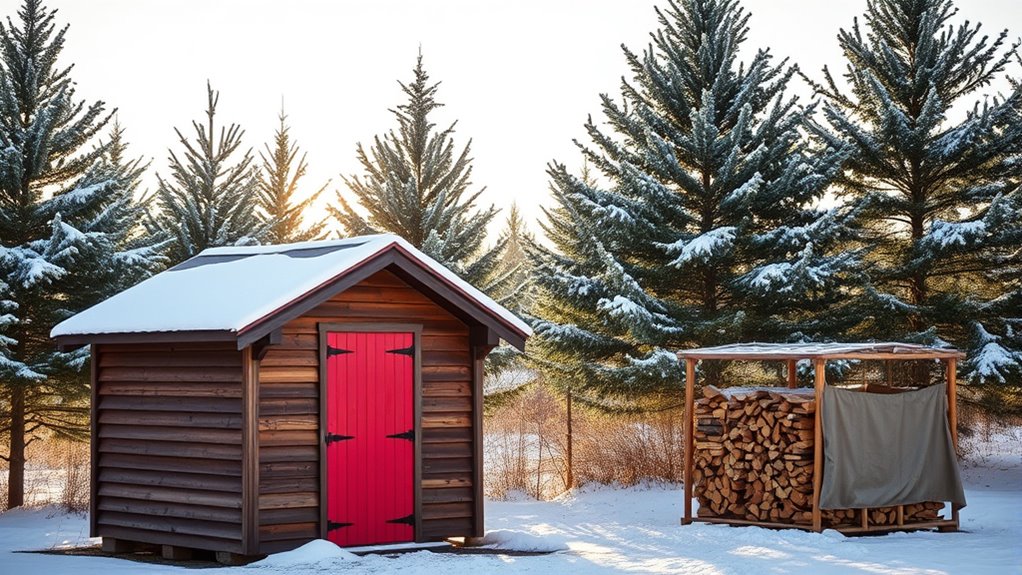
As winter approaches, it’s time to prepare your home for the chilly months ahead. This season can be unforgiving, but with the right maintenance tips, you can guarantee your home stays cozy and safe. From inspecting your heating system to checking your roof, each step plays a vital role. You might be surprised at what simple actions can save you from larger problems later on. So, what should be on your winter maintenance checklist?
Inspect and Maintain Your Heating System
Before the cold weather sets in, it’s essential to inspect and maintain your heating system to guarantee it operates efficiently throughout winter. Start by checking your furnace filter; a clean filter boosts heating efficiency and prolongs system life. Next, inspect your thermostat settings to verify accurate temperature control. Consider system upgrades, like a programmable thermostat or more efficient heating units, which can save you money in the long run. Don’t forget to schedule a professional inspection—this can prevent costly repairs down the line. With these steps, you’ll enjoy a warm, comfortable home while embracing the season’s freedom.
Seal Windows and Doors
After ensuring your heating system is ready for winter, it’s time to focus on sealing windows and doors to prevent drafts and heat loss. Start with window insulation; consider using film or foam to cover any cracks. This’ll help keep your space cozy and reduce energy bills. Next, install door weatherstripping around all exterior doors. This simple step can greatly lower the cold air seeping in, creating a more comfortable living environment. Don’t forget to check for gaps regularly, especially after storms, to maintain your home’s efficiency. By sealing these areas, you’ll enjoy a warmer, more energy-efficient winter.
Protect Your Plumbing
To protect your plumbing during winter, it’s essential to insulate any exposed pipes in unheated areas, like basements or crawl spaces. Additionally, maintaining consistent thermostat settings helps prevent your home’s temperature from dropping too low, which can lead to frozen pipes. Taking these preventative measures now can save you from costly repairs later on.
Insulate Exposed Pipes
As temperatures plunge during winter, ensuring your plumbing system remains intact becomes essential, especially when it comes to exposed pipes. To prevent frozen pipes that can lead to costly repairs, invest in quality pipe insulation. Foam sleeves or heat tape can wrap around vulnerable areas, greatly reducing the risk of freezing. Focus on pipes in unheated spaces like basements, attics, or exterior walls. Additionally, consider letting faucets drip during extreme cold to relieve pressure. By taking these proactive steps, you’ll maintain your plumbing’s integrity and enjoy the freedom of a worry-free winter. Protect your home with simple, effective insulation solutions.
Maintain Thermostat Settings
Keeping your plumbing safe from the winter chill doesn’t end with insulating exposed pipes; maintaining your thermostat settings is equally important. Use thermostat programming to guarantee your home stays warm enough to prevent freezing pipes while maximizing energy efficiency. Set your thermostat to a consistent temperature, ideally above 55°F, even when you’re away. Avoid drastic temperature changes, as they can stress your plumbing and increase heating costs. Regularly check your thermostat’s accuracy and batteries, making sure it operates smoothly. By making these adjustments, you not only protect your plumbing but also enjoy a cozy, efficient home throughout the winter months.
Check and Clean Your Roof and Gutters
One of the most critical tasks for winter preparedness is checking and cleaning your roof and gutters. Neglecting roof maintenance can lead to ice dams and leaks, jeopardizing your home’s integrity. Start by inspecting for damaged shingles or debris. Clear away leaves and branches that could trap water. When it comes to gutter cleaning, make sure they’re free of clogs to allow proper drainage. This prevents ice buildup and protects your foundation. Use a sturdy ladder and wear gloves for safety. Regular checks and cleanings not only extend the life of your roof but also save you from costly repairs down the line.
Service Your Chimney and Fireplace
To guarantee your chimney and fireplace function safely and efficiently, schedule annual inspections with a professional. Regular cleaning is essential to remove creosote buildup, which can lead to dangerous chimney fires. Additionally, always check for cracks or damage in the chimney structure to prevent hazardous situations during the winter months.
Schedule Annual Inspections
Scheduling annual inspections for your chimney and fireplace is vital for maintaining a safe and efficient heating system. These inspections help identify potential hazards and guarantee everything’s functioning correctly. Create an inspection checklist to cover all important components, from flues to dampers. Set seasonal reminders to keep your schedule on track, making sure you don’t forget this vital task. An experienced professional can catch issues early, saving you from costly repairs down the line. Plus, regular inspections give you peace of mind, allowing you to enjoy the warmth of your fireplace without worry. Stay proactive for a cozy, worry-free winter!
Clean Chimney Regularly
After guaranteeing your chimney and fireplace are inspected annually, another key aspect of maintaining them is regular cleaning. You should schedule chimney sweeping at least once a year to remove soot and creosote buildup, which can pose a fire hazard. A clean chimney guarantees proper ventilation and enhances efficiency, making your home more comfortable. Don’t forget to check that your smoke detector is functioning correctly; it’s your first line of defense against fire. Embrace the freedom of enjoying your fireplace without worry by keeping these essential maintenance tasks in mind. Stay proactive, and your winter nights will be safe and cozy.
Check for Cracks
One critical aspect of chimney and fireplace maintenance is regularly checking for cracks. These fissures can lead to serious issues if left unattended. During your foundation inspections, keep an eye out for any signs of deterioration around your chimney. If you spot cracks, it’s essential to take action. Small cracks can often be repaired with sealant, while larger ones may require professional wall repairs. Below is a quick reference table to help you identify and address crack issues:
| Crack Size | Recommended Action |
|---|---|
| Hairline | Seal with caulk |
| Small (1/4 inch) | DIY patching |
| Medium (1/2 inch) | Professional assessment |
| Large (over 1/2 inch) | Structural repair needed |
| Extensive damage | Complete rebuild advised |
Stock Up on Winter Supplies
As the temperatures begin to drop, it’s crucial to guarantee you’re prepared by stocking up on winter supplies that can keep you and your home safe and comfortable. Start by creating a winter emergency kit; include items like a flashlight, batteries, blankets, bottled water, and non-perishable food. Check your essential supplies checklist to verify you have a snow shovel, ice melt, and a first aid kit ready. Don’t forget to keep your car stocked with essentials too, like an extra warm blanket and a basic toolkit. Being proactive now will give you peace of mind when winter weather strikes.
Prepare Your Outdoor Spaces
While you might think of winter as a time for cozy indoors, preparing your outdoor spaces is just as important. Protect your outdoor furniture by covering it or storing it away, preventing damage from snow and ice. Consider winter landscaping by adding evergreen plants or decorative elements that enhance your yard’s beauty, even in cold months.
Here’s a quick reference table for your winter outdoor prep:
| Task | Tips |
|---|---|
| Cover Outdoor Furniture | Use waterproof covers |
| Trim Trees & Shrubs | Prevent breakage from snow loads |
| Add Mulch | Insulate plants against frost |
| Clean Gutters | Prevent ice dams |
| Plan for Spring | Sketch future landscaping ideas |
Review Your Home Insurance Policy
After guaranteeing your outdoor spaces are ready for winter, it’s wise to turn your attention to your home insurance policy. Review your policy coverage to confirm it adequately protects against winter-related damages, like burst pipes or roof collapses. Check if you have sufficient liability coverage, especially if guests visit during the holidays. Familiarize yourself with the claim process, as knowing how to file a claim can save you stress later. It’s also a good time to update any personal property values to reflect recent purchases. A well-understood policy guarantees peace of mind, letting you enjoy the season freely.
Frequently Asked Questions
How Often Should I Replace My Furnace Filter During Winter?
You should replace your furnace filter every 1-3 months during winter. Regular furnace maintenance keeps air clean. Consider filter types like HEPA or pleated for better efficiency, ensuring your home stays cozy and comfortable.
What Are the Best Materials for Weatherproofing Windows?
The best materials for weatherproofing windows include weatherstripping, caulk, and window film. These weatherproofing techniques enhance window insulation, reducing drafts and heating costs, giving you more freedom to enjoy your home comfortably during cold months.
How Can I Prevent Ice Dams on My Roof?
To prevent ice dams on your roof, focus on preventive measures like improving insulation upgrades in your attic. This keeps heat from escaping, reducing snow melting and refreezing at the eaves, which causes ice dams.
When Should I Winterize My Outdoor Plumbing?
You should winterize your outdoor plumbing before the first hard frost. Insulating pipes and draining faucets can prevent frozen pipes. By taking these steps, you’ll enjoy peace of mind and protect your plumbing system effectively.
What Items Should I Include in My Winter Emergency Kit?
You should include flashlight batteries, thermal blankets, non-perishable food, water, a first-aid kit, and a multi-tool in your winter emergency kit. These essentials keep you prepared and safe during unexpected winter weather challenges.