
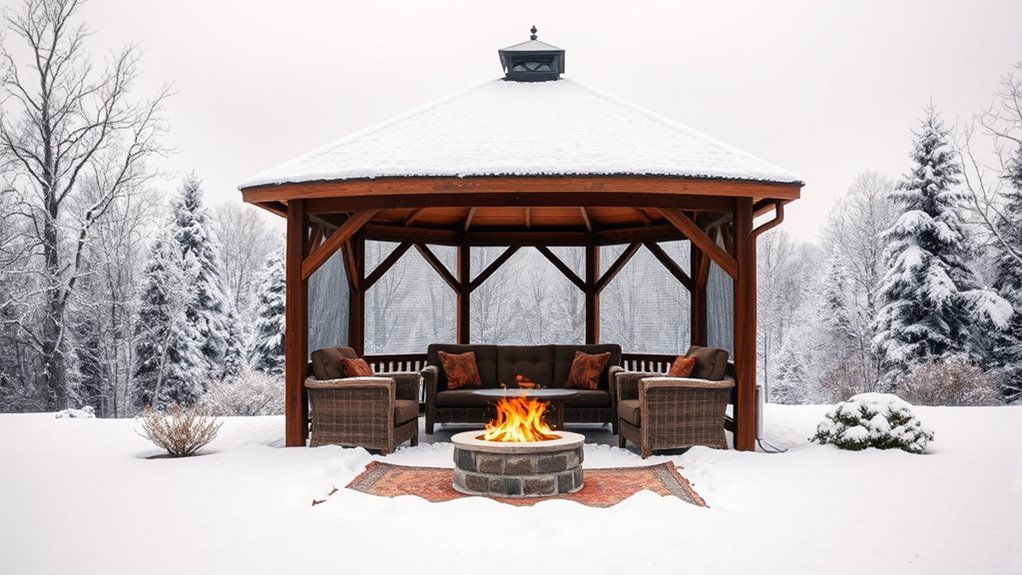
When it comes to selecting a gazebo for those chilly winter months, it’s important to find a structure that’s more than just a pretty shelter. You’ll want to think about materials that can withstand severe cold and snow, as well as features that keep your space warm and inviting. Discovering the right combination can elevate your outdoor experience, making it perfect for gatherings or quiet moments. Let’s explore how to guarantee your gazebo thrives in subzero temperatures.


Understanding Insulation Options
When you’re considering a gazebo for subzero temperatures, understanding insulation options is vital to keeping the space comfortable. Several insulation types can help you create a cozy retreat. For instance, fiberglass batts are effective thermal barriers, while spray foam provides superior insulation and air sealing. You might also explore insulated panels for walls and roofs, which can considerably reduce heat loss. Don’t forget about flooring insulation; it can make a noticeable difference in comfort. By selecting the right insulation, you’ll guarantee your gazebo remains a pleasant escape, even when the temperatures drop. Enjoy that freedom to relax outdoors all year round!
Selecting Durable Materials
When selecting a gazebo for subzero temperatures, choosing weather-resistant materials is crucial for long-lasting durability. You’ll want materials that not only stand up to harsh conditions but also offer good insulation properties to keep the space comfortable. By focusing on these factors, you can guarantee your gazebo remains a cozy retreat, even in the coldest weather.
Weather-Resistant Materials
Although you might envision a cozy outdoor space, choosing a gazebo for subzero temperatures means prioritizing materials that can withstand harsh weather conditions. Look for weather-resistant fabrics and climate-specific coatings to guarantee durability. Here are some key materials to evaluate:
- Aluminum: Lightweight and resistant to rust, perfect for snowy climates.
- Vinyl: Offers excellent weather resistance and is easy to clean.
- Polyester: Durable and often treated with weather-resistant coatings.
Selecting the right materials not only enhances your gazebo’s lifespan but also keeps your outdoor space inviting, even in the coldest months.
Insulation Properties
Beyond selecting the right weather-resistant materials, understanding insulation properties is key to keeping your gazebo comfortable in subzero temperatures. Look for materials with effective thermal barriers, like insulated panels or double-glazed windows, which can greatly enhance warmth. Various insulation types—such as fiberglass, foam, or reflective materials—can also help retain heat while minimizing cold drafts. Choose durable fabrics for the coverings, ensuring they can withstand harsh conditions and maintain their insulating properties. By prioritizing these insulation features, you’ll create a cozy retreat that lets you enjoy the beauty of winter without the chill. Don’t compromise on comfort—embrace the cold with style!
Importance of a Sturdy Frame
When choosing a gazebo for subzero temperatures, a sturdy frame is essential for ensuring it withstands harsh conditions. You’ll want to take into account the durability of materials, how well it resists wind, and its overall weight and stability. A reliable frame not only protects against the elements but also enhances the longevity of your outdoor space.
Material Durability Considerations
Since you’re considering a gazebo for subzero temperatures, it’s important to focus on material durability, particularly the strength of the frame. Opt for robust materials that guarantee outdoor longevity and withstand harsh conditions. Here are some material types to keep in mind:
- Aluminum: Lightweight, rust-resistant, and strong.
- Steel: Offers superior strength but may require rust protection.
- Wood: Aesthetic appeal with proper treatment for weather resistance.
Choosing the right frame material will not only enhance your gazebo’s lifespan but also provide you the freedom to enjoy your outdoor space, even in the coldest months.
Wind Resistance Factors
A sturdy frame isn’t just about durability; it’s essential for wind resistance, especially in areas prone to harsh winter storms. When choosing a gazebo, consider the wind load it can handle. A well-designed frame maintains structural integrity against powerful gusts, preventing potential collapse or damage. Look for materials that reinforce stability, like strong metals or robust wood. Remember, your gazebo should withstand not just snow but also the relentless winds that come with it. By prioritizing a solid frame, you’re ensuring that your outdoor space remains a haven, no matter how fierce the winter weather gets. Choose wisely for lasting freedom!
Weight and Stability
While many factors contribute to the overall performance of a gazebo in subzero temperatures, the weight and stability of the frame are essential. A sturdy frame guarantees that your gazebo can withstand harsh conditions without toppling over. Here are key considerations for weight and stability:
- Weight Distribution: A well-designed gazebo should evenly distribute weight to prevent swaying or collapsing.
- Material Choice: Opt for heavier materials like steel or aluminum for enhanced stability.
- Stability Assessment: Regularly check for any signs of wear or looseness to maintain structural integrity.
Roof Design and Snow Load Capacity
When you’re selecting a gazebo for subzero temperatures, understanding roof design and snow load capacity is essential. A steep roof pitch is beneficial since it encourages snow accumulation to slide off, reducing the risk of heavy buildup. Look for structures that can support substantial weight; a minimum snow load capacity is vital if you live in an area prone to heavy snowfall. Materials like reinforced wood or metal can enhance durability against winter’s harshness. Consider your local climate conditions, too—ensuring your gazebo can withstand seasonal challenges will keep your outdoor space inviting and enjoyable, even in the coldest months.
Weatherproofing Features
Choosing the right weatherproofing features for your gazebo is essential for enduring those harsh subzero temperatures. You’ll want to focus on a few key elements to guarantee durability and comfort:
- Weatherproof coatings: Look for materials treated with high-quality coatings that repel moisture and resist freezing.
- Insulation techniques: Consider double-walled panels or insulated curtains to keep warmth in and cold out.
- Sealed seams: Verify all joints and seams are properly sealed to prevent drafts and moisture intrusion.
Heating Solutions for Comfort
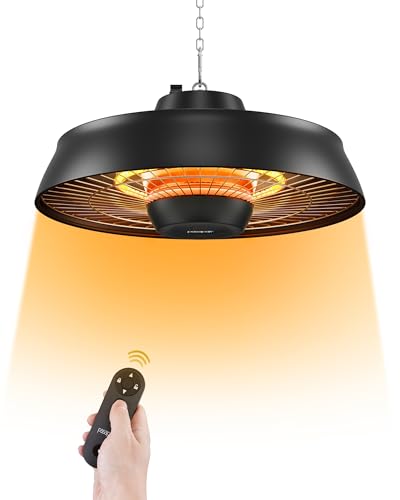
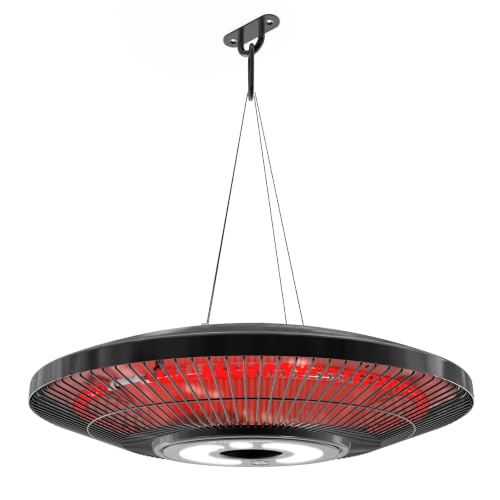
To guarantee your gazebo remains a cozy retreat during frigid subzero temperatures, incorporating effective heating solutions is essential. Consider various heating types to maximize comfort while maintaining energy efficiency.
Here’s a quick comparison of popular heating options:
| Heating Type | Energy Efficiency |
|---|---|
| Electric Heaters | High |
| Propane Heaters | Moderate |
| Wood-Burning Stoves | Variable |
| Infrared Heaters | High |
Each option has its pros and cons, so choose one that complements your lifestyle and space. With the right heating solution, you can enjoy your gazebo all winter long!
Choosing the Right Location
Finding the perfect spot for your gazebo can make all the difference in how much you enjoy it during the winter months. Proper site selection is key, and you’ll want to take into account factors like sunlight exposure to maximize warmth. Here are three essential points to keep in mind:
- Proximity to trees: Avoid areas where overhanging branches can drop snow or ice on your gazebo.
- Wind protection: Look for natural barriers like fences or shrubs to shield you from harsh winds.
- Accessibility: Verify your gazebo is easy to reach, even in snowy conditions, for spontaneous winter gatherings.
Maintenance Tips for Winter Use
While enjoying your gazebo in winter can be a delightful experience, keeping it well-maintained is vital for its longevity and your comfort. Start with regular winter cleaning; remove any debris and check for signs of wear. Don’t forget to perform snow removal promptly—excess snow can damage the structure. Use a soft broom or a roof rake to clear heavy snow from the roof and surfaces gently. After a snowstorm, inspect for ice buildup and address it quickly. These simple maintenance tips will guarantee your gazebo remains a cozy retreat throughout the chilly season, allowing you to enjoy winter’s beauty freely.
Enhancing Your Gazebo With Accessories
If you want to create a warm and inviting atmosphere in your gazebo during the winter months, adding the right accessories can make all the difference. Consider these enhancements to elevate your space:
- Decorative Lighting: String lights or lanterns can add a cozy glow, making evenings magical.
- Outdoor Furniture: Invest in weather-resistant pieces that provide comfort and style.
- Heaters or Fire Pits: These will keep your gazebo toasty, allowing you to enjoy it even in subzero temperatures.
With these accessories, you’ll transform your gazebo into a welcoming retreat, perfect for winter relaxation and gatherings.
Frequently Asked Questions
What Is the Average Cost of a Winter-Ready Gazebo?
A winter-ready gazebo typically costs between $2,000 and $10,000, depending on materials and insulation options. Consider durable materials like vinyl or wood, and guarantee proper insulation for warmth during colder months. Enjoy your cozy outdoor space!
How Long Can a Gazebo Last in Extreme Cold?
A well-built gazebo can last several years in extreme cold, especially if you choose durable materials and consider insulation options. Proper maintenance and weatherproofing will enhance its longevity, ensuring your outdoor space remains inviting.
Can I Use a Regular Gazebo in Subzero Temperatures?
You can use a regular gazebo in subzero temperatures, but it has limitations. Consider winter gazebo modifications, like insulation and reinforcement, to enhance its durability and keep your space enjoyable. Don’t let the cold hold you back!
Are There Specific Brands Known for Winter-Friendly Gazebos?
Yes, several winter gazebo brands offer insulated gazebo options. Look for models from Sunjoy or Sojag, known for durable materials and effective insulation, ensuring you stay cozy in those chilly winter months while enjoying your outdoor space.
How Does a Gazebo Affect Property Value in Cold Climates?
A well-installed gazebo can enhance your property value, even in cold climates. With proper winter maintenance, it becomes an appealing outdoor feature, offering potential buyers a cozy space to enjoy, regardless of the chill outside.