
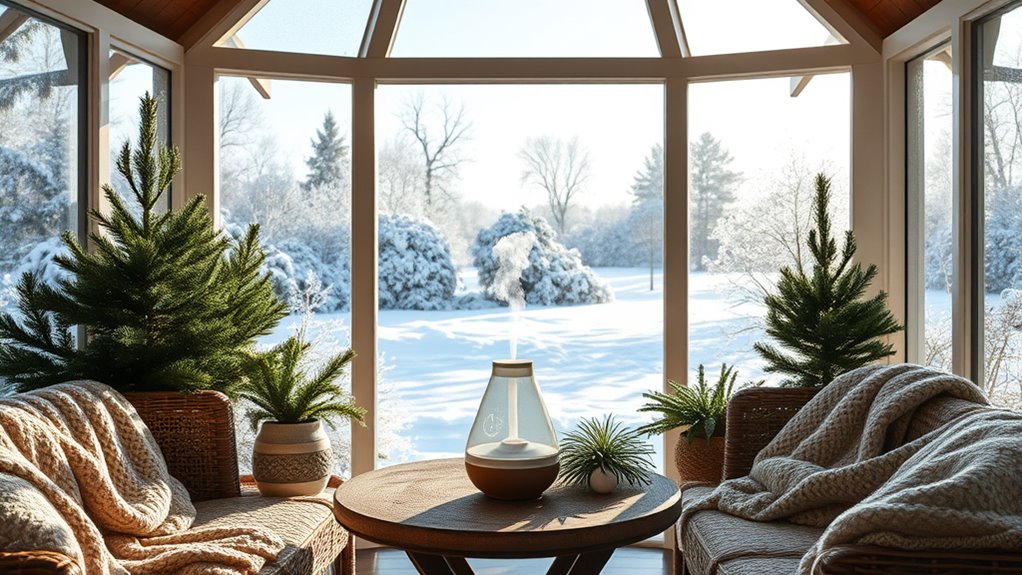
Many people underestimate the impact of humidity on winter gazebos, yet it can lead to significant structural damage and discomfort. Proper management is crucial to guarantee your space remains inviting and functional. From insulation to dehumidifiers, various strategies can help you maintain ideal humidity levels. Understanding these methods and their interactions is key to creating a sustainable environment. Let’s explore the most effective ways to tackle humidity in your gazebo.




Understanding Humidity and Its Effects on Gazebos
Although winter might seem like a time to forget about humidity, it can greatly impact your gazebo’s structure and materials. Common humidity sources include melting snow, rain, and condensation from indoor activities. These elements can lead to moisture buildup, resulting in mold, mildew, and wood rot. You might not realize that high humidity impacts not just the aesthetics but also the integrity of your gazebo. Metal components can corrode, while wooden structures may warp or weaken. Understanding these factors allows you to take proactive measures, ensuring your gazebo remains a sanctuary for relaxation, free from the detrimental effects of winter humidity.
Insulating Your Gazebo for Better Temperature Control
To guarantee your gazebo remains a comfortable retreat during the winter months, insulating it effectively is essential for better temperature control. Utilizing appropriate insulation materials can create thermal barriers that prevent heat loss. Consider options like foam boards, fiberglass, or reflective insulation, which can be installed in walls and ceilings.
| Insulation Material | Benefits |
|---|---|
| Foam Boards | High R-value, lightweight |
| Fiberglass | Cost-effective, fire-resistant |
| Reflective Insulation | Minimizes heat loss |
| Spray Foam | Air-sealing, versatile |
Proper Ventilation Techniques
Effective ventilation is essential for maintaining a healthy atmosphere in your winter gazebo. To achieve ideal humidity control, you should harness natural airflow. Start by positioning windows and vents to encourage cross-ventilation, allowing fresh air to circulate freely. Installing adjustable vents can help you regulate airflow based on the humidity levels inside. Additionally, consider using ceiling fans to promote air movement, which aids in moisture reduction. If possible, leave doors slightly ajar during milder days to increase ventilation. By implementing these techniques, you’ll create a more comfortable environment while effectively managing humidity levels in your gazebo.
Using Dehumidifiers Effectively
When it comes to managing humidity in your winter gazebo, selecting the right dehumidifier is essential for ideal performance. You’ll also need to take into account placement strategies to guarantee effective moisture removal, while regular maintenance will keep your unit running efficiently. Understanding these key factors can greatly enhance your gazebo’s comfort and longevity.
Choosing the Right Dehumidifier
Selecting the right dehumidifier for your winter gazebo can greatly impact the overall comfort and maintenance of the space. Look for energy efficient models that minimize electricity costs while effectively managing humidity. Portable options are ideal, as they allow you to easily reposition the unit based on your needs. Consider the size of your gazebo; a dehumidifier’s capacity should match the square footage for peak performance. Additionally, check for features like adjustable humidistats and built-in pumps, which enhance functionality. By choosing the right dehumidifier, you create a comfortable environment that protects your gazebo from moisture-related issues.
Optimal Placement Strategies
Placing your dehumidifier in the right location greatly enhances its efficiency in managing humidity levels within your winter gazebo. Position it centrally, allowing for ideal airflow throughout the space. Consider your gazebo orientation; if it faces north, it may receive less sunlight exposure, increasing humidity. In contrast, south-facing gazebos benefit from sunlight, helping reduce moisture levels. Avoid placing the dehumidifier in corners or behind furniture, where airflow can be restricted. Make sure it’s elevated slightly off the ground to avoid water pooling and maximize air circulation. With strategic placement, you’ll enjoy a more comfortable, humidity-controlled environment in your winter retreat.
Maintenance and Care Tips
Effective maintenance and care of your dehumidifier are essential for guaranteeing ideal performance and longevity. For peak winter maintenance, regularly clean the filter and empty the water reservoir. Monitor humidity levels in your gazebo to adjust settings accordingly. Here’s a quick reference guide:
| Task | Frequency | Purpose |
|---|---|---|
| Clean Filter | Monthly | Enhances airflow |
| Empty Reservoir | Weekly | Prevents overflow |
| Check Settings | Bi-weekly | Maintains desired humidity |
| Inspect for Leaks | Monthly | Guarantees efficiency |
| Replace Filter | Every 6 months | Improves air quality |
These steps will enhance your gazebo care experience.
The Role of Heating in Humidity Management
While you may enjoy the serene atmosphere of a winter gazebo, managing humidity becomes vital, especially when heating is involved. Effective heating sources like electric heaters or propane units can greatly enhance thermal comfort but also influence humidity levels. As you heat the air, it expands and can hold more moisture, which might lead to condensation on cooler surfaces. To mitigate this, use a dehumidifier or guarantee proper ventilation. Balancing heat and humidity is essential; too much heat can create a damp environment, while too little can lead to discomfort. Aim for a controlled atmosphere for maximum enjoyment of your winter retreat.
Choosing the Right Materials for Your Gazebo
When you’re selecting materials for your winter gazebo, consider weather-resistant options that can withstand moisture and temperature fluctuations. Effective ventilation systems are essential for managing humidity levels, while proper insulation can help maintain a stable environment. Each of these factors plays a significant role in creating a comfortable and durable space.
Weather-Resistant Materials
Choosing the right materials for your gazebo is essential, as the right weather-resistant options can greatly enhance its longevity and functionality. Opt for durable fabrics that can withstand harsh winter conditions, like acrylic or polyester, which resist fading and moisture. Additionally, apply weather-resistant coatings to wooden structures to prevent rot and decay, ensuring they endure the elements. Metal components should be galvanized or powder-coated to resist rust. By selecting these materials, you not only protect your investment but also create a comfortable, inviting space that allows you to enjoy your gazebo all winter long, free from humidity issues.
Ventilation Options
Effective ventilation is essential for maintaining a comfortable environment in your winter gazebo, as it helps to mitigate humidity levels and prevent mold growth. To achieve this, consider options that promote natural airflow, such as strategically placed windows and vents that allow fresh air to circulate. You might also want to explore mechanical ventilation systems, which actively move air through the space, guaranteeing consistent air exchange. Whichever method you choose, make sure it aligns with your gazebo’s design and materials. Balancing these ventilation options will empower you to create a healthy, inviting atmosphere that enhances your winter gazebo experience.
Insulation Considerations
While you may focus on aesthetics when selecting materials for your winter gazebo, insulation should be a top priority to guarantee comfort and energy efficiency. Choosing the right insulation materials is essential; they act as thermal barriers, preventing heat loss and minimizing humidity buildup. Consider options like fiberglass or foam board, which provide excellent R-values. Additionally, seal any gaps to enhance effectiveness. When integrating insulation, remember to balance it with ventilation needs, ensuring air circulation without compromising warmth. Ultimately, investing in proper insulation not only enhances your gazebo’s comfort but also promotes a more sustainable and enjoyable outdoor experience.
Utilizing Moisture Absorbers and Desiccants
As humidity levels rise in winter gazebos, utilizing moisture absorbers and desiccants becomes essential to maintain a comfortable environment. You can employ various moisture absorption techniques to combat excess moisture effectively. Consider these desiccant types:
| Desiccant Type | Features |
|---|---|
| Silica Gel | Non-toxic, reusable |
| Calcium Chloride | Highly effective, absorbs large amounts |
| Activated Charcoal | Odor-absorbing, eco-friendly |
| Clay Desiccants | Natural, cost-effective |
Regular Maintenance and Cleaning Practices
To effectively manage humidity in your winter gazebo, regular maintenance and cleaning are essential. You’ll need to inspect for mold growth, clean surfaces regularly to prevent accumulation, and guarantee that drainage systems are functioning properly to avoid water buildup. By adhering to these practices, you can greatly reduce humidity-related issues and maintain a healthy environment.
Inspect for Mold Growth
Since mold thrives in damp environments, regularly inspecting your winter gazebo for signs of growth is essential to maintaining a healthy space. Start by checking corners, under furniture, and around windows for discoloration or a musty smell—key indicators of mold. Familiarize yourself with mold identification techniques, such as visual inspection and moisture readings, to catch issues early. Implement prevention strategies like controlling humidity levels and ensuring proper ventilation. Keep an eye out for condensation on surfaces, as this can promote mold growth. Staying proactive will help you enjoy your gazebo while avoiding the health risks associated with mold exposure.
Clean Surfaces Regularly
Regularly cleaning surfaces in your winter gazebo is essential for preventing the buildup of dust, dirt, and potential allergens. Establishing a consistent cleaning schedule tailored to your surface materials—like wood, metal, or fabric—ensures proper maintenance. Use appropriate cleaners that won’t damage these materials; for instance, mild soap and water work well on wood, while metal surfaces may require specialized products. Pay special attention to corners and crevices, where moisture can accumulate. Regular cleaning not only enhances your gazebo’s appearance but also contributes to a healthier environment, allowing you to enjoy this space freely and comfortably during the winter months.
Maintain Drainage Systems
While enjoying your winter gazebo, it’s essential to verify that drainage systems function effectively to prevent water accumulation and potential damage. Regular drainage maintenance is vital for peak water runoff. Follow these practices:
- Inspect Gutters and Downspouts: Confirm they’re clear of debris to facilitate proper water flow.
- Clean Drains: Regularly remove any obstructions from ground-level drains to minimize flooding risks.
- Check for Blockages: Periodically assess the entire drainage system for signs of blockage that could impede water movement.
Monitoring Humidity Levels With Hygrometers
To effectively manage humidity levels in your winter gazebo, monitoring them with hygrometers is essential, as these devices provide accurate readings that can inform your climate control strategies. There are various hygrometer types, including analog, digital, and smart versions, each suited for different needs.
| Hygrometer Type | Pros | Cons |
|---|---|---|
| Analog | Simple, no batteries | Less precise |
| Digital | Accurate, easy to read | Requires batteries |
| Smart | Remote access, alerts | Higher cost |
Choose the right one for effective humidity monitoring to maintain a comfortable environment.
Creating a Cozy Environment With Plants and Decor
Once you’ve monitored your gazebo’s humidity levels, enhancing the space with plants and decor can greatly improve its coziness. Consider these tips for effective plant selection and decorative accents:
- Choose humidity-loving plants: Opt for ferns, peace lilies, or spider plants that thrive in moist environments.
- Incorporate decorative accents: Use cozy textiles like throws and cushions to create a warm atmosphere.
- Utilize ambient lighting: Soft, warm lights can enhance the aesthetic and comfort of your gazebo.
Frequently Asked Questions
Can Humidity Affect the Structural Integrity of My Gazebo?
Yes, humidity can compromise your gazebo’s structural integrity. Excess moisture leads to humidity damage like wood rot and mold. Regular gazebo maintenance, including ventilation and protective treatments, is essential to prevent these issues and guarantee longevity.
How Often Should I Check Humidity Levels in Winter?
You should check humidity levels weekly during winter. Utilize humidity measuring tools to monitor conditions, and implement humidity control methods as needed. This proactive approach helps maintain your gazebo’s integrity and keeps it comfortable year-round.
What Are Signs of Excessive Humidity in My Gazebo?
If you notice moisture detection like water droplets on surfaces or persistent condensation problems, your gazebo’s humidity levels may be too high. Pay attention to musty odors and mold growth to guarantee a comfortable space.
Are There Specific Plants That Help Reduce Humidity?
Yes, humidity-loving plants like peace lilies and ferns can help reduce indoor humidity. Incorporating these into your indoor gardening can create a balanced environment, promoting healthier air quality while enjoying the freedom of lush greenery.
Can I Use My Gazebo During High Humidity Conditions?
Yes, you can use your gazebo during high humidity conditions, but guarantee proper gazebo ventilation. Incorporating humidity control methods, like fans or dehumidifiers, will enhance comfort and maintain a pleasant atmosphere for your outdoor space.