
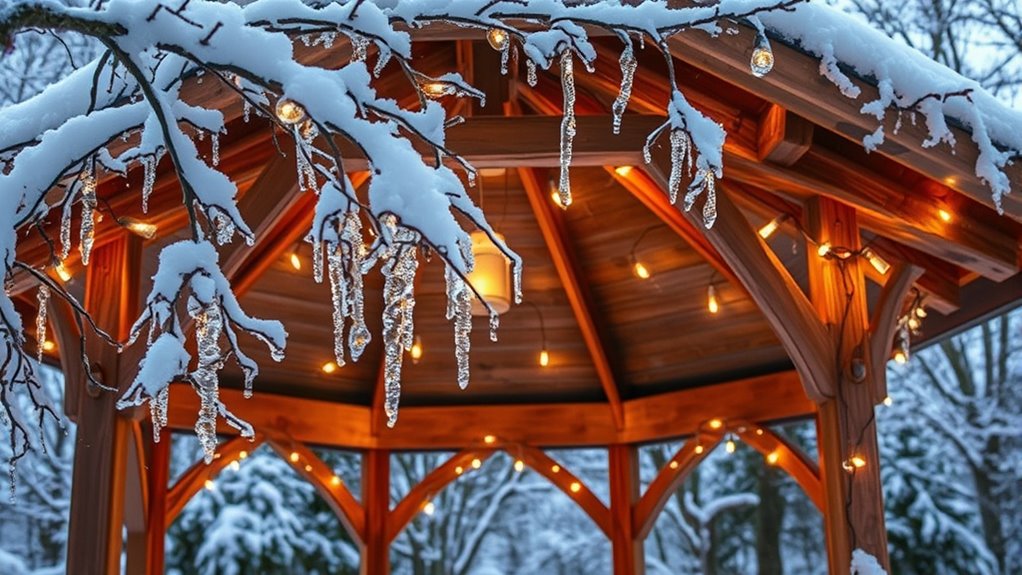
When it comes to protecting electrical systems in winter gazebos, understanding the unique risks posed by cold conditions is vital. Moisture, freezing temperatures, and wear can compromise safety and performance. It’s important to choose the right components and implement effective insulation strategies. Have you considered how your current setup measures up against these challenges? Exploring the necessary precautions can guarantee your winter gazebo remains a safe and comfortable space.
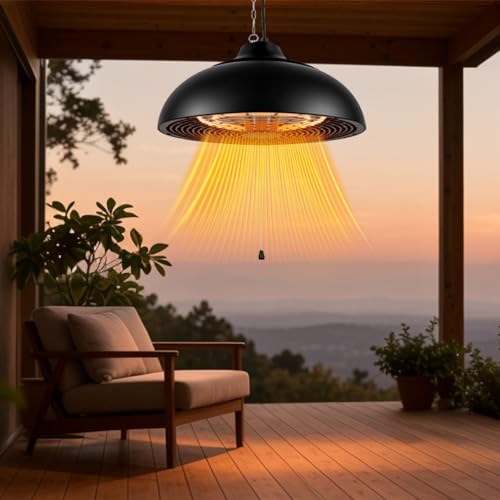



Understanding the Risks of Winter Conditions
When winter arrives, understanding the risks associated with cold weather conditions is crucial for safeguarding electrical systems in gazebos. Frozen circuits can lead to failures, compromising functionality and safety. Accumulation of snow can exert pressure on wiring and components, potentially causing damage or disruption. You must assess and mitigate these risks proactively. Regular inspections are essential; check for signs of moisture ingress or wear. Guarantee proper insulation and drainage to minimize snow-related issues. By taking these precautions, you can maintain system integrity, ensuring your gazebo remains a reliable space, even in the harshest winter conditions.
Choosing Weather-Resistant Electrical Components
To guarantee the longevity and reliability of electrical systems in winter gazebos, it’s essential to choose weather-resistant electrical components. Opt for materials that secure corrosion resistance and can withstand harsh elements. Using weatherproof materials can prevent moisture damage and enhance performance.
| Component Type | Recommended Material | Key Feature |
|---|---|---|
| Switches | Polycarbonate | UV resistance |
| Connectors | Stainless steel | Corrosion resistance |
| Wiring | PVC-coated copper | Weatherproof |
Insulating Wiring and Connections
While you may have chosen durable materials for your electrical components, insulating wiring and connections is equally essential for guaranteeing their longevity in winter gazebos. Proper wire protection prevents moisture intrusion and thermal fluctuations from compromising your electrical systems. Use high-quality insulation materials, such as heat-shrink tubing or rubberized coatings, to safeguard connections against harsh winter conditions. Ascertain all exposed wires are wrapped securely and that connectors are sealed to eliminate potential short circuits. By prioritizing connection insulation, you’re not just protecting your investment; you’re enhancing the overall safety and reliability of your gazebo’s electrical system, allowing you to enjoy it worry-free.
Installing GFCI Outlets for Safety
Given the increased risk of electrical shock in damp environments, installing Ground Fault Circuit Interrupter (GFCI) outlets is essential for the safety of your winter gazebo’s electrical system. For GFCI installation, choose locations near water sources, such as entrances and near sinks, guaranteeing ideal outlet placement. This strategic positioning minimizes exposure to moisture and enhances protection against faults. When wiring, follow local codes and verify the GFCI outlets are correctly connected to safeguard your system against overloads. Regularly test the GFCI outlets to confirm functionality, providing peace of mind while enjoying your winter gazebo, free from electrical hazards.
Properly Sealing Electrical Boxes
Making certain electrical boxes are properly sealed is crucial for preventing moisture intrusion and protecting your wiring from harsh winter conditions. Utilize effective sealing techniques such as using silicone caulk or weatherproof gaskets to create a tight barrier against the elements. Choose box materials designed for outdoor use, like PVC or metal with corrosion-resistant coatings, to enhance durability. Make sure to secure all entry points where wires enter the boxes, as these are common infiltration areas. By prioritizing these strategies, you’ll maintain system integrity and make certain the safety and functionality of your electrical systems throughout the winter months.
Utilizing Outdoor-Rated Lighting Fixtures
After sealing electrical boxes to guard against moisture, the next step in protecting your winter gazebo’s electrical system is selecting outdoor-rated lighting fixtures. These fixtures are specifically designed for outdoor lighting, ensuring they withstand harsh weather conditions and moisture. Prioritize fixture durability by opting for materials like corrosion-resistant metals or UV-stabilized plastics. Check for an appropriate IP (Ingress Protection) rating, indicating resistance to dust and water ingress. Utilizing energy-efficient LED options not only prolongs fixture life but also reduces energy consumption. Ultimately, choosing the right outdoor-rated fixtures enhances safety while allowing you to enjoy your gazebo freely, regardless of winter weather challenges.
Implementing Heating Solutions for Comfort
When considering heating solutions for your winter gazebo, it’s vital to evaluate the various types of electric heaters available and their efficiency. You’ll also need to implement effective insulation techniques to retain heat and guarantee comfort. Additionally, adhering to safety precautions is fundamental to protect both the electrical systems and the users from potential hazards.
Electric Heaters Overview
While cold temperatures can make enjoying a winter gazebo challenging, implementing electric heaters can greatly enhance comfort. Portable electric heaters are popular for their versatility and energy efficiency. Choosing the right heater involves understanding their specifications and performance.
| Heater Type | Wattage | Area Coverage (sq ft) |
|---|---|---|
| Infrared Heater | 1500W | 150 |
| Oil-Filled Radiator | 1500W | 200 |
| Ceramic Heater | 1500W | 100 |
| Convection Heater | 1500W | 175 |
Insulation Techniques Explained
To maximize the effectiveness of electric heaters in winter gazebos, implementing proper insulation techniques is essential. You need to establish effective thermal barriers while ensuring moisture control to maintain a comfortable environment. Consider these key techniques:
- Use high-quality insulation materials to reduce heat loss.
- Seal gaps and cracks to prevent cold drafts.
- Install insulated windows to enhance thermal efficiency.
- Incorporate vapor barriers to manage humidity and prevent mold.
Safety Precautions Required
Effective insulation techniques create a comfortable environment in winter gazebos, but they also necessitate careful attention to safety precautions when implementing heating solutions. First, verify circuit protection is in place to prevent overloads and potential fires. Use GFCI outlets to mitigate electrical hazards, especially in damp environments. Regularly inspect heating units and electrical connections for wear and tear. Be proactive about emergency preparedness—keep a fire extinguisher accessible and establish an evacuation plan. Finally, regularly test smoke alarms and carbon monoxide detectors to enhance safety. Prioritizing these measures will allow you to enjoy your winter gazebo without compromising safety.
Regular Maintenance and Inspections
Regular maintenance and inspections of electrical systems in winter gazebos are essential for ensuring safety and peak performance. Consistently implementing preventive measures can prevent costly damages and hazards. Use an inspection checklist to guide your evaluations, focusing on:
Regular inspections of electrical systems in winter gazebos are vital for safety and optimal performance. Implement preventive measures to avoid hazards.
- Inspecting wiring for wear or damage
- Testing all outlets and switches for functionality
- Checking for moisture and corrosion in connections
- Ensuring circuit breakers operate effectively
Preparing for Power Outages and Emergencies
While winter brings the beauty of a serene gazebo landscape, it can also lead to power outages and emergencies that disrupt your enjoyment and safety. To guarantee you’re ready, focus on emergency preparedness. Stock up on essential supplies like flashlights, batteries, and a portable phone charger. Consider investing in a generator for reliable power restoration, especially during severe weather. Regularly test your backup systems and verify they comply with safety regulations. Establish a communication plan with family members to stay informed. By taking these proactive steps, you’ll not only protect your gazebo’s electrical systems but also enjoy peace of mind during winter storms.
Frequently Asked Questions
Can I Use Indoor Electrical Equipment in My Winter Gazebo?
You shouldn’t use indoor electrical equipment for winter usage in your gazebo. Indoor devices aren’t designed for cold conditions, risking malfunction or hazards. Always opt for outdoor-rated equipment to guarantee safety and reliability during winter months.
How Do I Safely Store Electrical Equipment During Winter?
To safely store electrical equipment during winter, use proper packaging to prevent moisture damage and guarantee climate control in storage areas. This method protects your devices, maintaining their functionality and extending their lifespan for future use.
What Should I Do if Electrical Components Freeze?
If you find frozen wires, carefully apply thawing techniques like gentle heat from a hairdryer, avoiding direct contact. Ascertain the power’s off to prevent damage or hazards, then inspect components before restoring power.
Are There Specific Brands Recommended for Winter Gazebo Wiring?
Ever wonder which brands guarantee your electrical safety in winter? Look for trusted names like Leviton or Lutron; brand comparisons reveal their reliability. Always prioritize quality wiring solutions to safeguard your gazebo’s electrical components effectively.
How Often Should I Replace Electrical Components in My Gazebo?
You should replace electrical components in your gazebo every 5-10 years, depending on usage and environmental factors. Regular electrical maintenance enhances component longevity, ensuring safety and functionality while allowing you the freedom to enjoy your space.